

Leon Claxton’s Afro-Cuban Revue
Leon Claxton’s “Harlem in Havana” was a groundbreaking traveling revue that showcased Black and Cuban performers during the segregation era. It was part of the Royal American Shows, a popular traveling carnival, and became one of the most successful and influential shows of its kind. The revue featured a mix of music, dance, comedy, and burlesque, captivating audiences across the United States and Canada for several decades.

(The Leader Post. “New Rides Win Favor on Fair’s Midway.” Page 3. July 19, 1966) Caption reads, “Drummer Zambo Moore Sparks Midway’s Harlem Revue.”

(Harlem in Havana Revue. Photo Courtesy of The Harlem in Havana Project)
Leon Claxton | 1902-1967
Leon Claxton was a trailblazing African American showman and producer, who became a millionaire during the Jim Crow era. Born in Memphis, Tennessee, in 1902, Claxton began his career in entertainment as a water boy for the Ringling Bros. and Barnum & Bailey Circus. He later performed as a contortionist and worked in vaudeville shows during the 1920s.
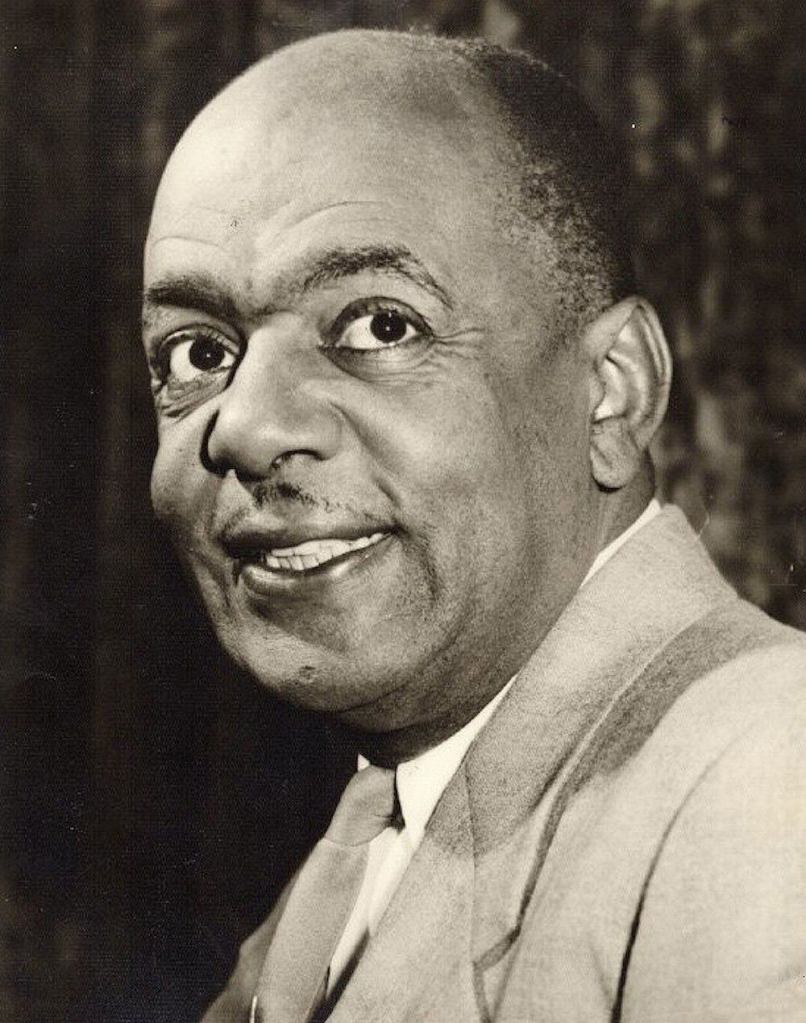
By the 1930s, Claxton transitioned into producing shows, focusing on African American entertainers. His “Harlem in Havana” revue became a centerpiece of the Royal American Shows.
Claxton was also a savvy businessman. He built the Claxton Manor hotel in Tampa, Florida, one of the few establishments catering to African American performers and travelers in the segregated South. His contributions to the entertainment industry and his community earned him recognition, including Tampa’s Citizen of the Year Award in 1959.
Leon Claxton passed away on November 14, 1967, in Tampa, Florida. His legacy as a trailblazing showman and cultural pioneer continues to inspire and resonate today.
The Royal American Shows
The Harlem Revue’s show tent could easily hold 1,500 patrons. Claxton emceed his own shows and was known to change his attire up to 8 times in one show.

(Omaha World Herald. “Carnival Tycoon from Nebraska.” John Kobler. Condensed from Cosmopolitan November Magazine. Page 90. November 22, 1953) Caption reads, “Girlie shows are out front… This is ‘Harlem in Havana.’

(The Tampa Tribune. Page 20. February 8, 2015.) Caption reads, “Leon Claxton’s Harlem in Havana was one of the top touring African-American acts at state fairs in the early through mid-1900s.”
The Performers
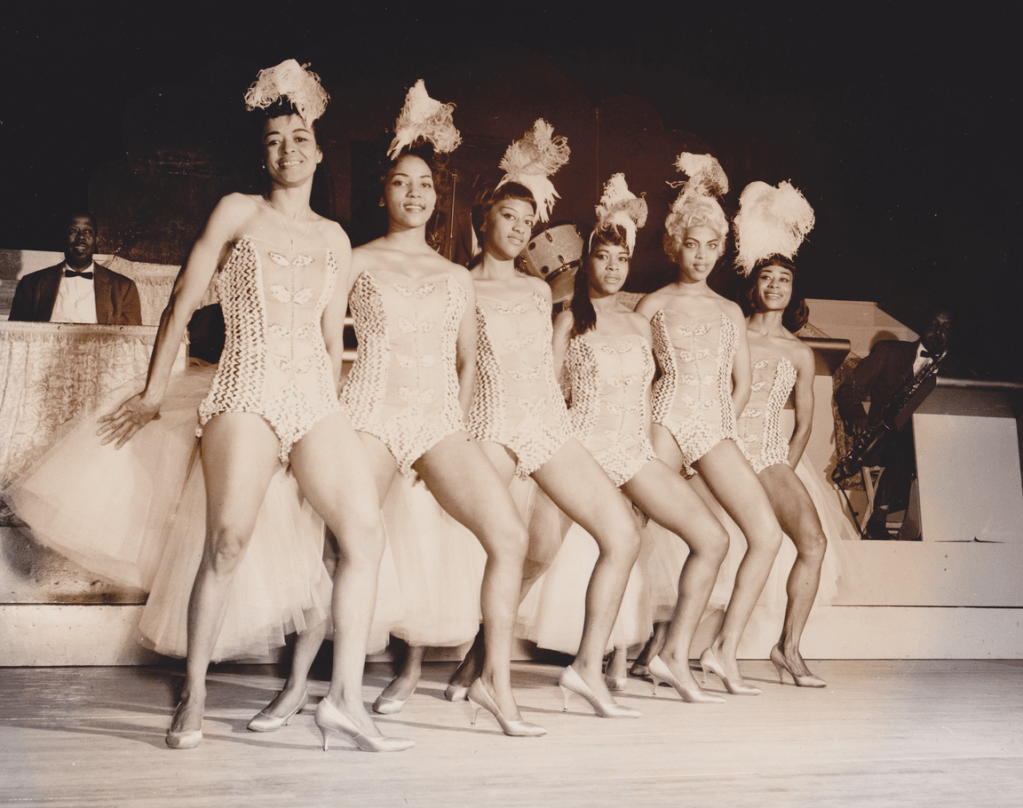

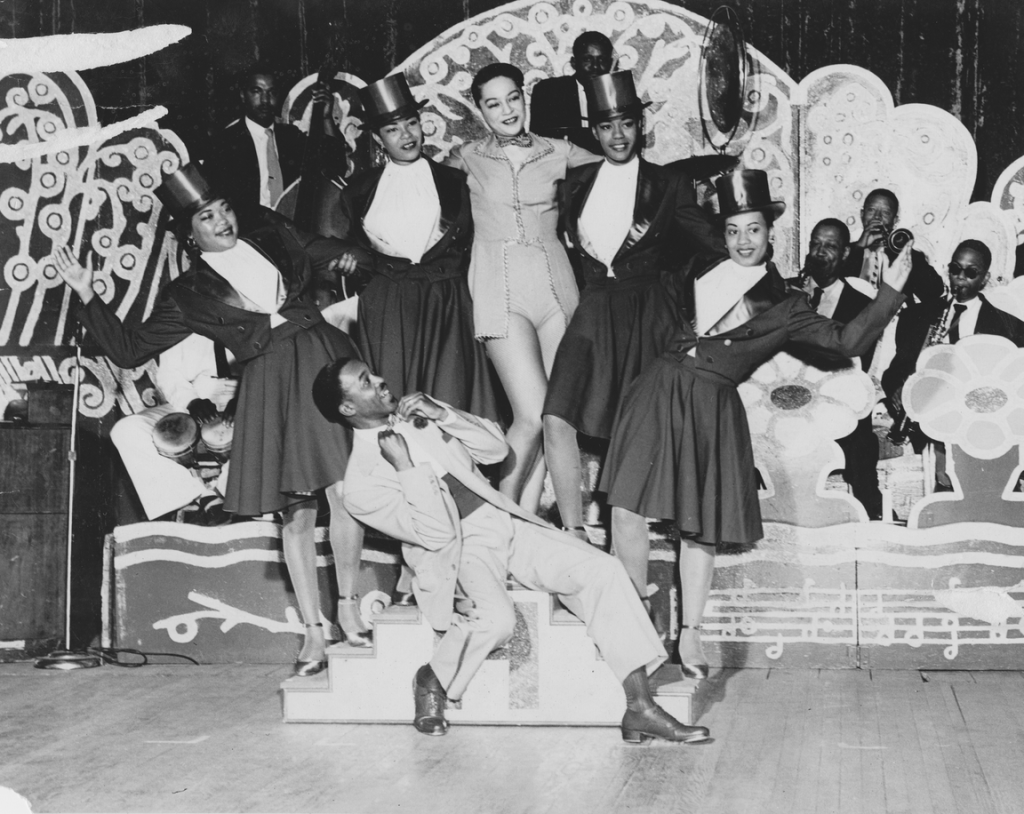
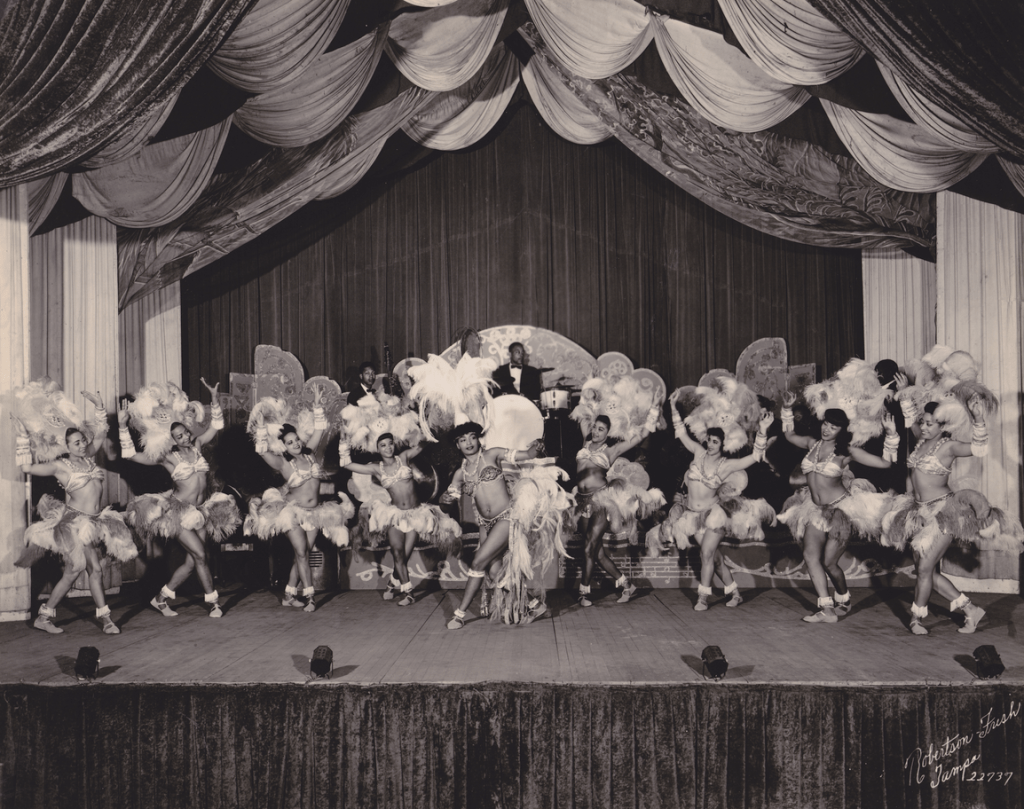


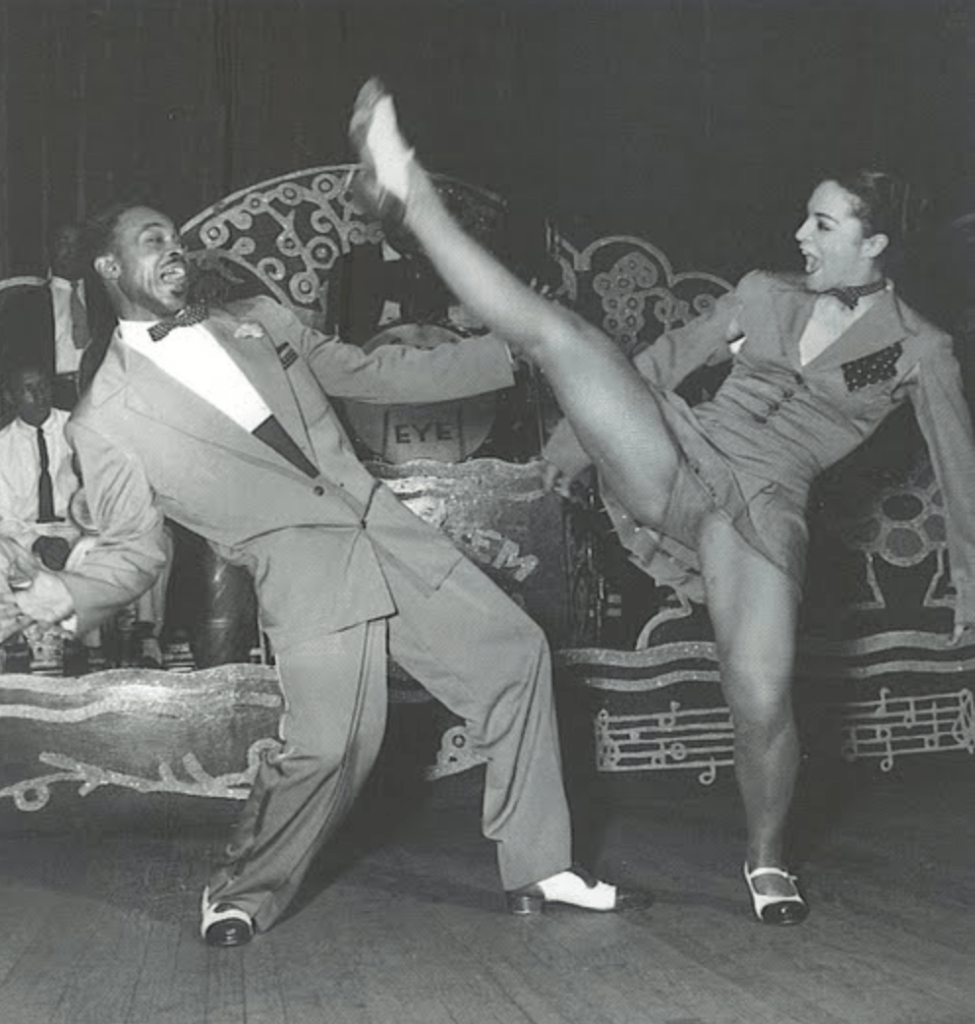

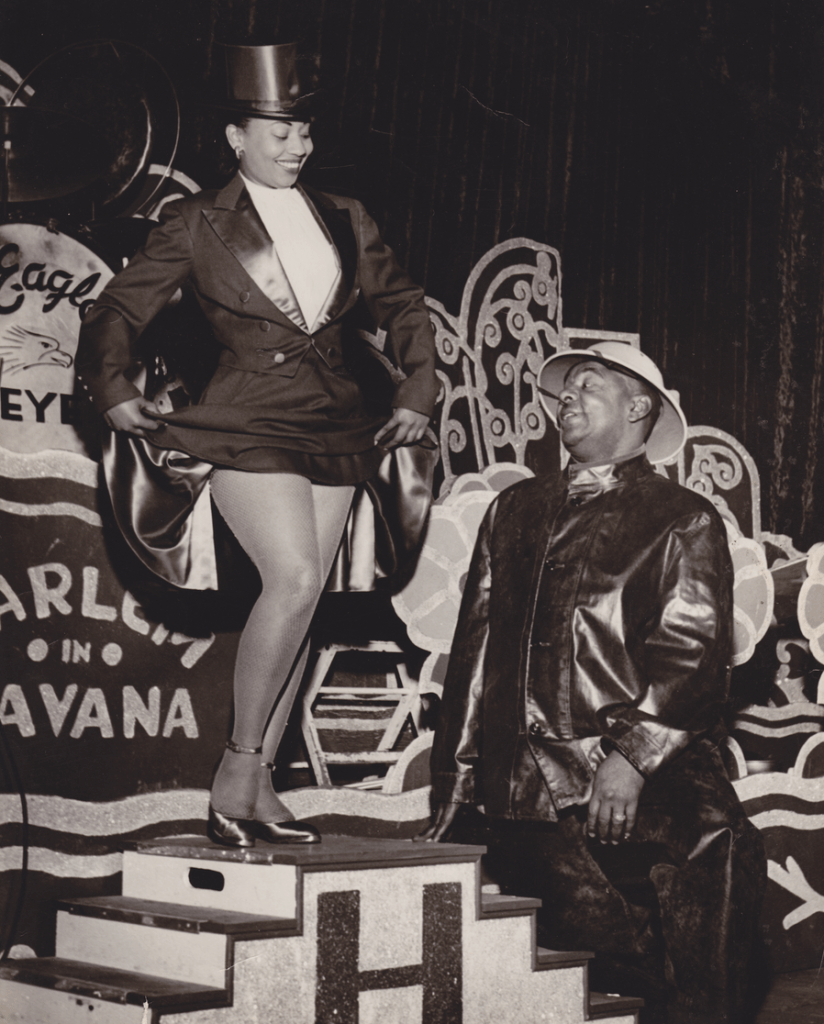
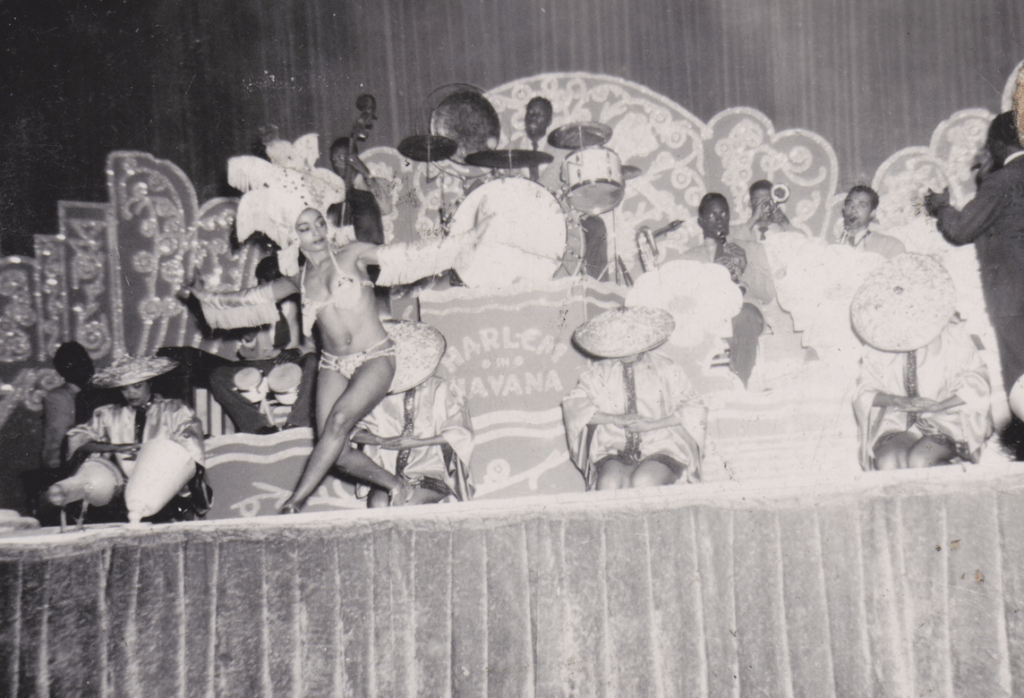

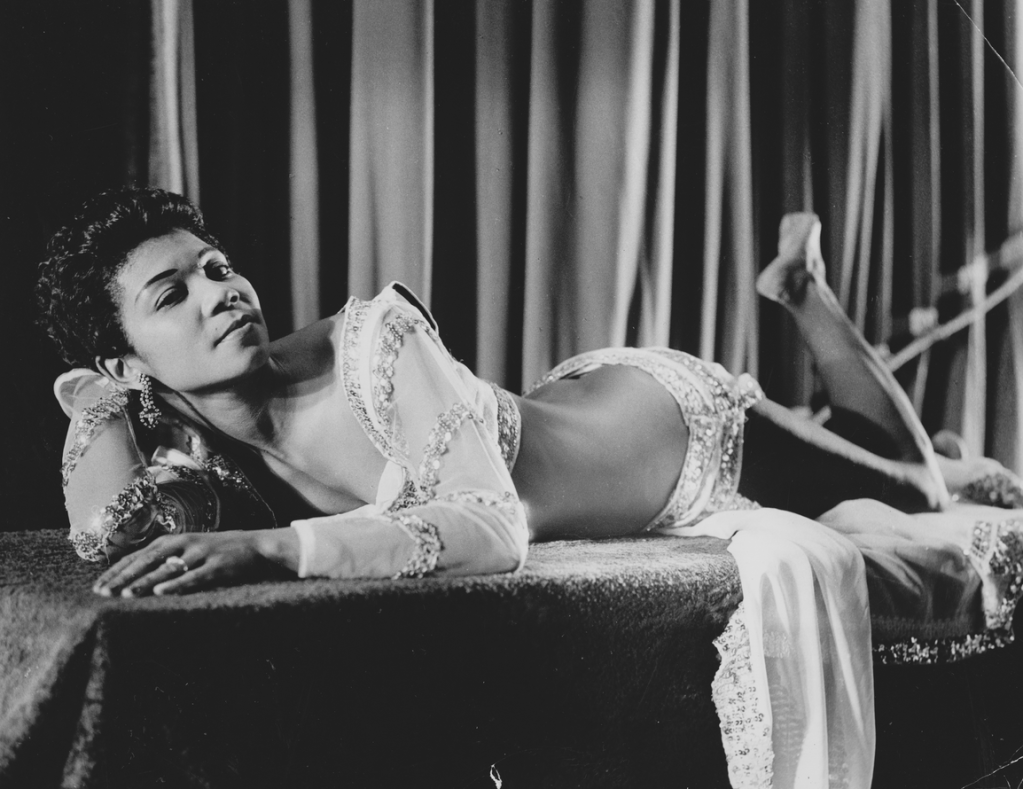

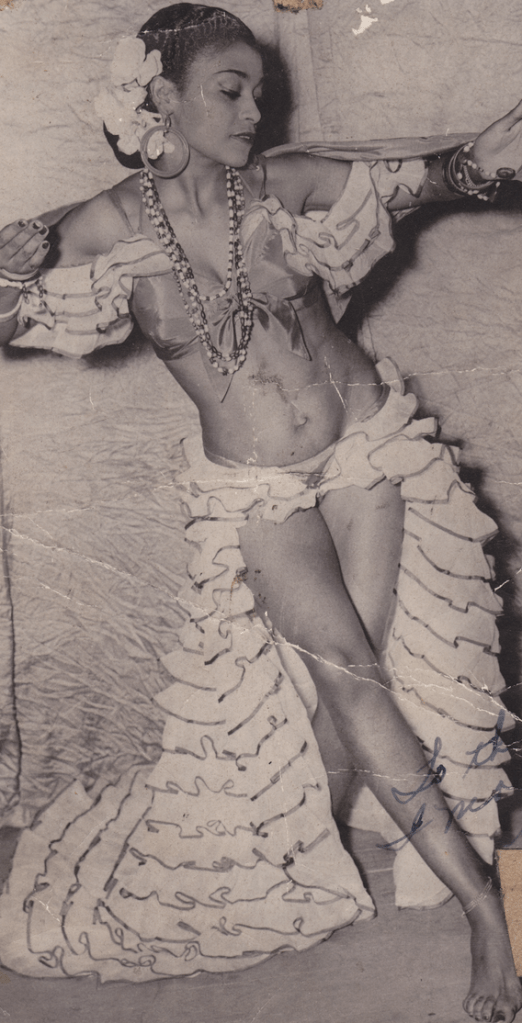


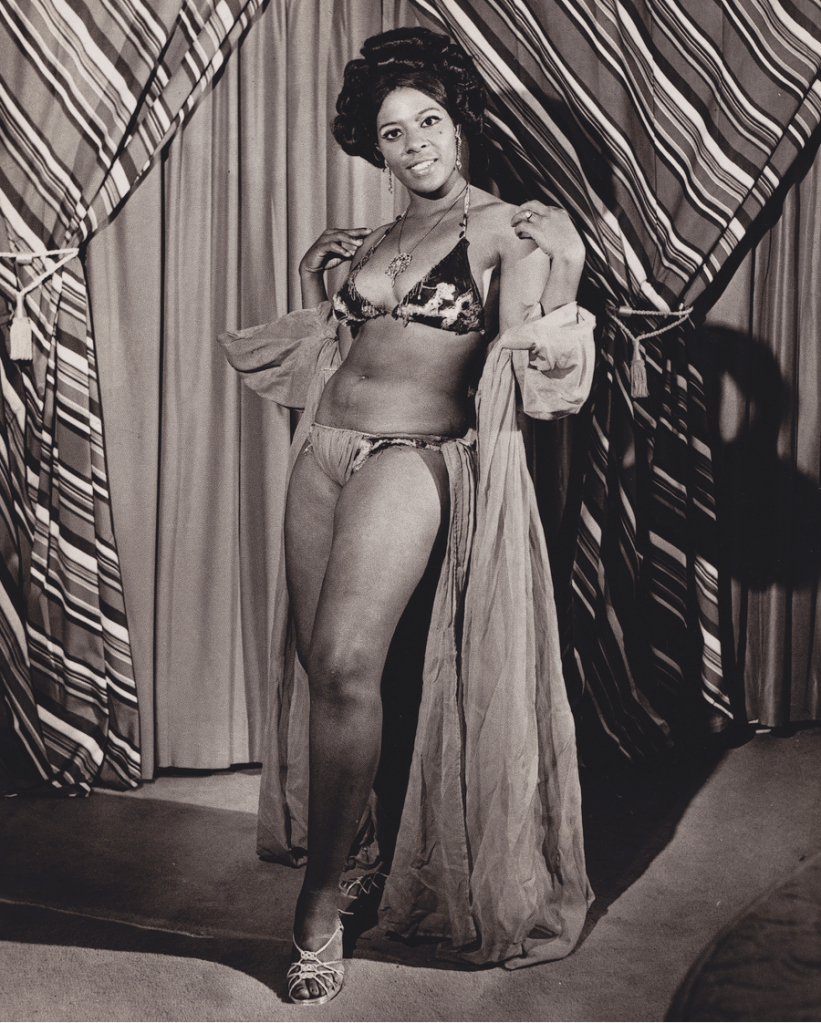


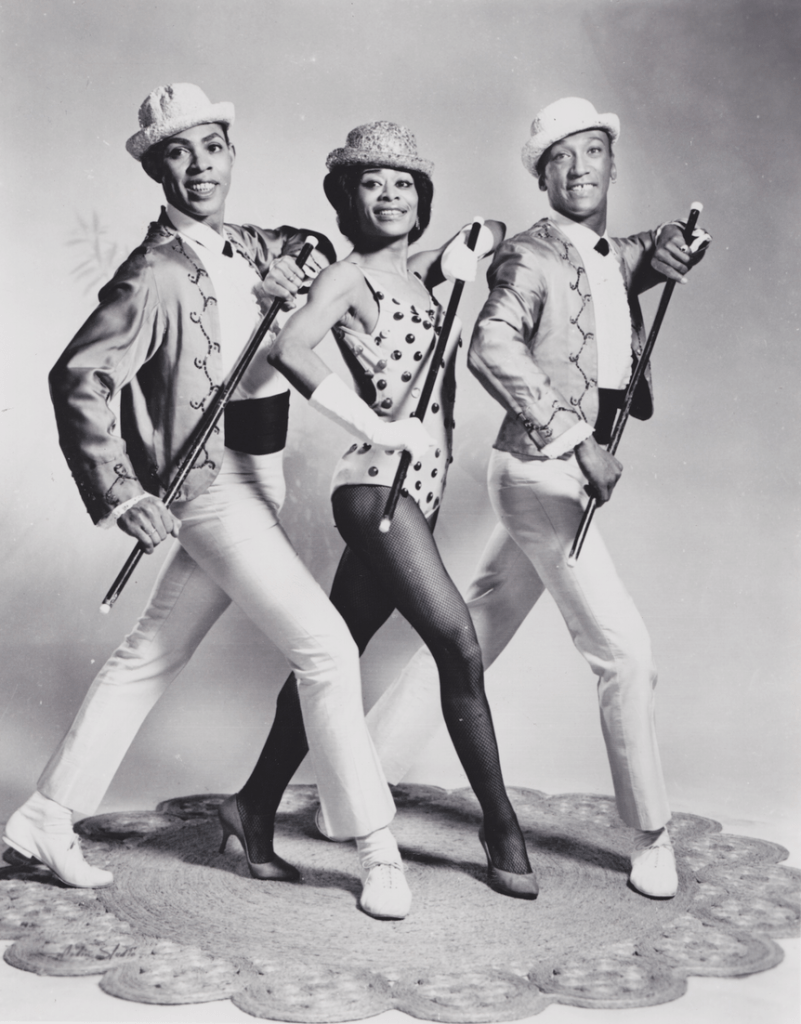

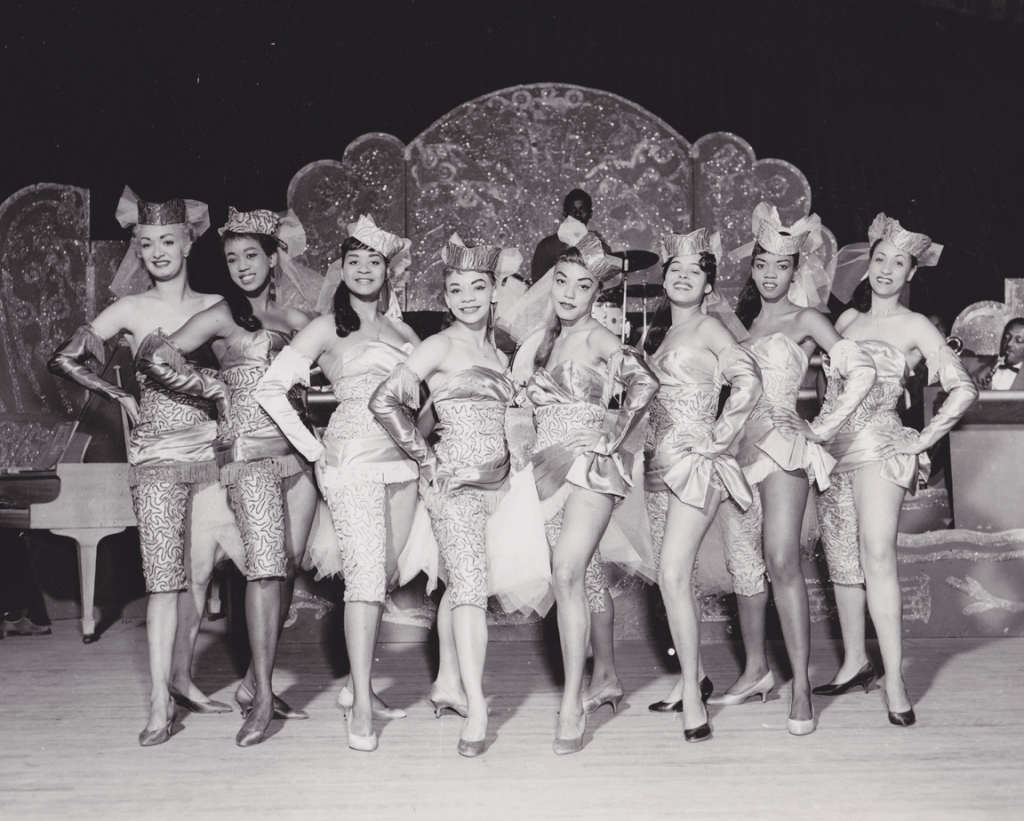
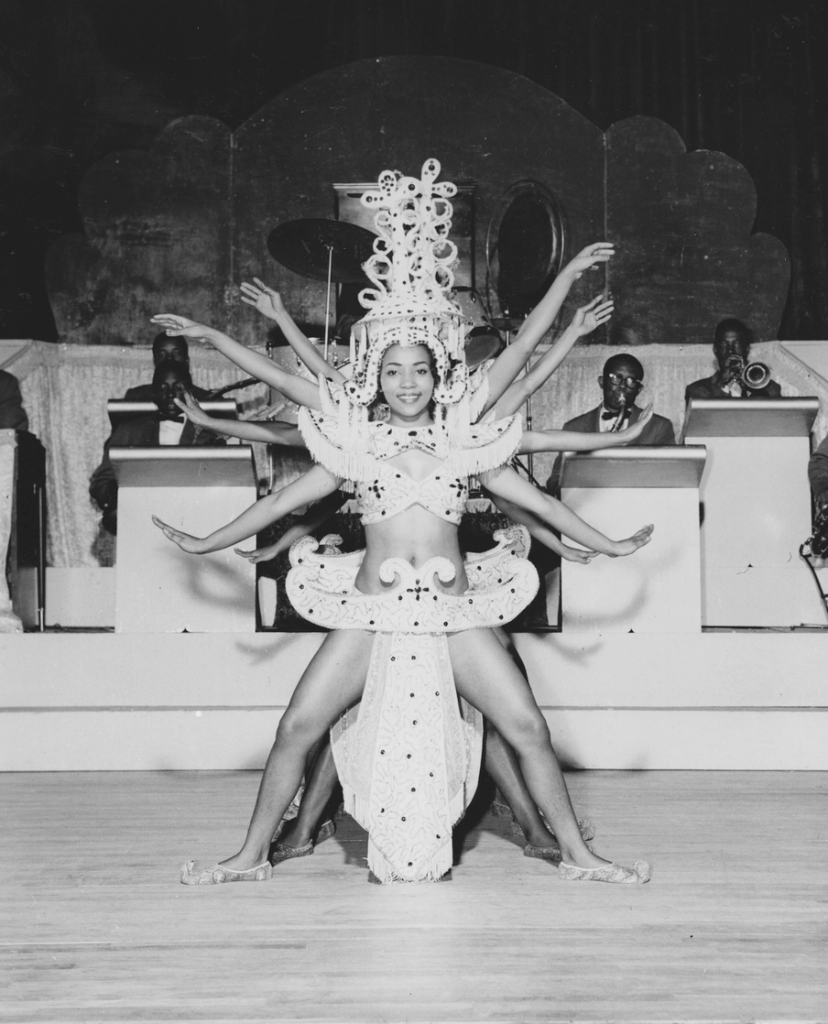

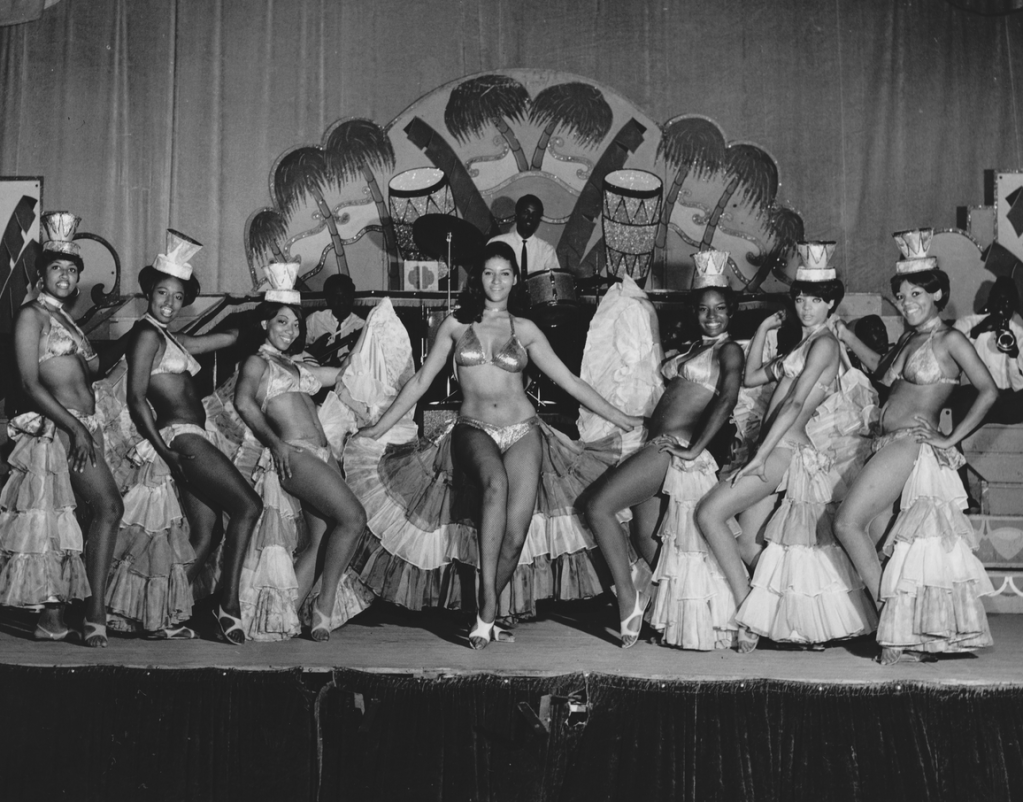

Photos Courtesy of The Harlem in Havana Project
The dancers of Leon Claxton’s “Harlem in Havana” were a vibrant and integral part of the revue, showcasing a mix of Black and Cuban artistry. They performed a variety of styles, including jazz, burlesque, and traditional Afro-Cuban dances, captivating audiences with their talent and charisma. The revue was known for its glamorous showgirls, intricate choreography, and cultural fusion, which made it a standout attraction during its time.

(Star Phoenix. Page 35. July 19, 1961) Caption states, “Seen here are three of the charming colored dancing stars of Leon Claxton’s Harlem Revue, always popular in Saskatoon, and a midway top attraction.”
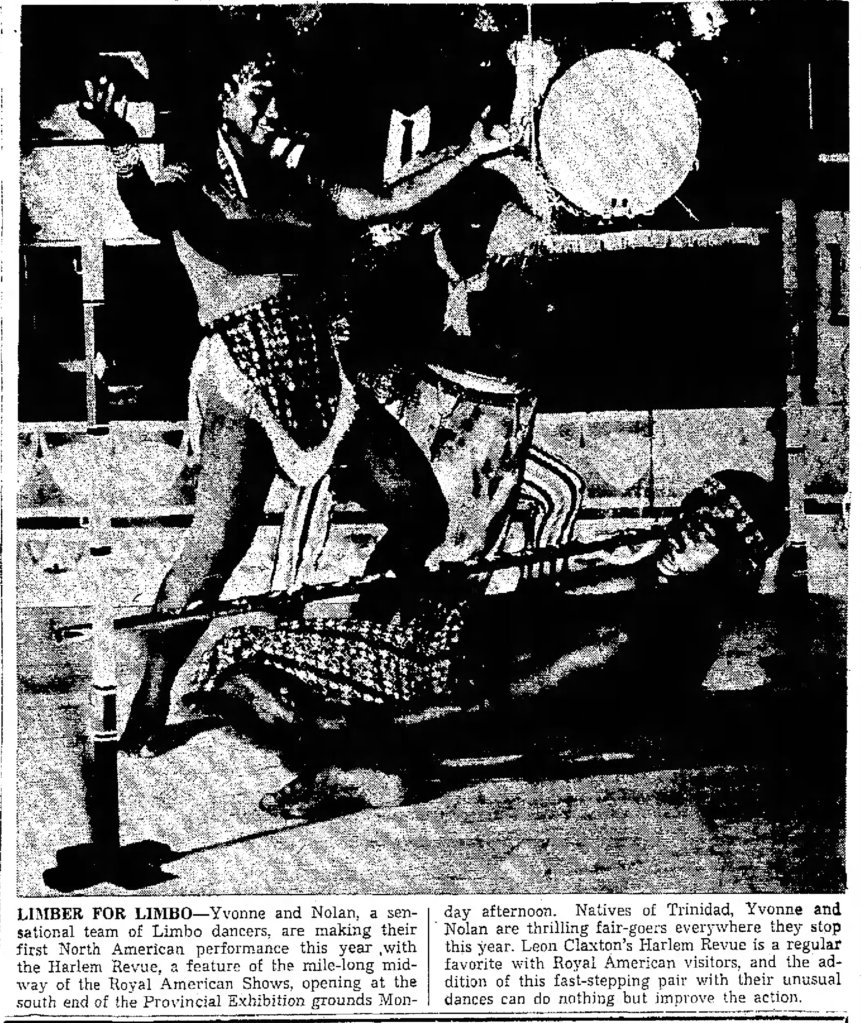
(The Brandon Sun. “Limber for Limbo.” Page 14. June 29, 1962)
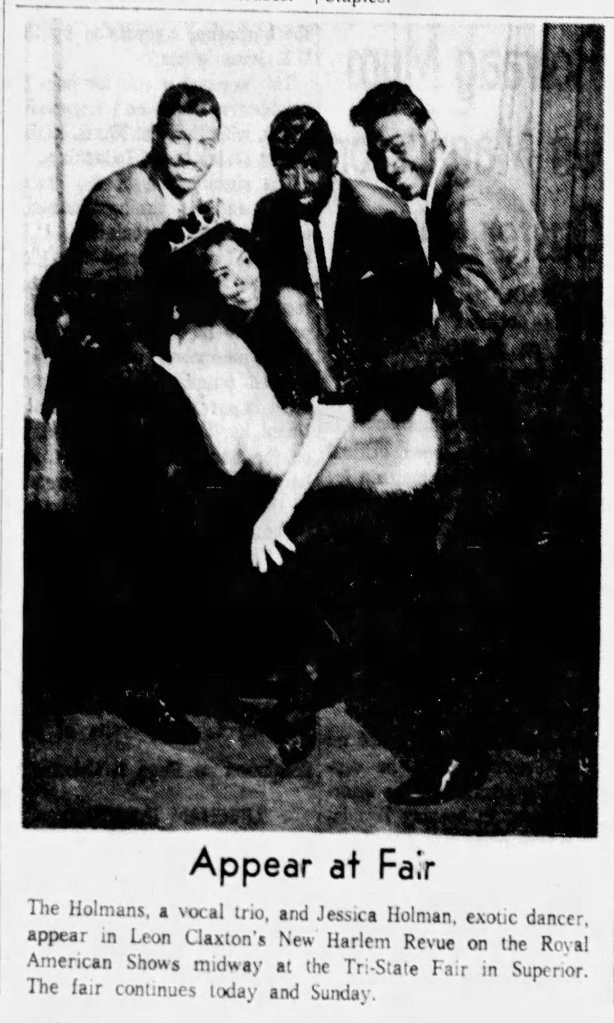
(The Duluth News Tribune. “Appear at Fair.” Page 2. August 7, 1965) Caption reads, “The Holmans, a vocal trio, and Jessica Holman, exotic dancer, appear in Leon Claxton’s New Harlem Revue on the Royal American Shows midway at the Tri-State Fair in Superior. The fair continues today and Sunday.”
Harlem in Havana in Nebraska
The Royal American Shows stopped in Omaha, Nebraska on several occasions. Most notably, in 1946 and 1947.

(The Omaha Star. Advertisement for “Harlem in Havana.” Page 6. June 14, 1946)

(Omaha World Herald. Advertisement. Page 15. May 22, 1947)
Mississippi State Fair Attack | 1966
On October 15, 1966 the Harlem Revue was performing at the Mississippi State Fair in Jackson, when someone tossed a tear gas canister into the show tent. Gas soon filled the tent and led to seven people being hospitalized and the Fair to be shut down.
The Harlem Revue | Cultural Impact
Leon Claxton’s “Harlem in Havana” ran for 32 years and had a profound cultural impact, particularly during the segregation era. The show provided a platform for Black and Cuban performers to showcase their talents, breaking racial barriers in the entertainment industry. The revue celebrated cultural diversity, blending Afro-Cuban and African American artistry, which resonated with audiences across North America
The show also played a role in challenging stereotypes and promoting a more inclusive view of Black and Latin cultures. It inspired future generations of performers and contributed to the broader civil rights movement by highlighting the value of cultural expression and representation.
Learn more by visiting the Harlem in Havana Project here.
Sources
Photo Courtesy of The Harlem in Havana Project.
- Cunningham, Leslie. “Brown Skin Show Girls; The Cuban Edition”. Published by TRIBES Entertainment. 2018
- https://harleminhavana.com/film/
- The Harlem in Havana Project; https://www.jigshow.com/
- https://southerndocumentaryfund.org/jig-show-leon-claxtons-harlem-in-havana/
- https://en.wikipedia.org/wiki/Leon_Claxton
- Omaha World Herald. “Carnival Tycoon from Nebraska.” John Kobler. Condensed from Cosmopolitan November Magazine. Page 90. November 22, 1953
- The Omaha Star. Advertisement for “Harlem in Havana.” Page 6. June 14, 1946
- Omaha World Herald. Advertisement for Royal American Shows. Page 15. May 22, 1947
- The Tampa Tribune. “Show.” Page 1, 20. February 8, 2015
- St. Paul Recorder. “Minnesota State Fair Midway Features Negro Owned Show, Billed as ‘Harlem in Havana.” Page 1. August 27, 1948


Leave a comment