

From the early 1910s to the dynamic 2000s, the evolution of burlesque in small-town Kearney, Nebraska, mirrored broader cultural shifts while retaining its own unique charm. In the early 20th century, burlesque often featured vaudeville-inspired comedy and suggestive dances, finding a home in community theaters and traveling shows.
As the decades rolled on, performances adapted to societal changes, evolving from snake dances to bold stripteasing in mid-century venues, and finally embracing the go-go dance craze of the 1960s and beyond. Kearney’s small-town character added a distinctive flavor to these performances, blending the allure of burlesque with the warmth and intimacy of a close-knit community, creating an enduring legacy in Nebraska’s cultural tapestry.

The Crescent Theatre | 1911

Lady Carmen was an Egyptian Snake dancer who performed at the Crescent Theatre in Kearney on May 1, 1911. Oriental dancing in Nebraska around 1900 was likely influenced by the broader cultural fascination with orientalism and exoticism during the early 20th century. This period saw a rise in interest in dances inspired by Middle Eastern and Asian traditions, often performed as part of vaudeville shows or burlesque exhibitions.
Kearney Opera House | 1920

On Monday October 4, 1920, a traveling show called The Novelties of 1920 performed at the Kearney Opera House. It starred Max Bloom and a large chorus of beautiful girls. Traveling burlesque shows in the 1920s were a vibrant part of American entertainment, blending comedy, music, and risqué performances. These shows often toured across cities and towns, bringing a mix of vaudeville-style acts and striptease elements to audiences. By the late 1920s, burlesque had evolved to emphasize the striptease, which led to increased regulation and controversy. The performances were known for their humor and satire, often parodying serious works or societal norms.
The traveling nature of these shows allowed them to reach diverse audiences, including smaller towns that might not have had access to other forms of theatrical entertainment. They were a reflection of the era’s changing attitudes toward sexuality and humor, making them both popular and provocative.
The World Theatre | 1930s
In the 1920s, many theaters combined live stage shows with motion picture screenings, creating a unique entertainment experience. These venues, often referred to as “movie palaces,” featured elaborate architecture and luxurious interiors to attract audiences. The stage shows typically included vaudeville acts, musical performances, or even short plays, serving as a prelude to the main event—the motion picture.
This blend of live and cinematic entertainment was particularly popular during the transition from silent films to “talkies” (films with synchronized sound). Theaters used these stage shows to maintain audience interest and provide a full evening of entertainment. It was a golden era for both live performances and the burgeoning film industry, as they coexisted and complemented each other beautifully.
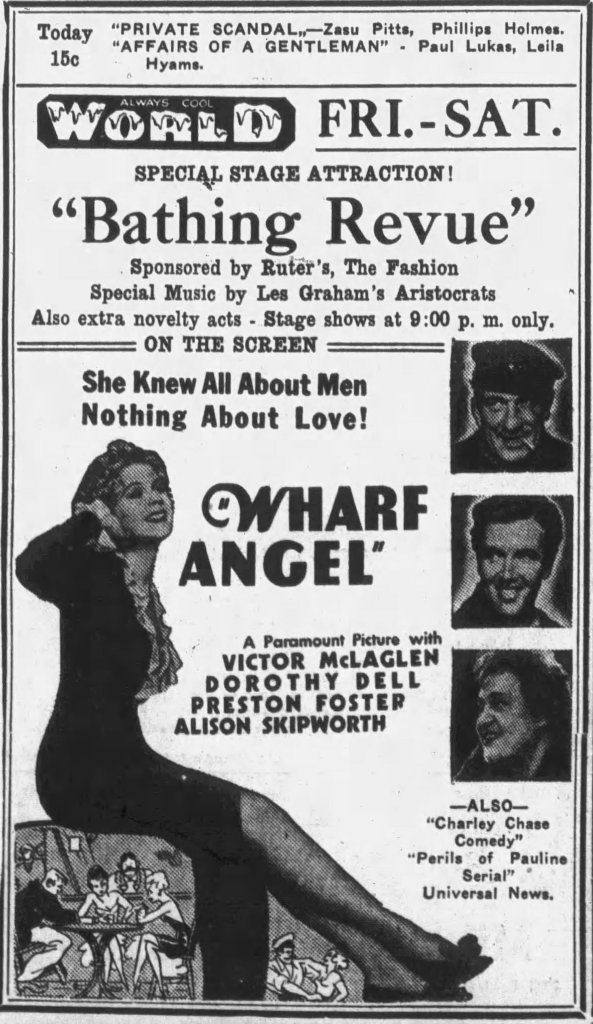
In June 1934, a burlesque stage show called Bathing Revue performed at the World Theatre in Kearney. On the screen the movie “Wharf Angel” was shown.
The Fort Theatre | 1940s
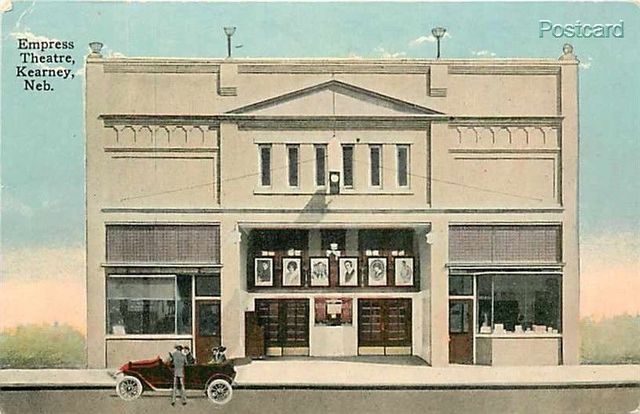
Yes, “The Fort” in Kearney, Nebraska, was indeed a theater! Originally built in 1914 as the Empress Theatre, it was designed in the Classical Revival style. After a fire in 1940, it was rebuilt and renamed the Fort Theatre, featuring a Moderne architectural design. The theater reopened on August 1, 1940, with the film It’s a Date starring Deanna Durbin.
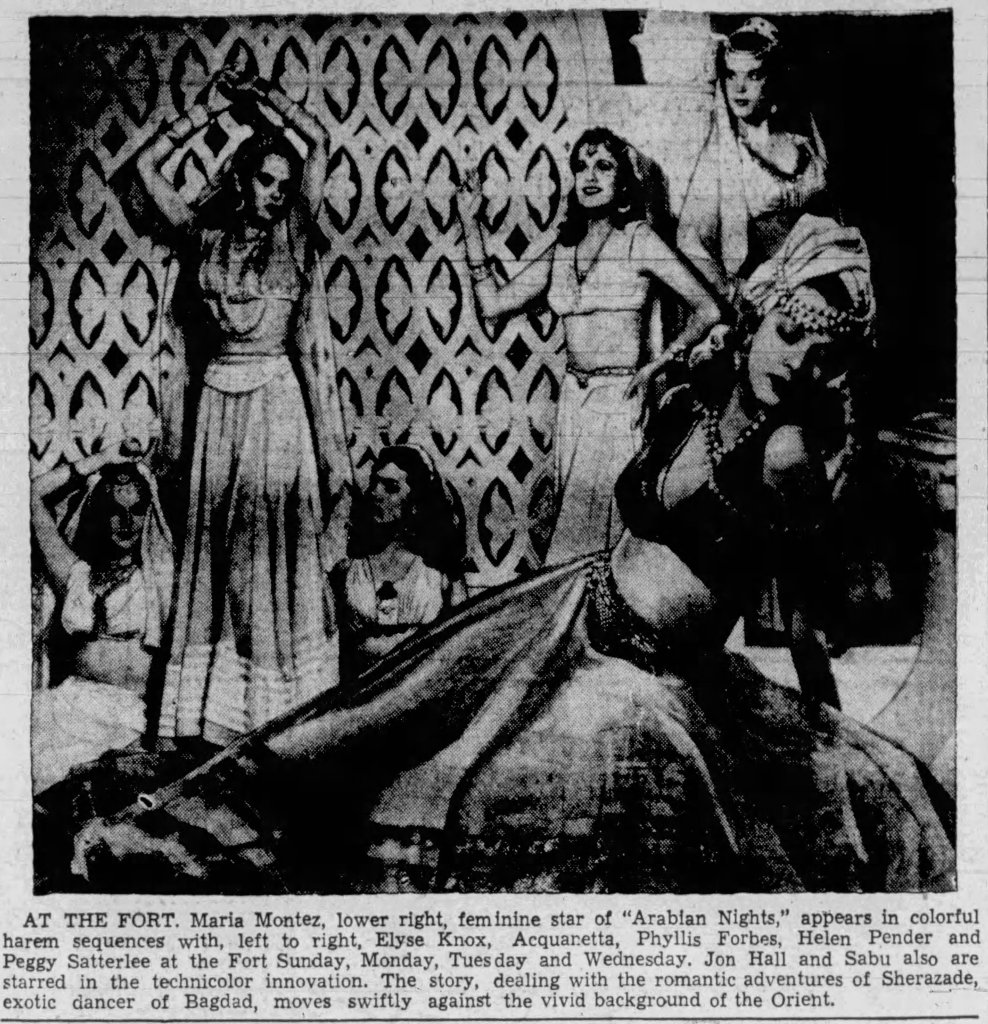
The Fort Theatre became a beloved local venue, offering a mix of films and live entertainment. It operated until 1993 and has since been repurposed, but its historical significance remains cherished in the community. In February 1943, the Fort showed the motion picture Arabian Nights, which followed the adventures of Scheherazade, an exotic dancer from Baghdad.
The Backlot | 1972-2000s
The Backlot was a lounge that featured exotic dancers from 1970 to the early 2000s. The Backlot opened in Kearney in 1972.

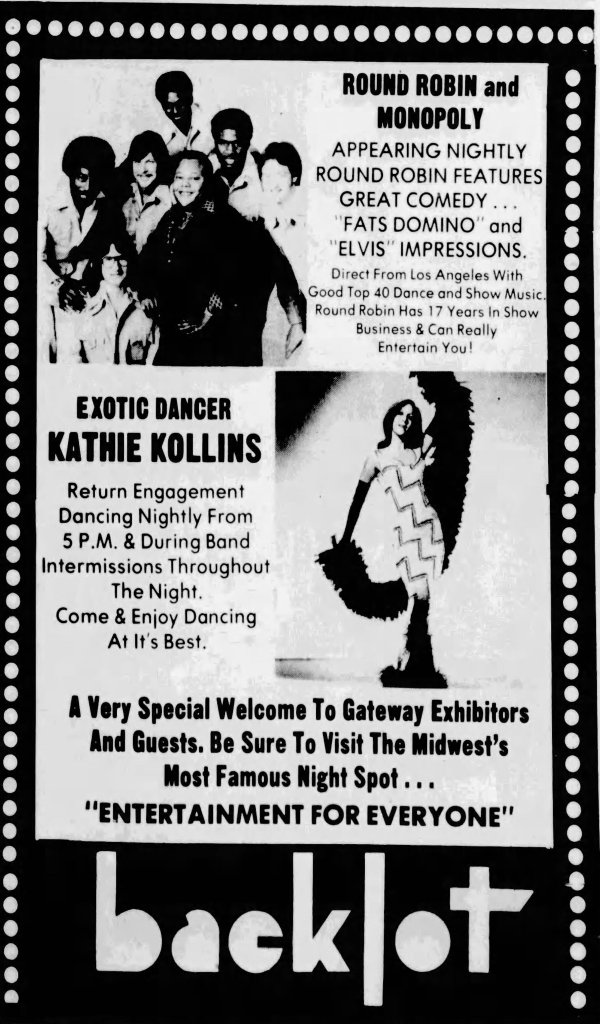
The Dancers at the Backlot:
- Candy Apple performed in December 1974
- Sherri performed in November 1974
- Fancy Pants performed in October 1974
- Christina, “The Bronze Goddess,” performed in September 1974
- Kathie Kollins performed in May 1976
The Fireside Inn | 21st St. & Ave A

In April 1976, Carmen Holiday performed her Strip-O-Drama “The Strip that Takes You on a Trip.” The show also featured Rusty Nail.
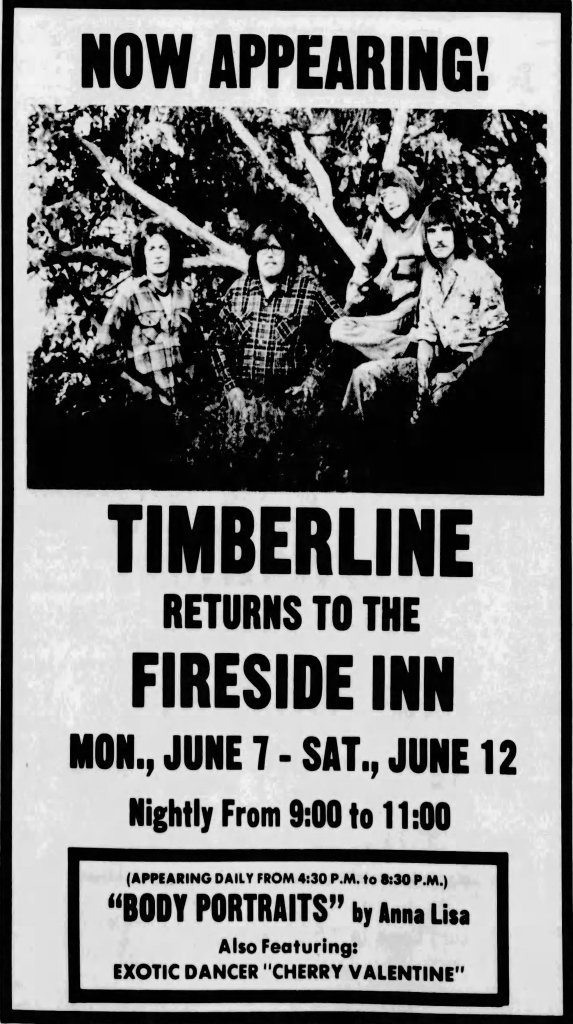
In June 1976, Anna Lisa performed her Body Portraits act. An exotic dancer named Cherry Valentine was also featured. The Fireside Inn continued to have exotic dancers perform until it closed due to a fire in 1993.
S-Y Acorn Lounge | 1980s
Exotic go-go dancers graced the stage of the S-Y Acorn Lounge. In May 1986, an exotic dancer named Caryn Ingoglia, 28, was found guilty of manslaughter after she shot, Delmer Sinner, 50, a man sitting in his car outside the Lounge. Ingoglia testified she didn’t mean to shoot Sinner, but had wanted to intimidate him to get off of the property. She stated the gun accidentally discharged. The jury debated for less than 2 hours before finding her guilty.
Copperfield’s | 2000s
The bar called Copperfield’s added exotic dancers to their entertainment in March 2000. The club featured dancers from 4-9pm on Mondays, Tuesdays, and Wednesdays. Copperfield’s did have a license to serve liquor, which allowed the City to regulate the type of entertainment at the club.
The City’s code allowed for ‘live performance, contest or entertainment featuring the showing of the human female breast only between 4 and 9pm, under the condition that no person younger than 21 be admitted during such performances. Establishments showing what the code defines as ‘nudity’–showing of the male or female genitals or pubic area–are subject to loss or suspension of their liquor licenses.”
The Roman | 2000s
The Roman was a bar and Italian restaurant in downtown Kearney at 2004 Central Ave. The Roman was open for almost 10 years and featured a large martini menu. It was owned and operated by Tom Sheldon and his son Will. In August 2009, The Roman hosted a burlesque show featuring fire breathers, a sword swallower, burlesque dancers, and a comedic master of ceremonies.
Jammers Roadhouse | 2009
Jammers Roadhouse was owned by Tom and Will Sheldon. A month after opening Jammers, began advertising not just exotic dancers, but topless dancers as well. New customers arrived every night and business instantly started to pick up.
Burlesque in Kearney
Burlesque in Kearney offers a fascinating glimpse into the interplay between entertainment and small-town culture, illustrating how this art form flourished even in less-expected places. By blending vaudeville, comedy, and provocative performance, it brought excitement, rebellion, and a touch of glamour to local audiences. Its influence lingers in the stories and venues that remain, serving as a reminder of how traveling shows and daring performers shaped the cultural landscape of Nebraska. In tracing these histories, one unravels the bold spirit of communities that embraced both tradition and innovation in their nightlife and entertainment.
Sources
- https://showmensmuseum.org/history-traveling-shows-america/
- https://cinematreasures.org/theaters/9709/photos/243769
- https://historyharvest.unl.edu/items/show/989
Newspapers
- Kearney Hub. “Second club adds exotic dancer acts.” Deb Nielsen. March 22, 2000
- Kearney Daily Hub. Ad for Miss Holly Wood at the Backlot. December 2, 1974
- Kearney Daily Hub. Ad for Muffin and Candy Apple the Backlot. December 9, 1974
- Kearney Daily Hub. Ad for Sherri and Maze at the Backlot. November 11, 1974
- Kearney Daily Hub. Ad for Fancy Pants at the Backlot. October 7, 1974
- Kearney Daily Hub. Ad for Christina The Bronze Goddess at the Backlot. September 20, 1974
- Kearney Daily Hub. Ad for Kathie Kollins at the Backlot. May 12, 1976
- Kearney Daily Hub. “Lady of Carmen.” Page 2. May 1, 1911
- Kearney Daily Hub. “Fireside license transfer OK’d; Opposition fails to sway Kearney council.” Janis Lovitt-Psota. Pages 1A, 8A. September 15, 1993
- Omaha World Herald. “‘The Day of the Hick Farmer is Gone’ So Outstate Nebraska Goes Go-Go.” Don Pieper. Page 57. October 20, 1971
- Kearney Daily Hub. Ad for Carmen Holiday at the Fireside Inn. April 3, 1976
- Kearney Daily Hub. Ad for Anna Lisa at the Fireside Inn. June 5, 1976
- Kearney Hub. “So long, Roman. Hello, Road House; Hiring exotic dancers at Jammers may have broken ‘curse’ on Sheldons’ business.” Kevin Hervert. October 8, 2009
- Kearney Daily Hub. Ad for The Novelties of 1920 at the Kearney Opera House. September 28, 1920
- Beatrice Daily Sun. “Former exotic dancer guilty in manslaughter.” May 31, 1986
- Kearney Daily Hub. “At the Fort.” February 20, 1943
- Kearney Daily Hub. Ad for Bathing Revue at the World Theatre. Page 3. June 14, 1934

Leave a comment