

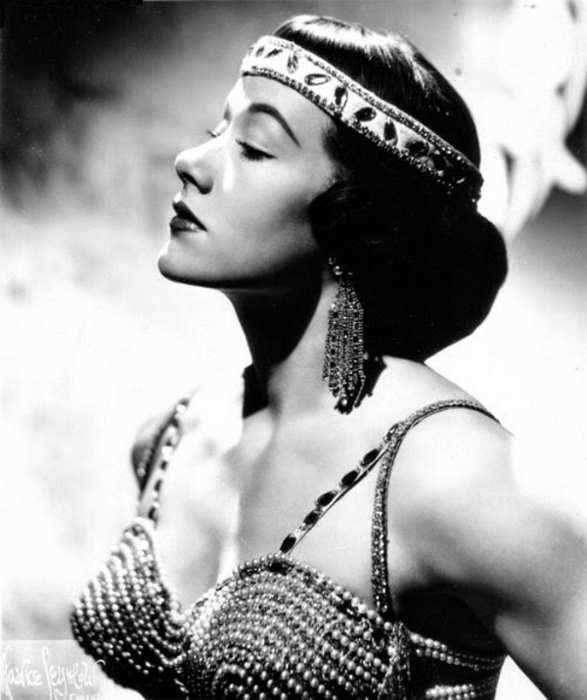
The world of circus is built on spectacle—graceful acrobats defying gravity, fearless performers taming wild beasts, and daring equestrians commanding the ring with effortless precision. Among these legends stands Struppi Hanneford, better known to audiences as Princess Tajana, a woman whose career embodied adaptability, passion, and a relentless pursuit of excellence. Her story is one of reinvention, resilience, and an unwavering love for the circus arts.
A Gymnast Turned Trapeze Sensation

Born Gertrude “Struppi” Zimmerman on September 26, 1931, in Speyer, Germany, Struppi did not grow up under the big top. Her father ran a bakery, and her mother cared for their home, but young Struppi showed an early interest in gymnastics. By the time she was 7, she trained under Trude Johann, a retired aerialist who not only taught her the mechanics of flight but also gave her the nickname “Struppi.” The name stuck, and her career soared.
A Note on Trude Johann | The Luvas Sisters
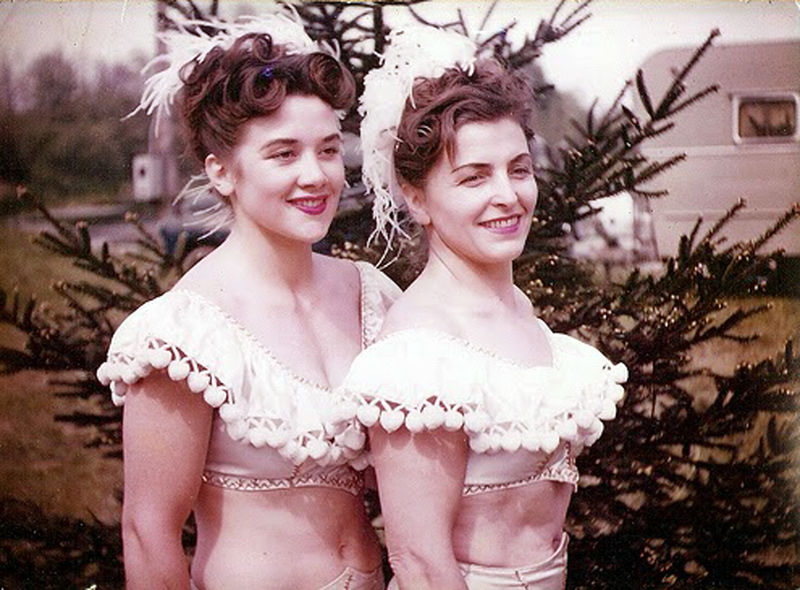
As a young gymnast in Speyer, Germany, Struppi Hanneford trained under Trude Johann, a retired aerialist who recognized her potential and helped shape her into a trapeze artist. Under Johann’s mentorship, Struppi refined her skills, learning the discipline and artistry required to perform high above the circus ring. Their early years together laid the foundation for Struppi’s future career, eventually leading her to professional circus contracts by the age of fifteen. Johann’s guidance not only helped Struppi master aerial techniques but also instilled in her the confidence to pursue an international circus career that would span decades.
Struppi honed her craft tirelessly, mastering the delicate balance of artistry and precision required for aerial performance. At 15, she took her first professional booking as a trapeze artist, joining European circus troupes and capturing audiences with her daring skills. Her performances showcased a blend of technical expertise, strength, and elegance, earning her a reputation as one of the most promising aerialists of her time.
Struppi Arrives in America
In the early 1950s, Struppi’s talent caught the attention of circus producers beyond Europe. The Mills Brothers Circus, one of the most well-known family-run American circuses, extended an invitation, and in 1953, Struppi set foot in the United States—a decision that would define the rest of her career.

Performing for American audiences presented new challenges and opportunities, but Struppi embraced them. Her performances grew more refined, her tricks more daring. She worked alongside legendary circus families, absorbing their traditions while adding her own flair to the show. It was within this vibrant world of circus entertainment that Struppi met the man who would become her husband and longtime collaborator: Tommy Hanneford.
The Birth of “Princess Tajana”
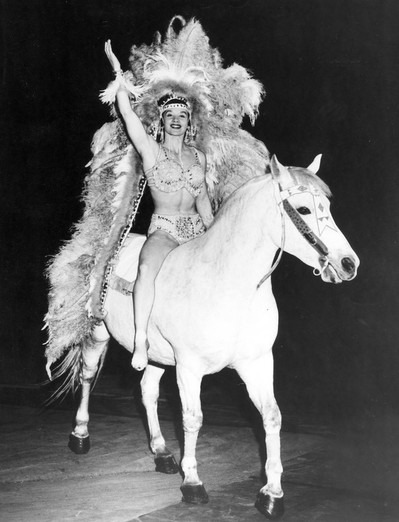
In 1955, Struppi married Tommy Hanneford, an equestrian performer from the illustrious Hanneford circus dynasty. Known for their majestic horseback acts, the Hannefords had captivated audiences for generations. It was within this dynamic environment that Struppi transitioned from being solely an aerialist to embracing a new stage identity—Princess Tajana. Although Hanneford was of European descent, Tommy and her decided to create a Native American persona and was often billed as the “Indian Goddess of Flight.” Her acts often included high-wire dancing and trapeze stunts.
The name lent an air of regal mystique to her performances, and she quickly became a featured act across major Shrine circuses, the New York World’s Fair, and television programs, including The Hollywood Palace and The Ed Sullivan Show. With her elegant presentation and undeniable talent, Struppi cemented her place as one of the most captivating figures in American circus.

Reinvention: From Trapeze to the Wild Arena

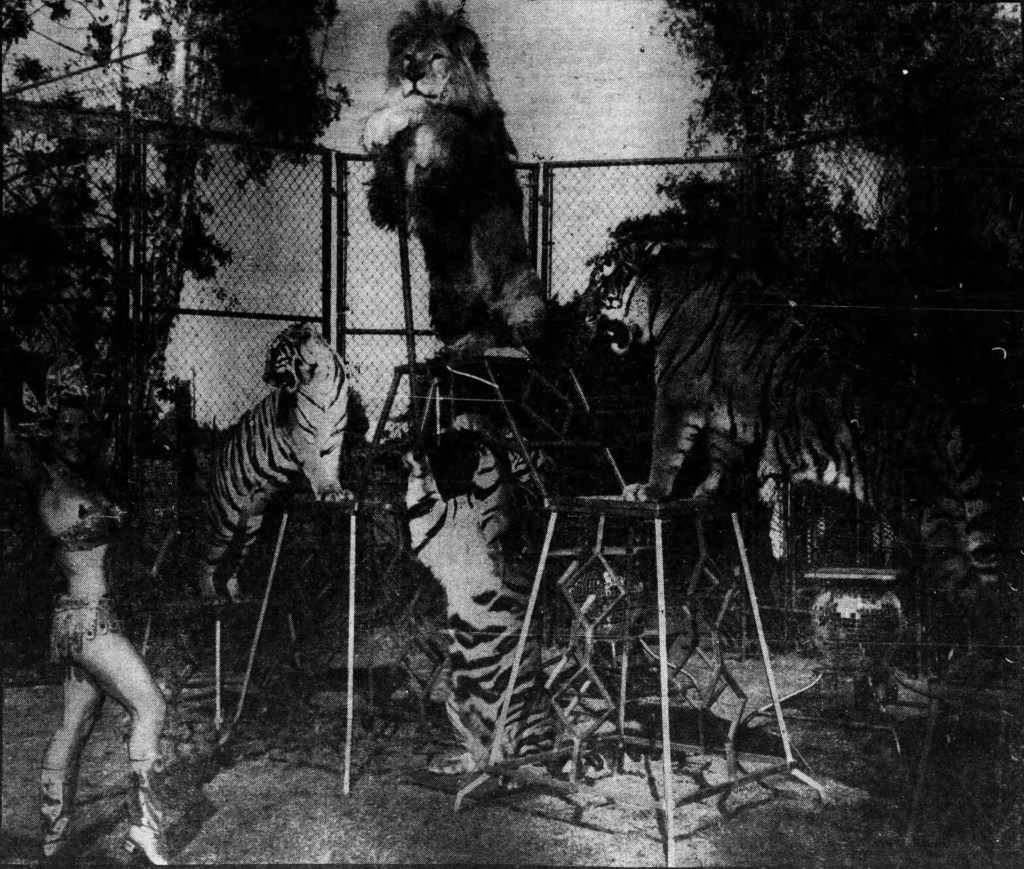
Circus life is unpredictable, and after suffering an arm and shoulder injury, Struppi was forced to rethink her career. Many trapeze artists faced retirement after such injuries, but Struppi refused to step away from the limelight. Instead, she transformed yet again—this time into a wild animal trainer.


Her transition into working with exotic animals was a bold and unconventional move, but her deep understanding of performance and her fearless nature made her a natural. She dazzled audiences by commanding the steel arena with confidence, proving that she was not just an aerialist or an equestrian performer, but an artist capable of mastering multiple disciplines.
Legacy and Influence
While Struppi’s performances were legendary, her contributions to circus culture extended far beyond the ring. Alongside Tommy, she played an integral role in managing and shaping the Royal Hanneford Circus, ensuring the family name endured for generations. Her efforts in preserving traditional circus arts and mentoring new talent helped keep the legacy of the circus alive.

Her lifelong dedication to the craft earned her a place in the Sarasota Circus Ring of Fame in 2005, a testament to her influence on the industry. Struppi had spent decades thrilling audiences and preserving circus traditions, making her one of the few performers who successfully transitioned between different disciplines while maintaining an unwavering presence in the entertainment world.

A Final Bow
On November 1, 2014, Struppi Hanneford passed away peacefully in her sleep after a long battle with colon cancer. Though she is gone, her name remains synonymous with passion, reinvention, and artistry.
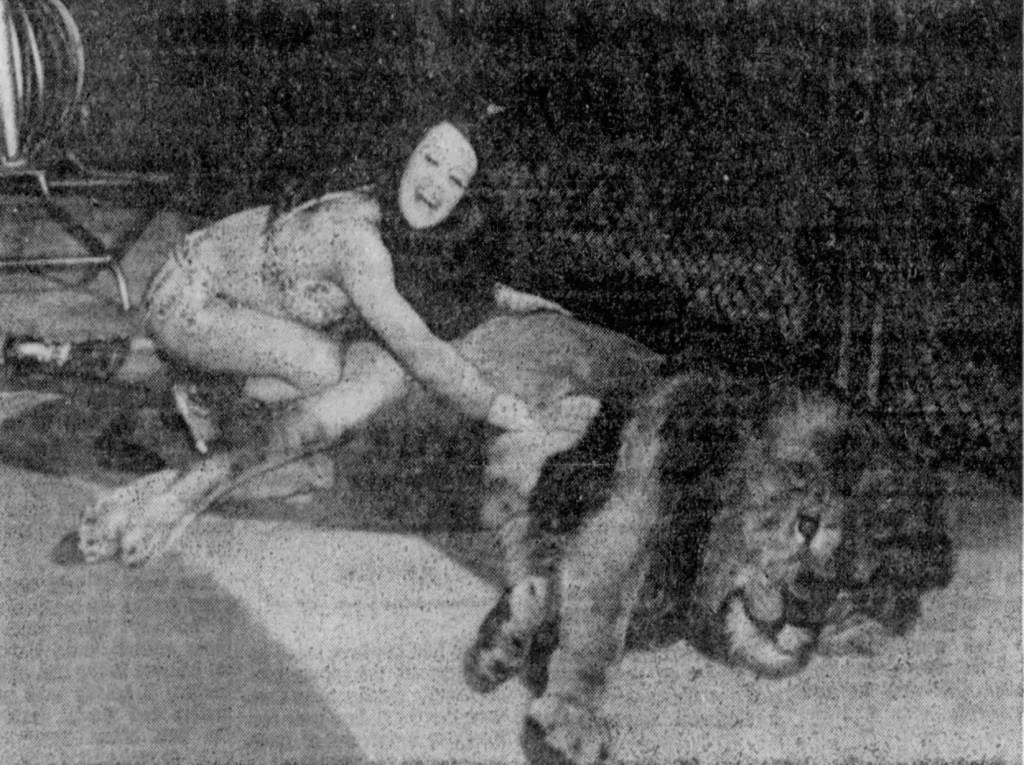
Struppi’s journey—from a young German gymnast to a celebrated trapeze artist, a regal performer, and an animal trainer—epitomizes the magic of circus. She was more than a single act or a passing performer; she was a legend, one who taught the world that with enough determination, adaptability, and skill, one can defy limits. Circus enthusiasts, historians, and aspiring artists continue to find inspiration in her unbreakable spirit and fearless pursuit of excellence.
Burlesque & the Circus
Circus and burlesque have long shared overlapping elements—both rely on showmanship, elaborate costuming, and audience engagement. Struppi’s transformation into Princess Tajana added a layer of mystique to her performances, much like burlesque performers who crafted distinct stage personas. Her acts, particularly those involving high-wire dancing and exotic animal presentations, carried a sense of dramatic flair that resonated with burlesque’s emphasis on visual storytelling.

Additionally, circus performers, including Struppi, often appeared in variety shows and television programs that featured burlesque-style acts alongside traditional circus performances. Shows like The Hollywood Palace and The Ed Sullivan Show frequently blended circus acts with burlesque-inspired dance numbers, creating a space where these entertainment forms coexisted.
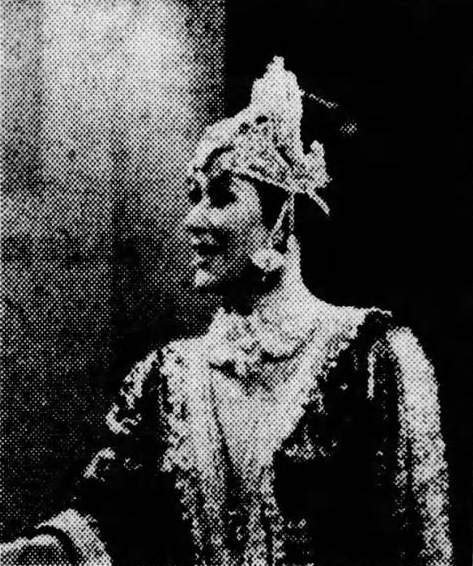
While Struppi herself was not a burlesque performer, her career reflected the sensuality, theatricality, and spectacle that defined both circus and burlesque.
Sources
- “Struppi Hanneford Obituary.” Herald Tribune. https://www.legacy.com/us/obituaries/heraldtribune/name/struppi-hanneford-obituary?id=16631403
- “Struppi Hanneford “Princess Tajana”.” Circus History, Circus Performers and Owners. https://www.circusesandsideshows.com/performers/struppihanneford.html
- “Princess Tajana.” Circopedia. https://www.circopedia.org/Princess_Tajana
- Draper, John Daniel & Struppi Hanneford. “Interview with Struppi Hanneford.” Milwaukee, WI. July 1988
Newspapers
- Lexington Herald Leader. “Shrine Circus Goes Indoors; Opens Here Friday Night.” John Alexander. Page 69. June 20, 1976
- Telegraph Bulletin. “Lodgepole Shrine Circus Saturday.” Lodgepole, NE. Page 2. July 17, 1957
- The Bradenton Herald. “From the trapeze to wild animals.” Page 69. January 12, 1975
- The Flint Journal. “Trapeze Artist is Gourmet Chef.” Page 4. May 4, 1971
- The Grand Rapids Press. “Hanneford Three-Ring Circus Here on April 17.” April 9, 1972
- The Ithaca Journal. “Trapeze Artist Turns Animal Trainer.” Page 8. March 22, 1972
- The Macon News. “Shrine Circus Performer To Appear on Ed Sullivan Show.” Page 23. May 2, 1969
- The Plain Dealer. “Princess Tajana: from trapeze artist to animal trainer.” Peter Bellamy. Page 78 & 79. January 16, 1976
- The Saginaw News. “Saginaw Fair Starts Saturday.” Page 17. September 5, 1966

Leave a comment