

By the 1970s, Omaha’s burlesque scene had begun to evolve alongside changing cultural tides. The glamour of mid-century striptease gave way to grittier, more commercialized adult entertainment, yet echoes of classic burlesque still lingered in certain clubs and performances. Venues blurred the lines between nightclub, go-go bar, and strip club, reflecting broader national trends. While the art of the tease was often overshadowed by more explicit fare, some performers and producers continued to infuse their acts with humor, character, and theatricality—keeping the spirit of burlesque alive in unexpected corners of the city.
1970s
Bachelor III Lounge | 1971

Lynn Russel’s Bunny Club at the Diplomat Hotel | 1971


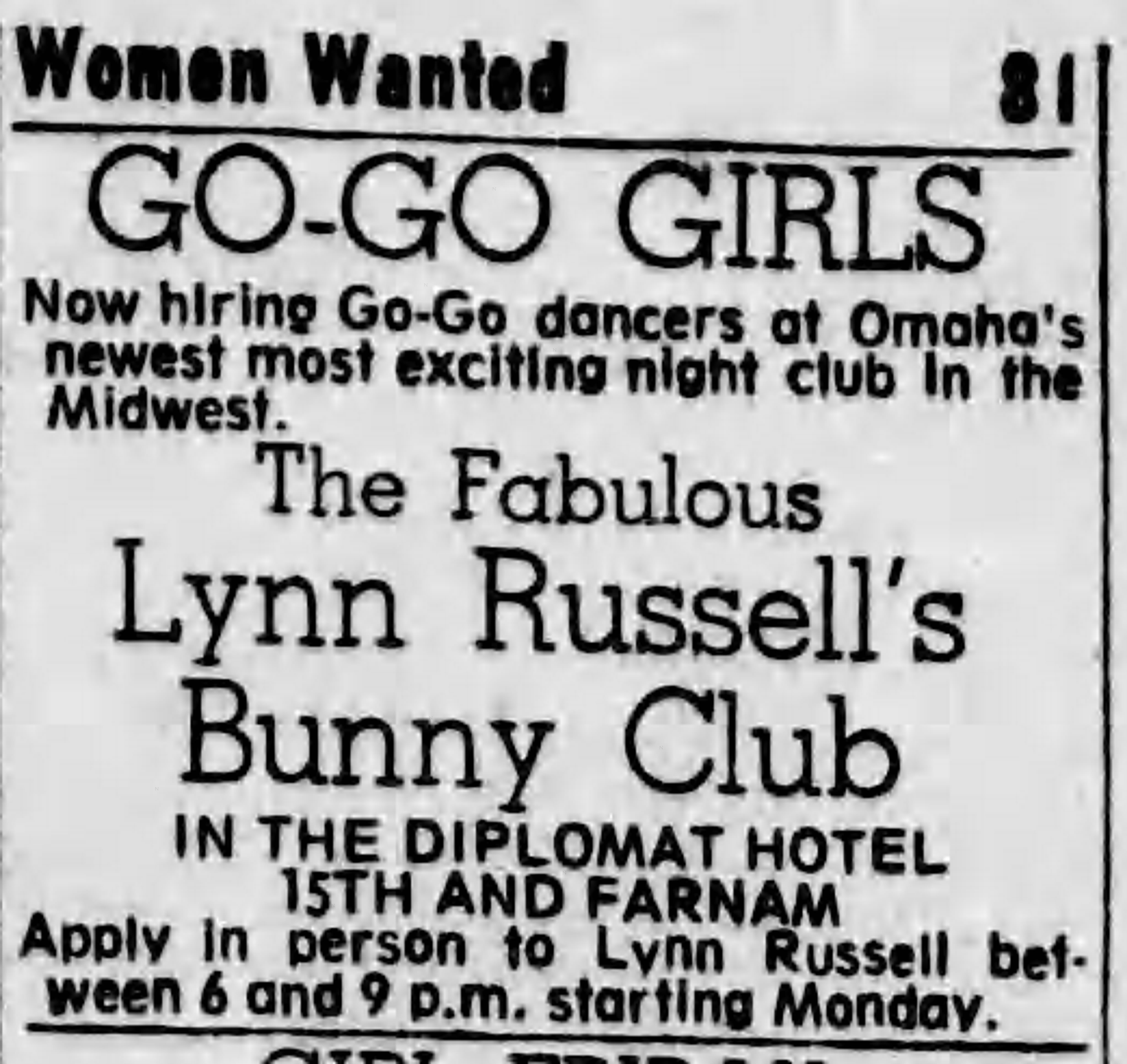
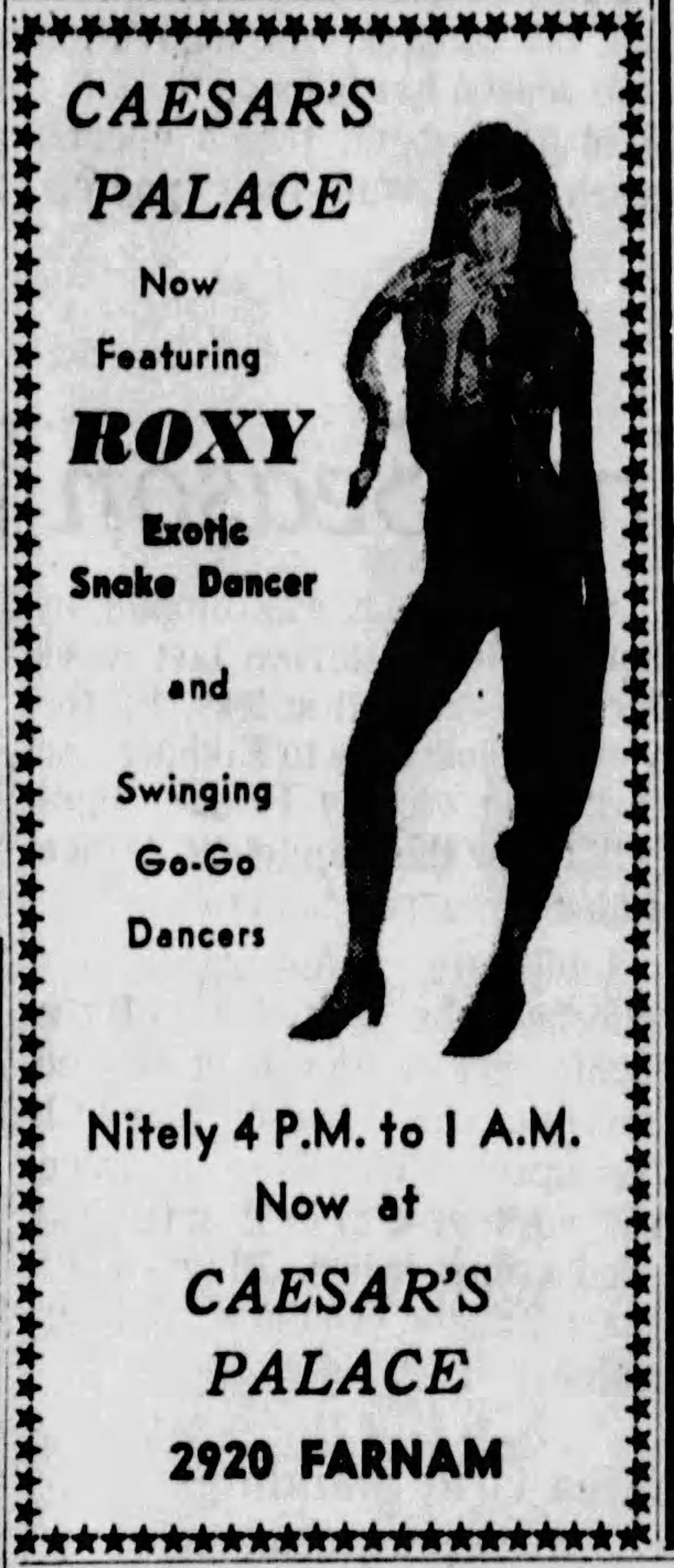
Caesar’s Palace Lounge | 2920 Farnam St | 1970-71
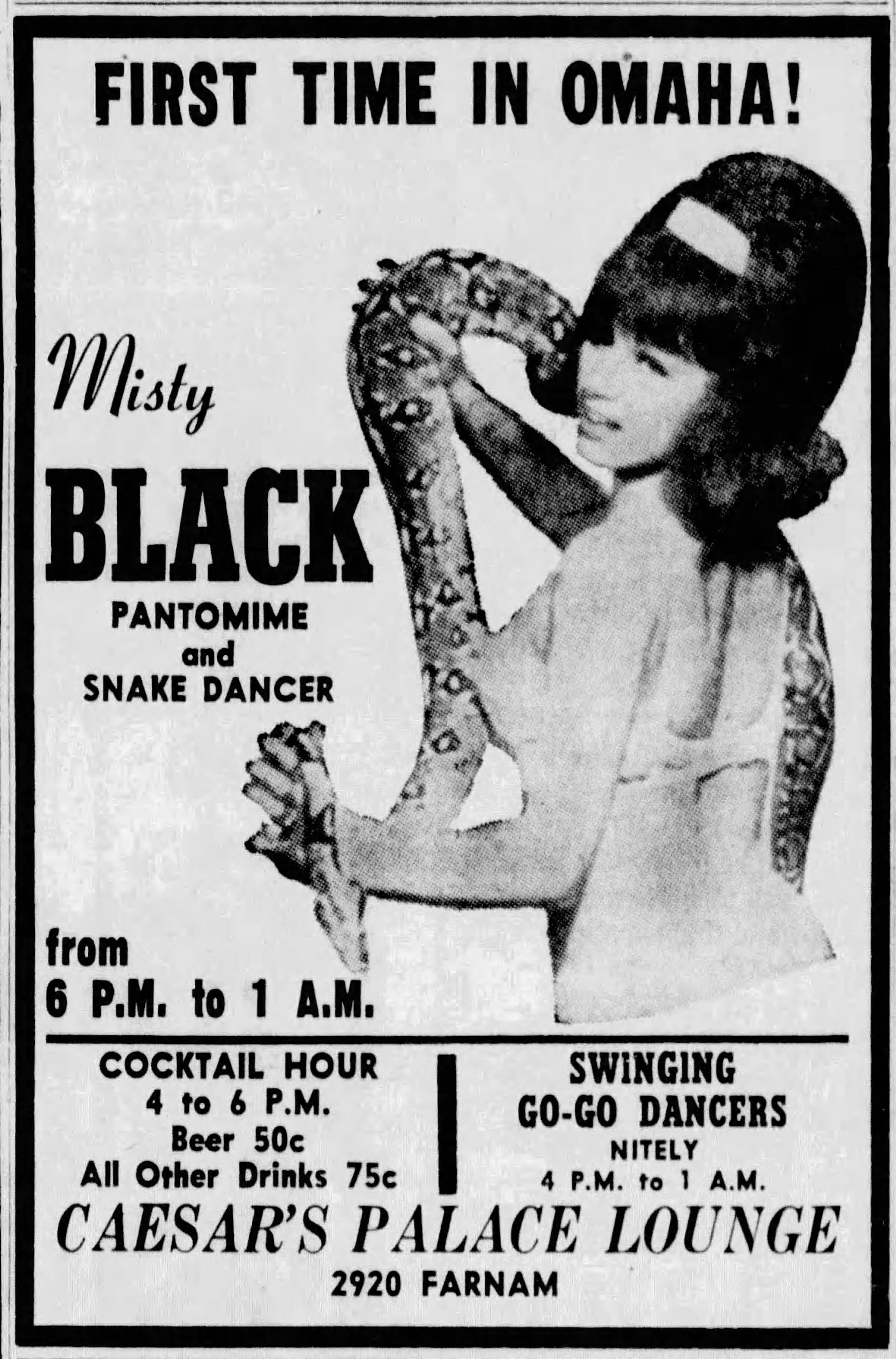
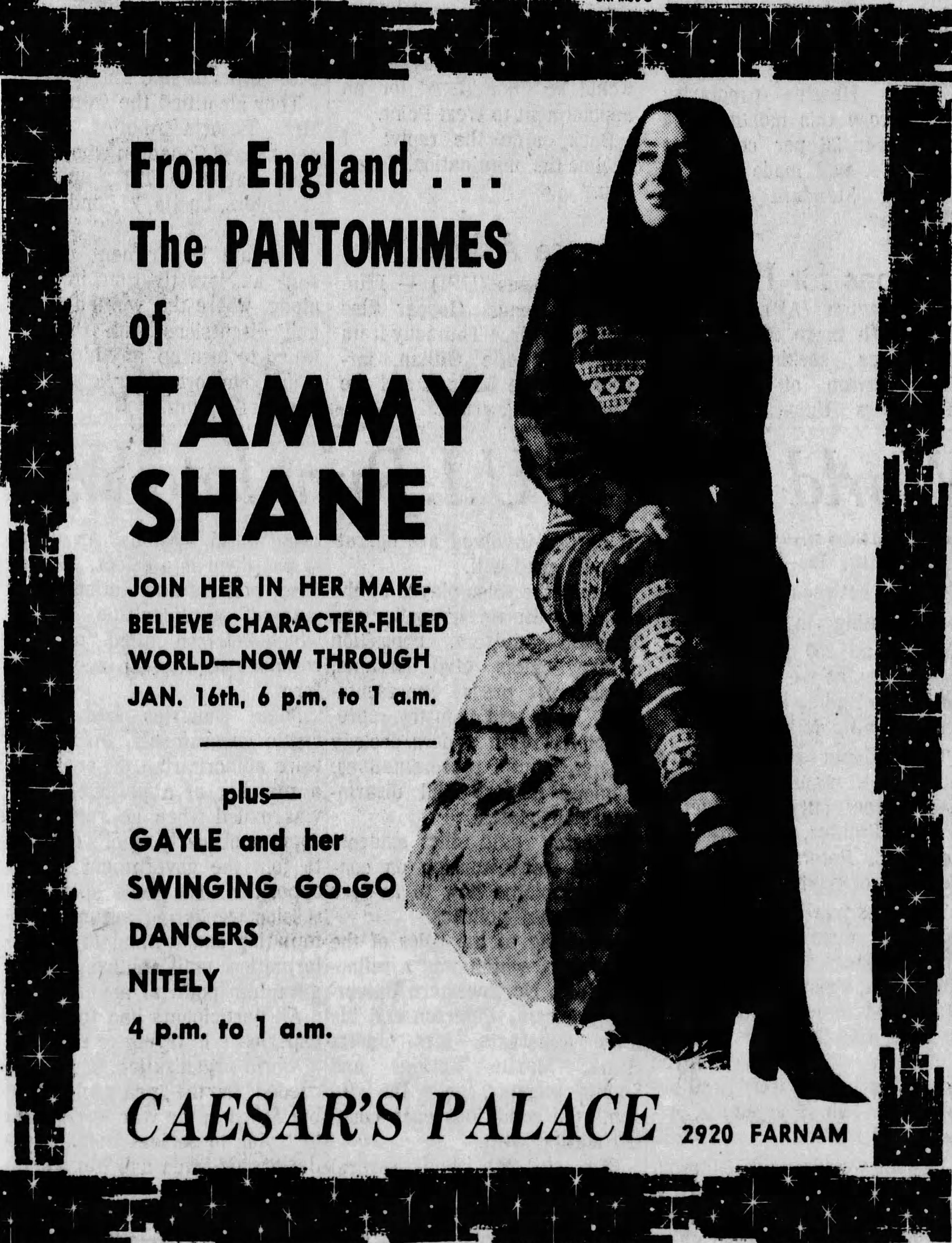


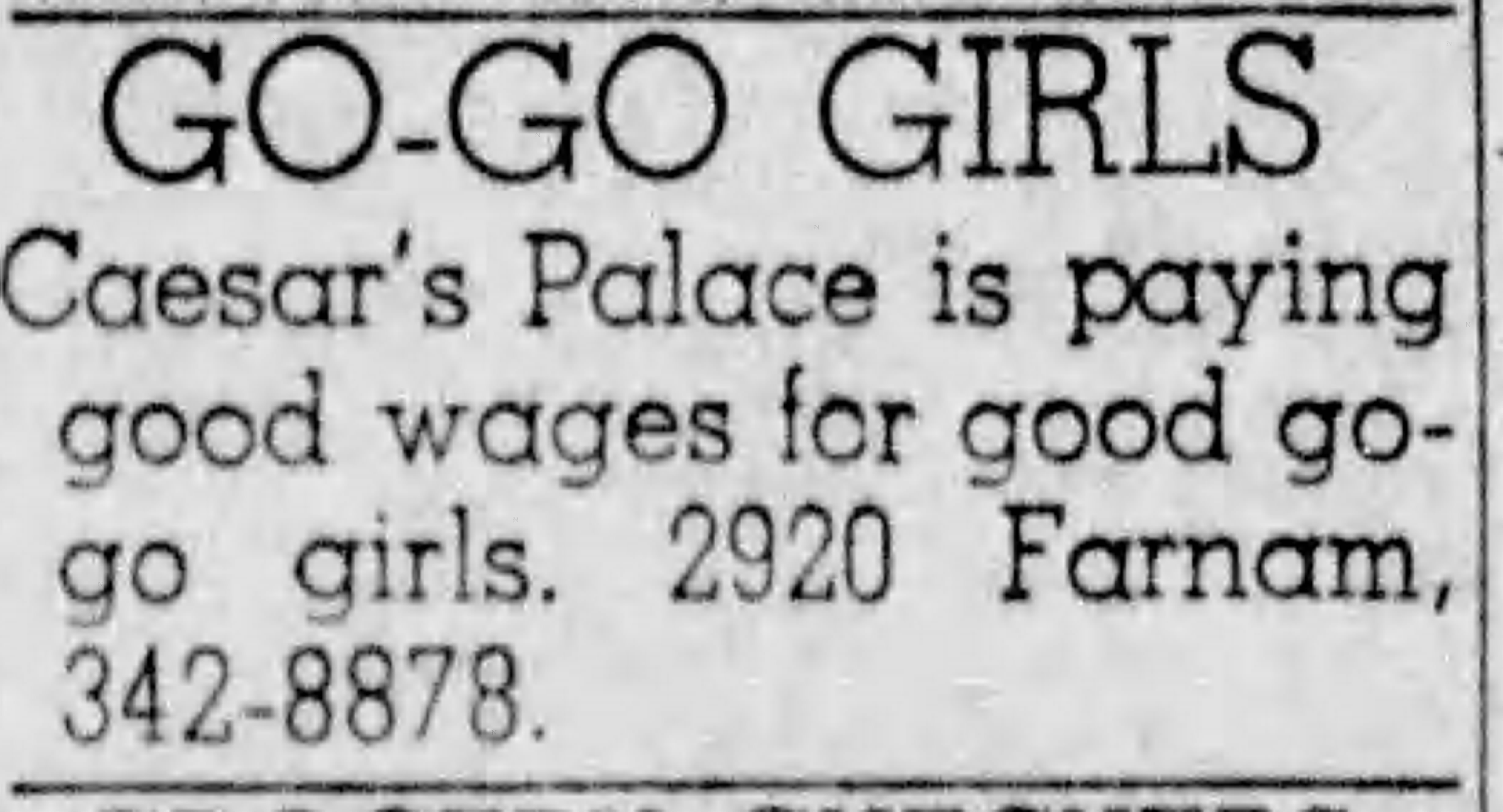
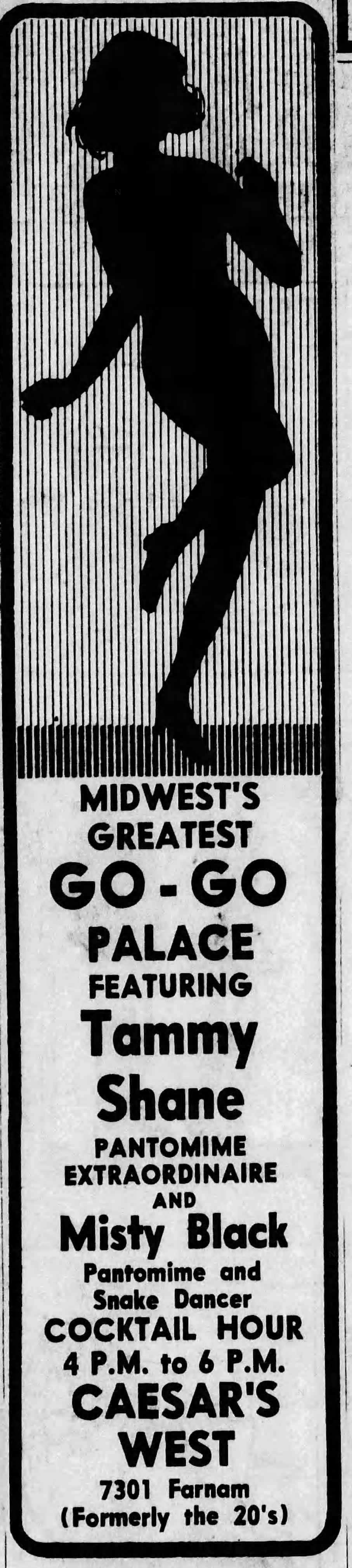
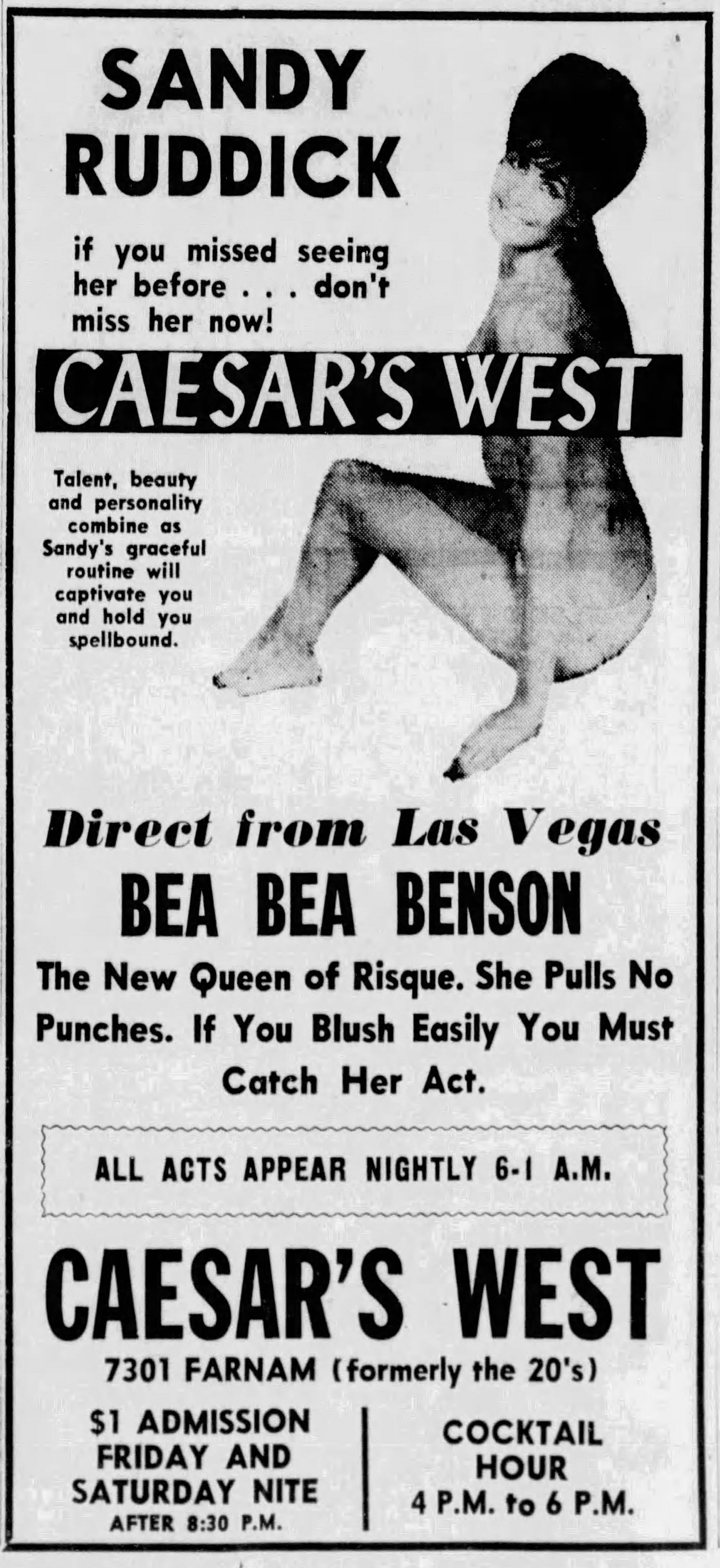
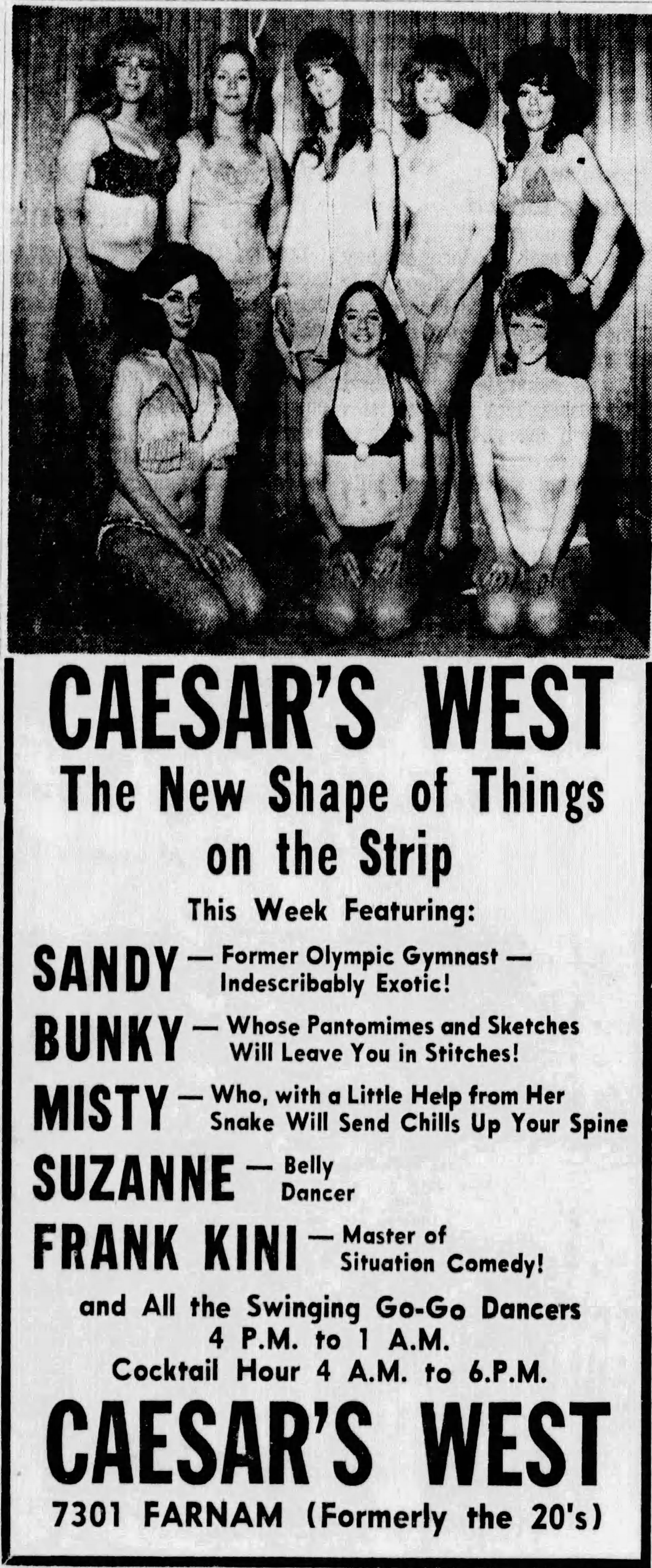
Caesar’s West | 7301 Farnam St | 1971-72



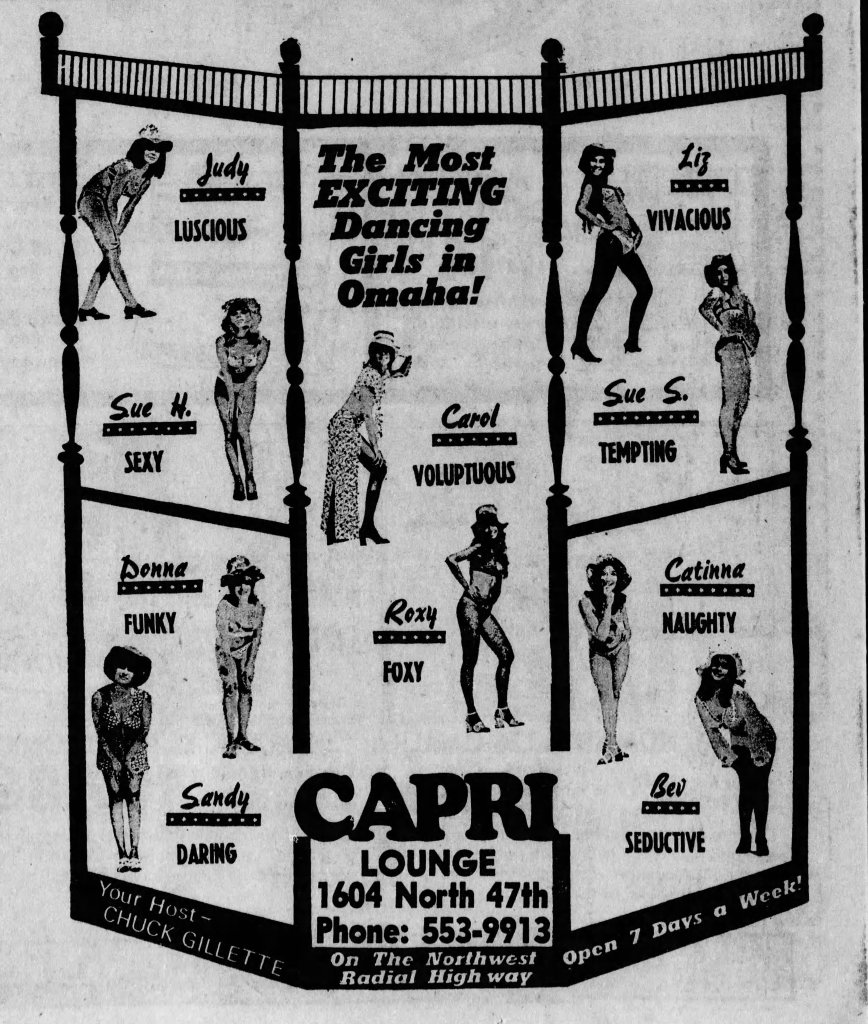
Capri Lounge | 1604 N 47th St | 1972
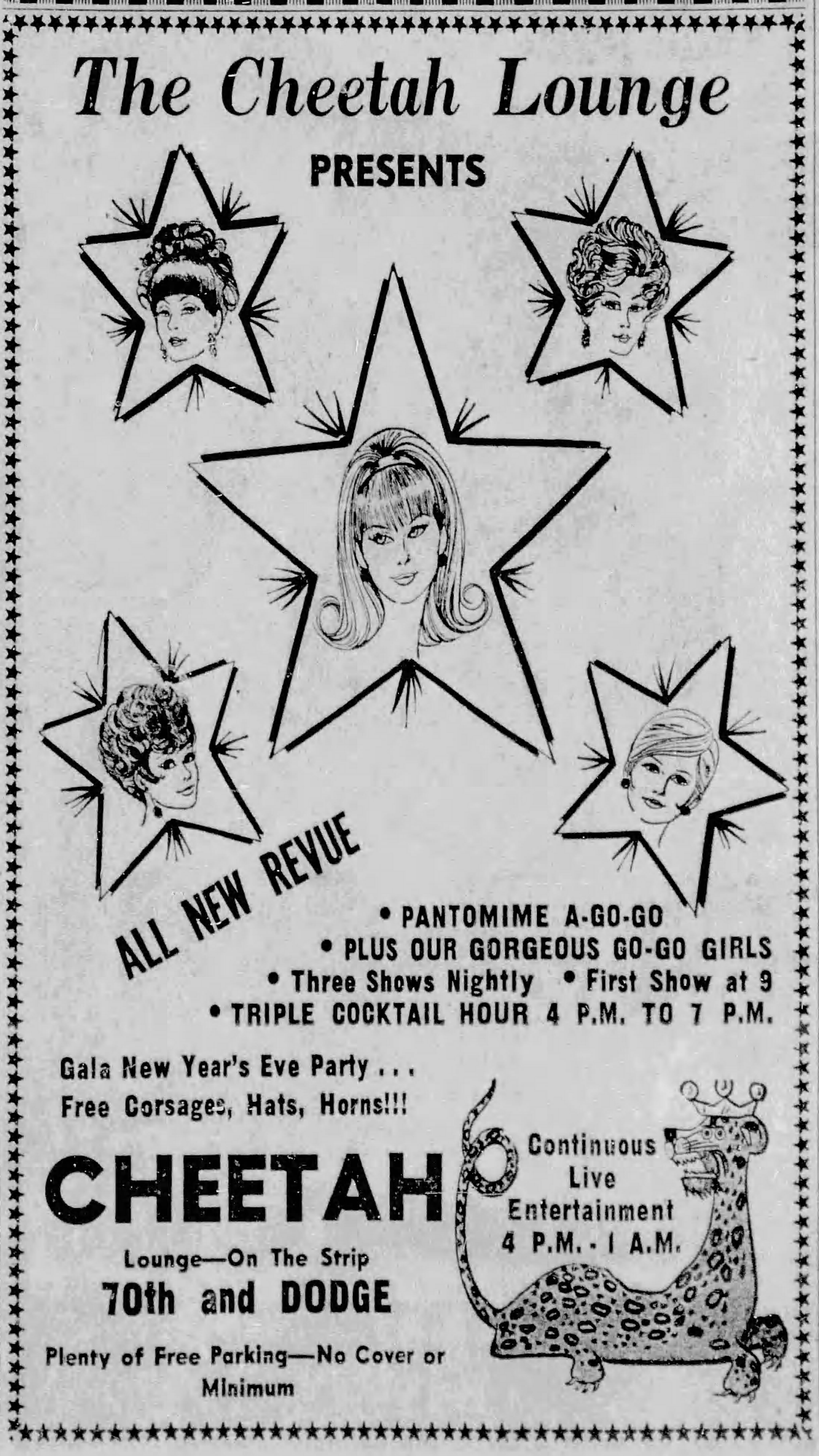
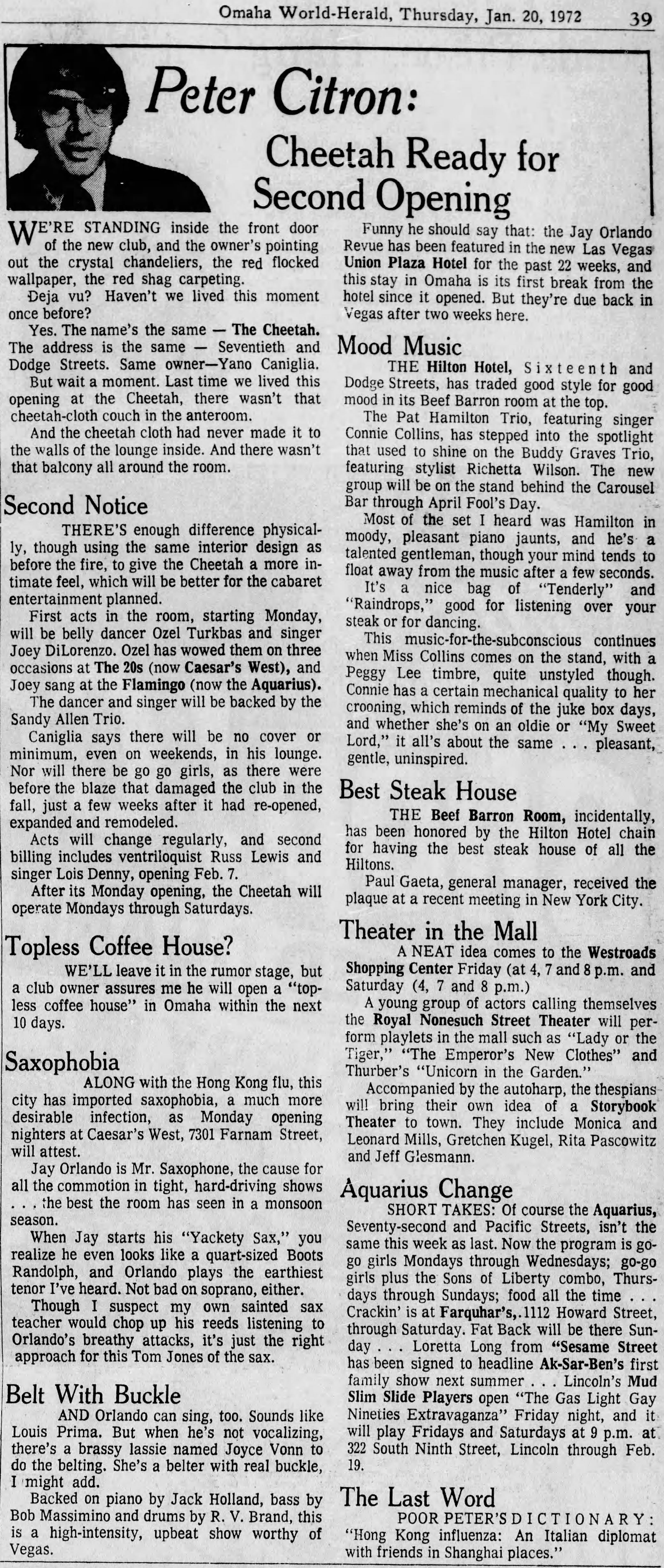
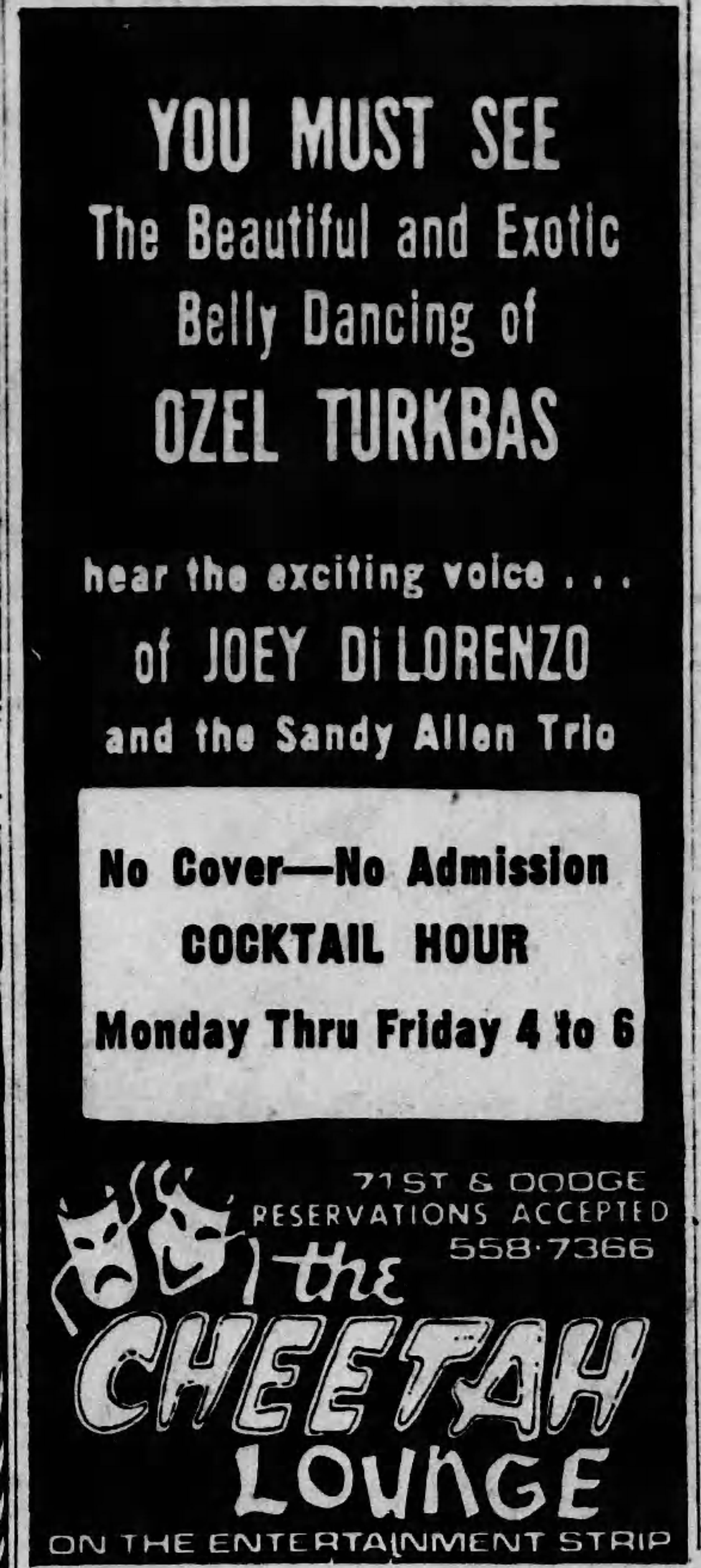
Cheetah Lounge | 71st & Dodge St | 1967-1977






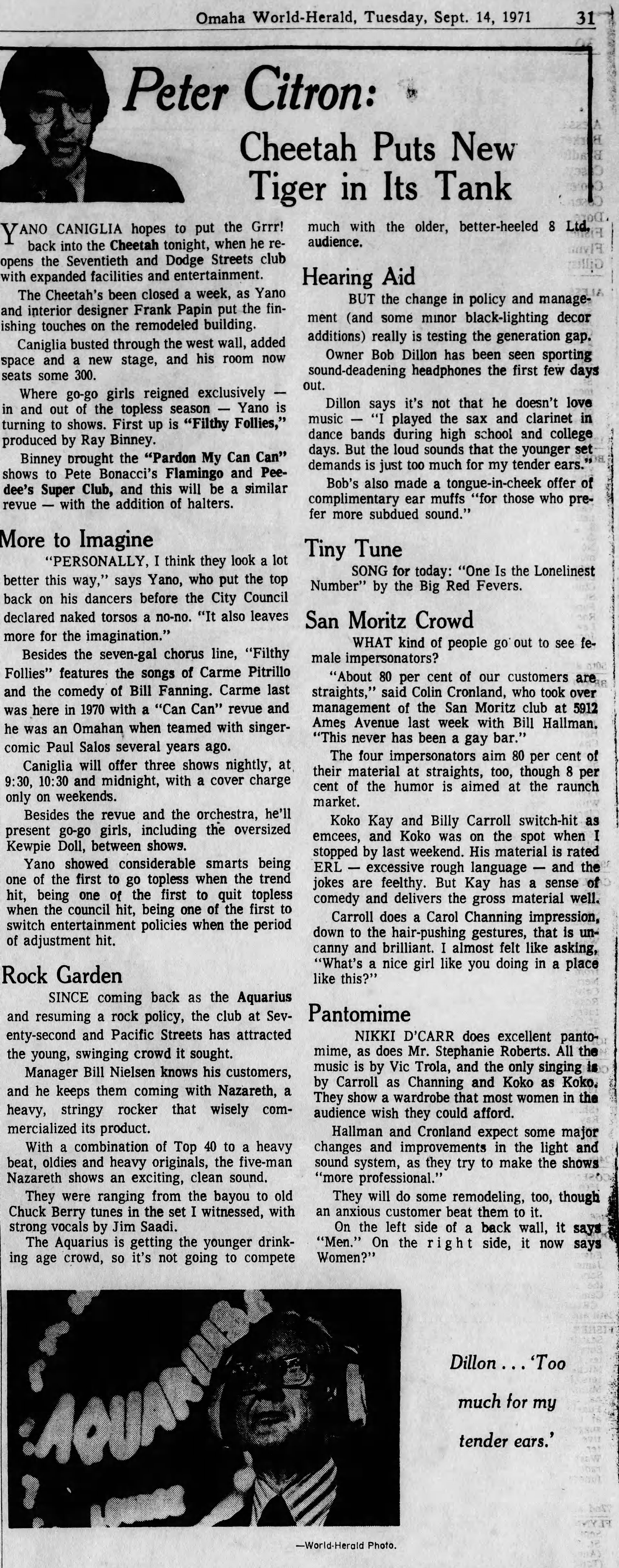

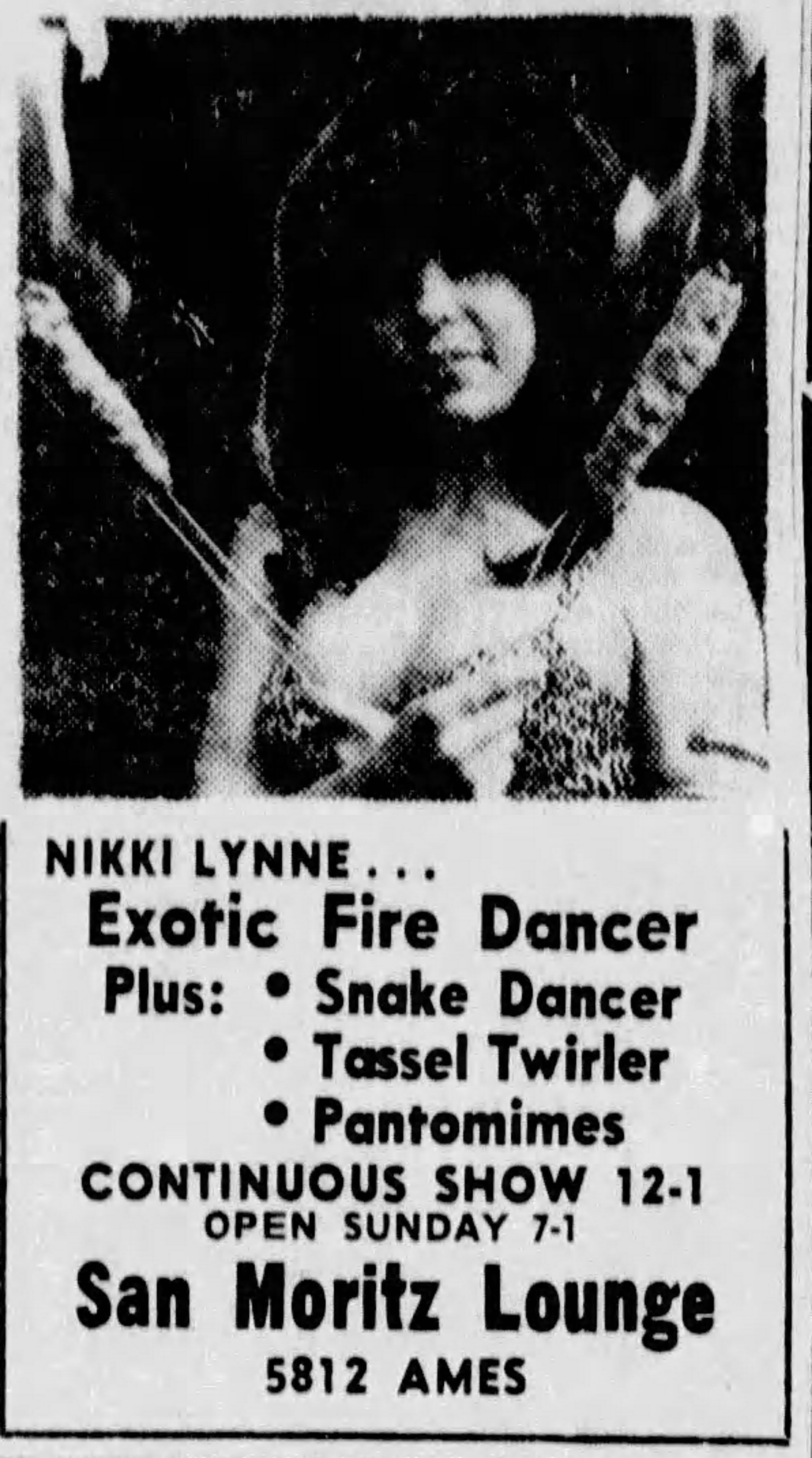
The San Mortiz Lounge | 5912 Ames St | 1971



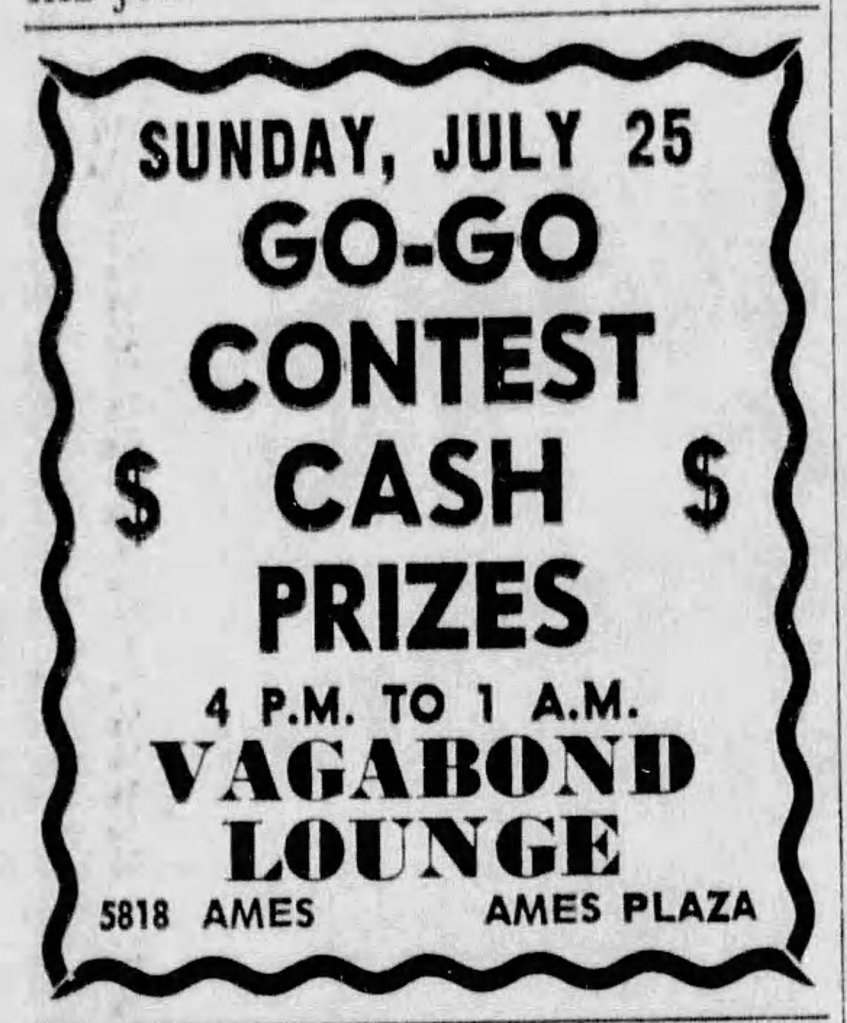
The Vagabond Lounge | 5818 Ames St | 1971
Gino’s | 717 S 16th St | 1970

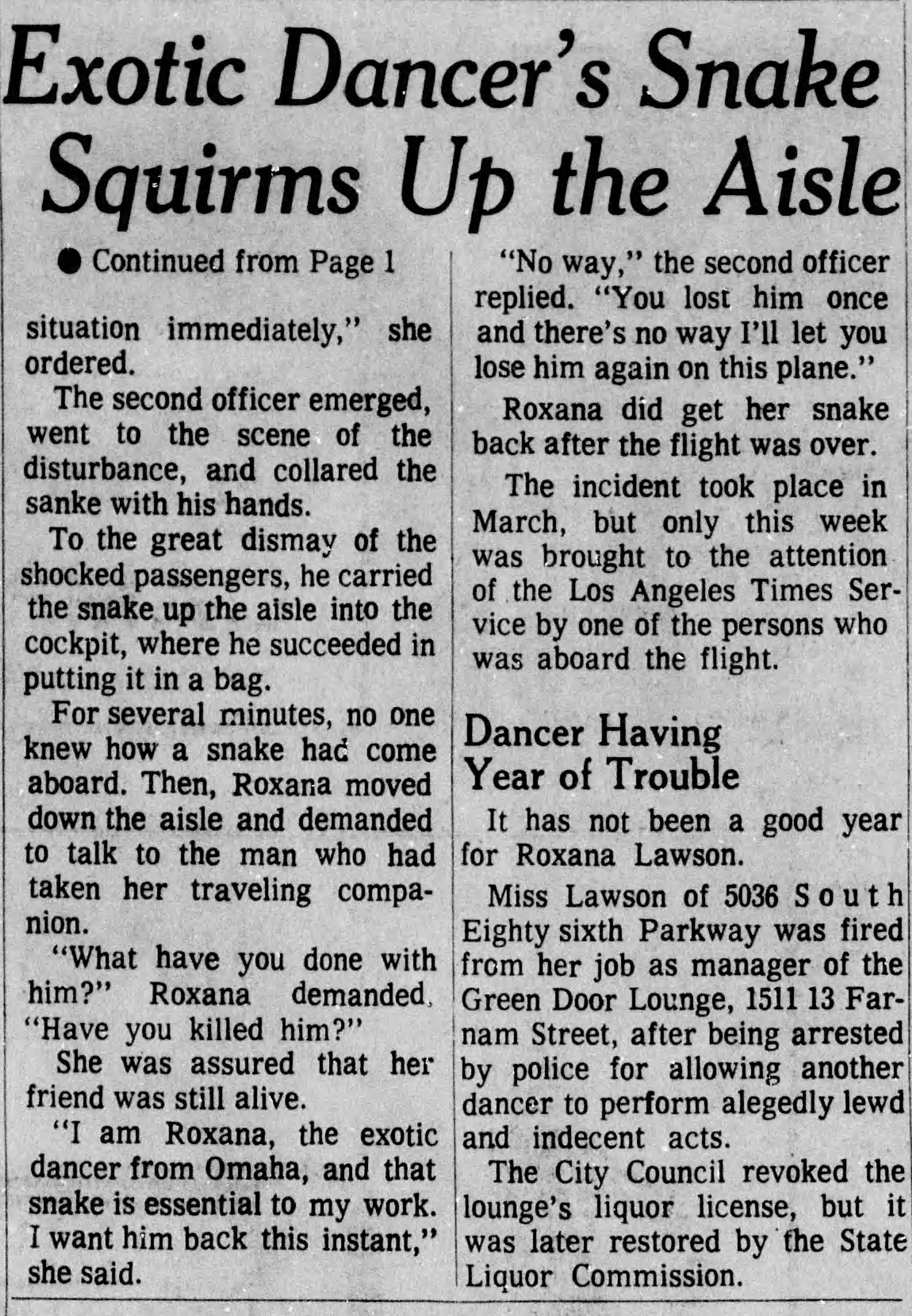
Green Door Lounge | 1972



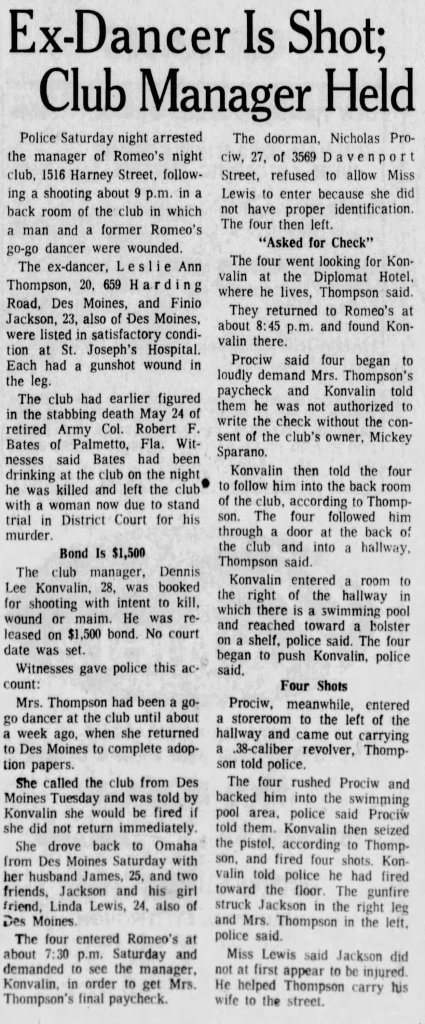
Romeo’s | 1516 Harney St | 1971
Heet Lounge | 1973
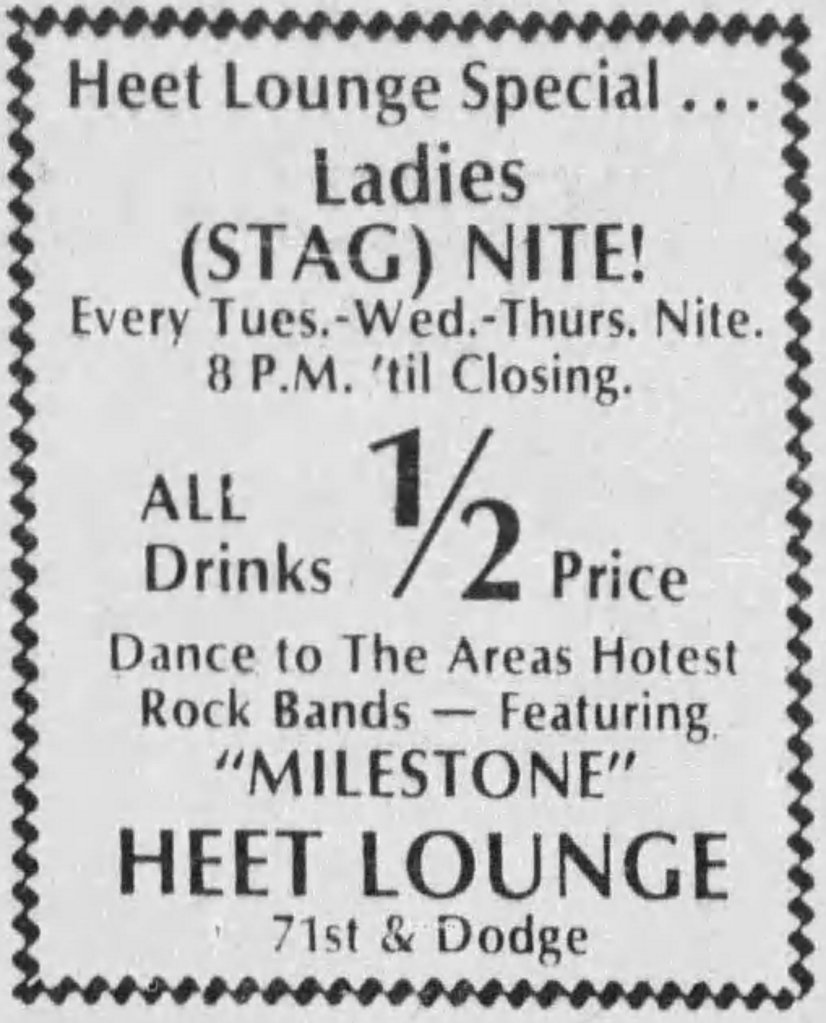
Image 90 Lounge | 2666 N 90th St | 1970-73


Inferno Lounge | 29th & Farnam | 1976

Circle-C Bar at the Conant Hotel | 1913 Farnam St | 1974

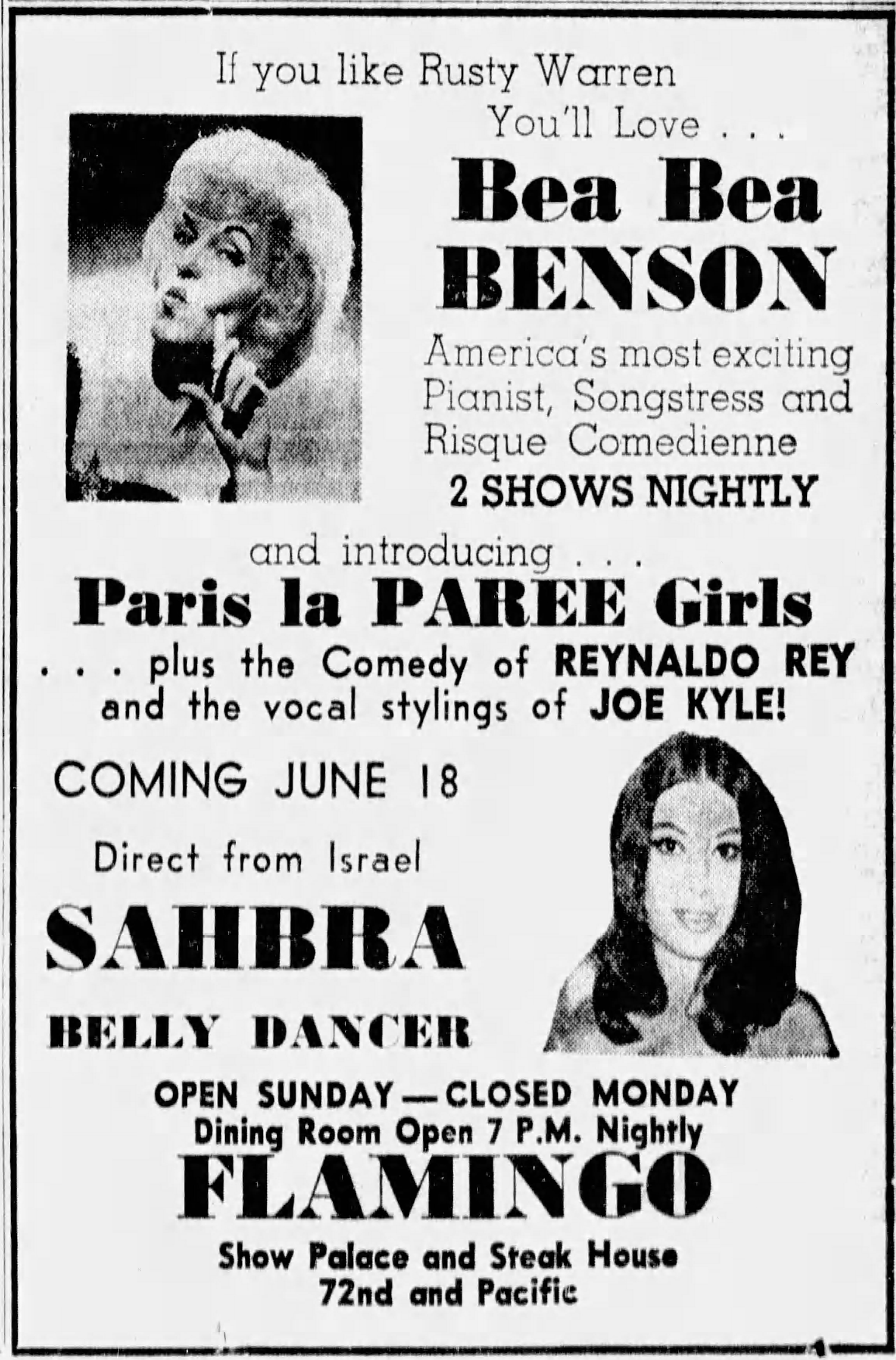
Flamingo Show Palace | 1970-71

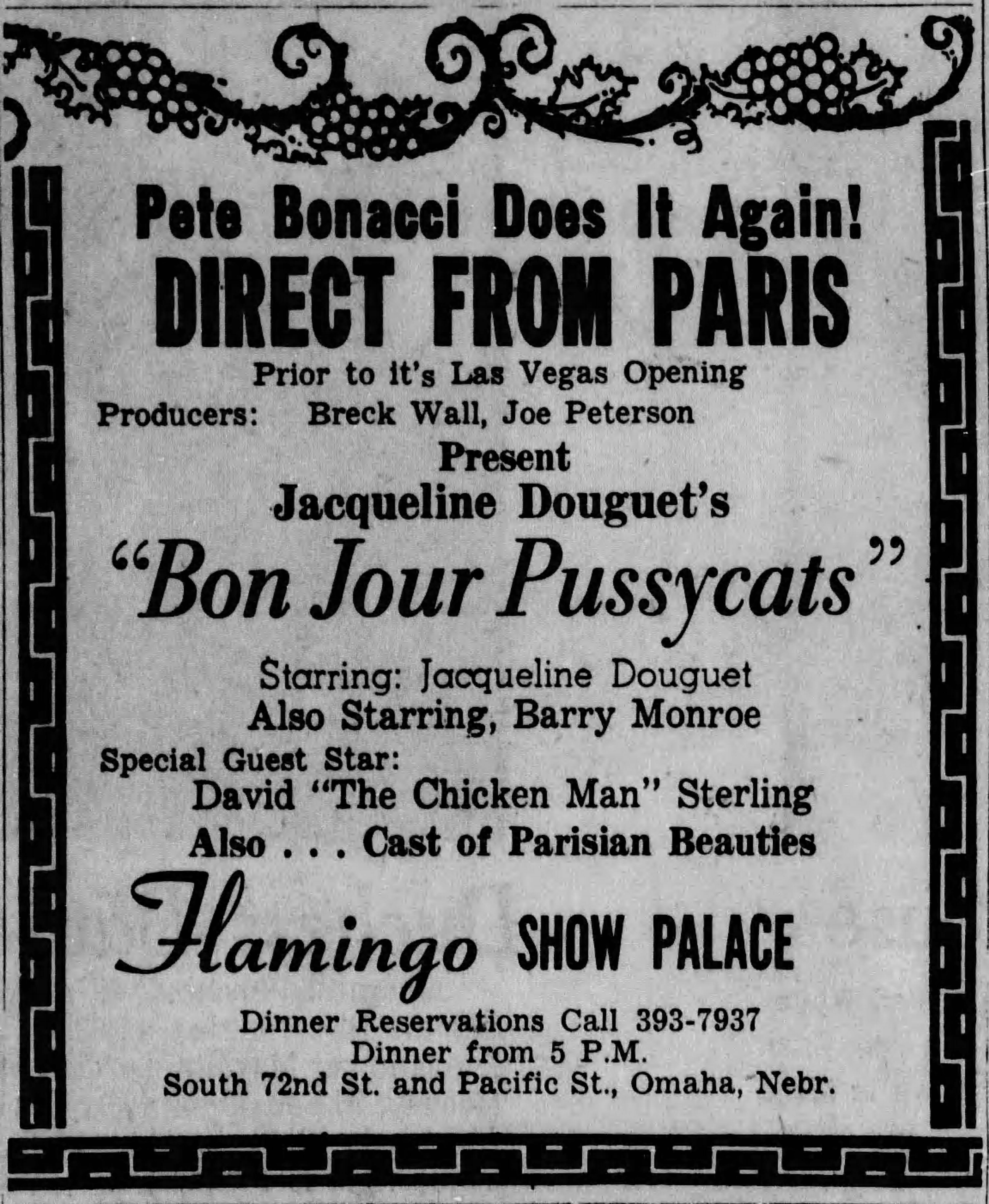
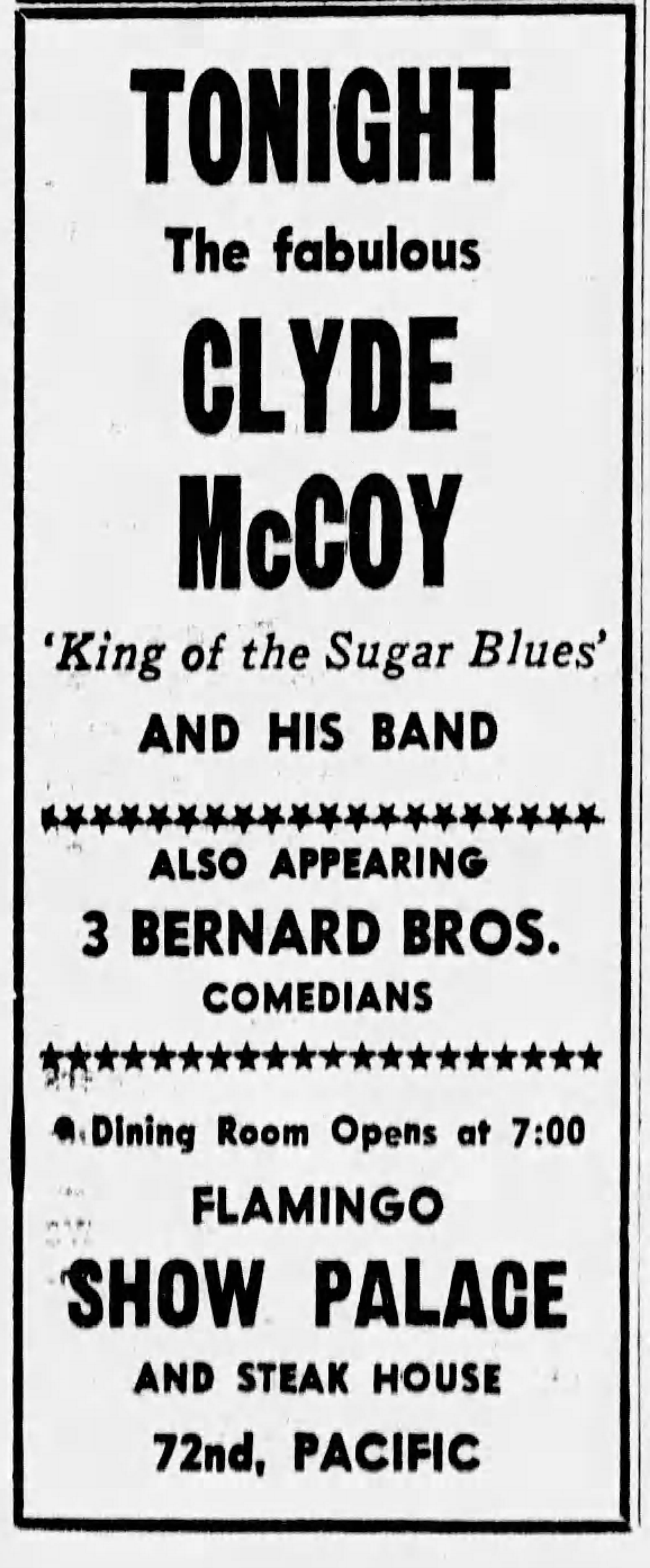

Deano’s Greek Village | 1007 Farnam St | 1976

1980s
The Body Shop Lounge | 1980
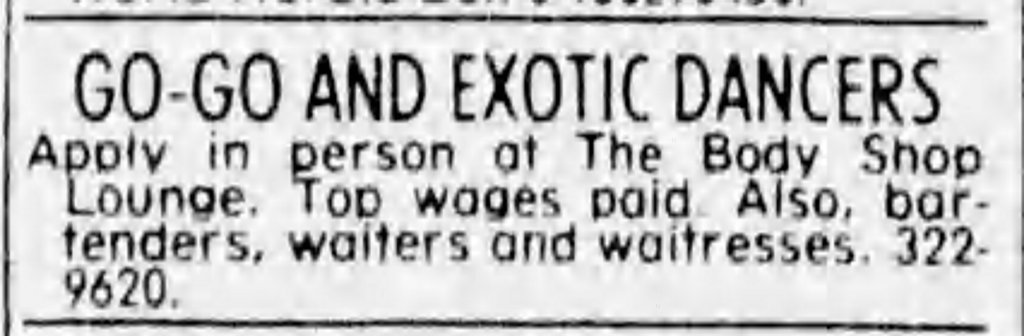
Night Moves Lounge | 1980

Bushes Underground | 13209 Q St | 1980

Club 15 | 15th & Farnam St | 1987


Back Door Lounge | 25th & Farnam St | 1985
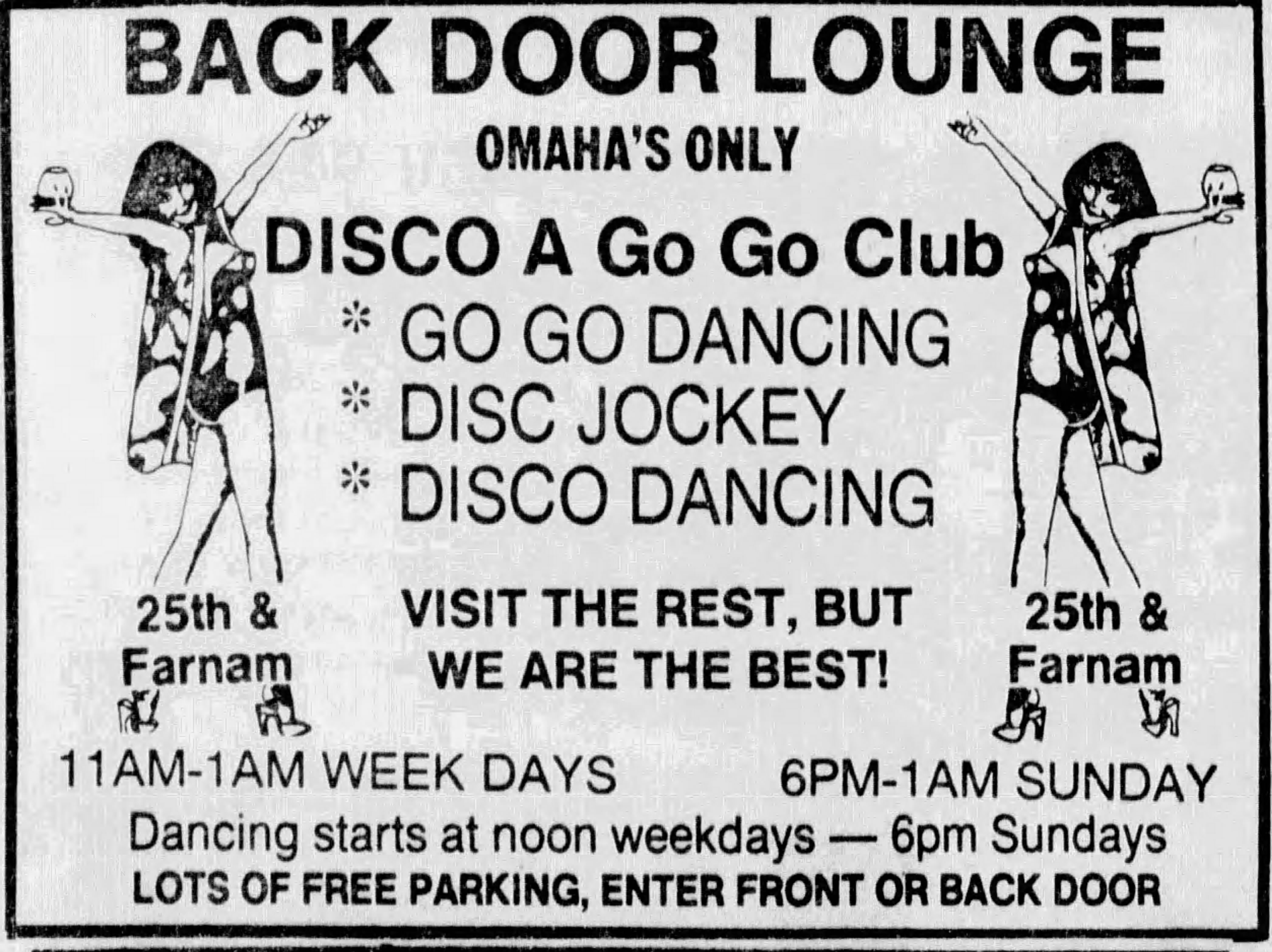

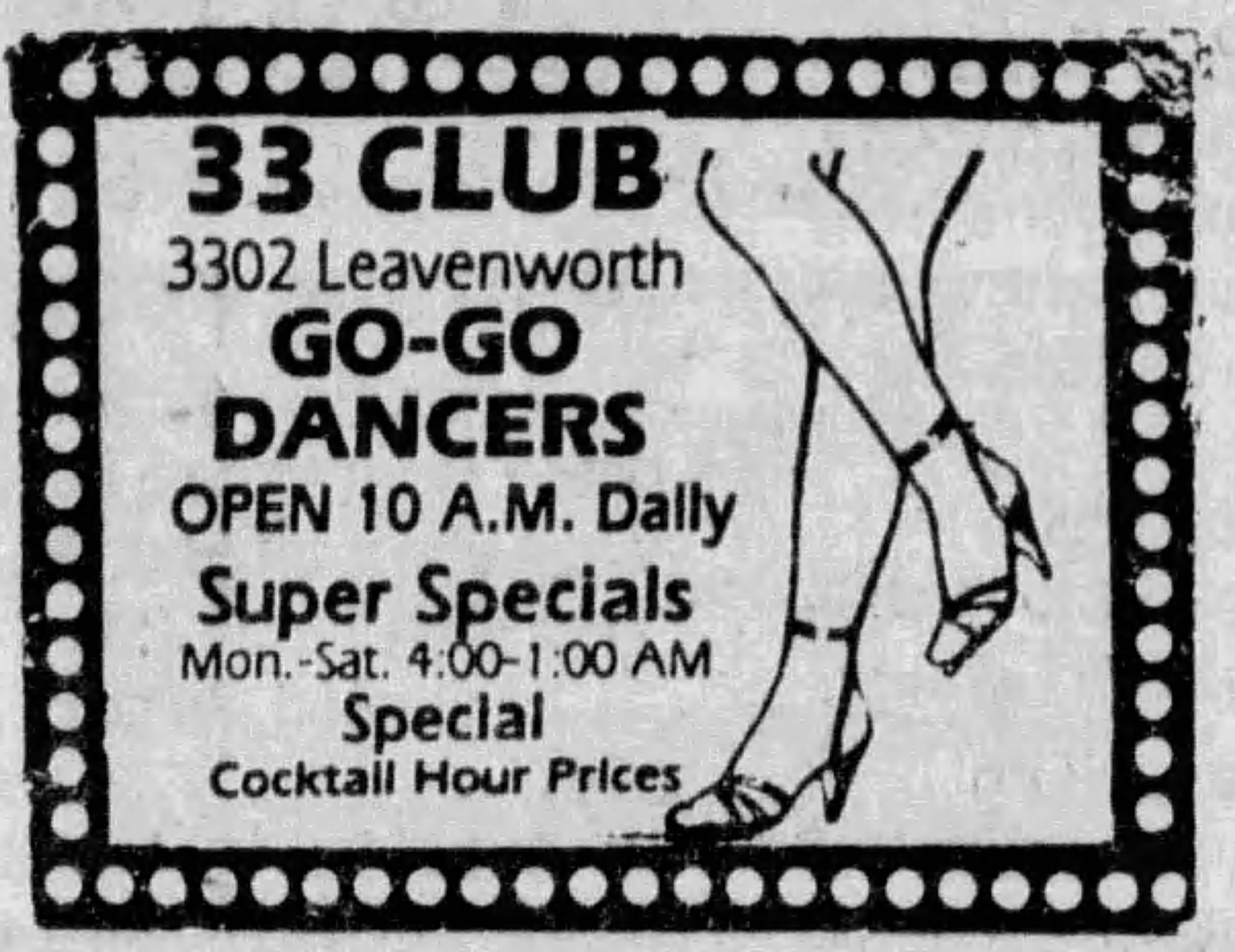
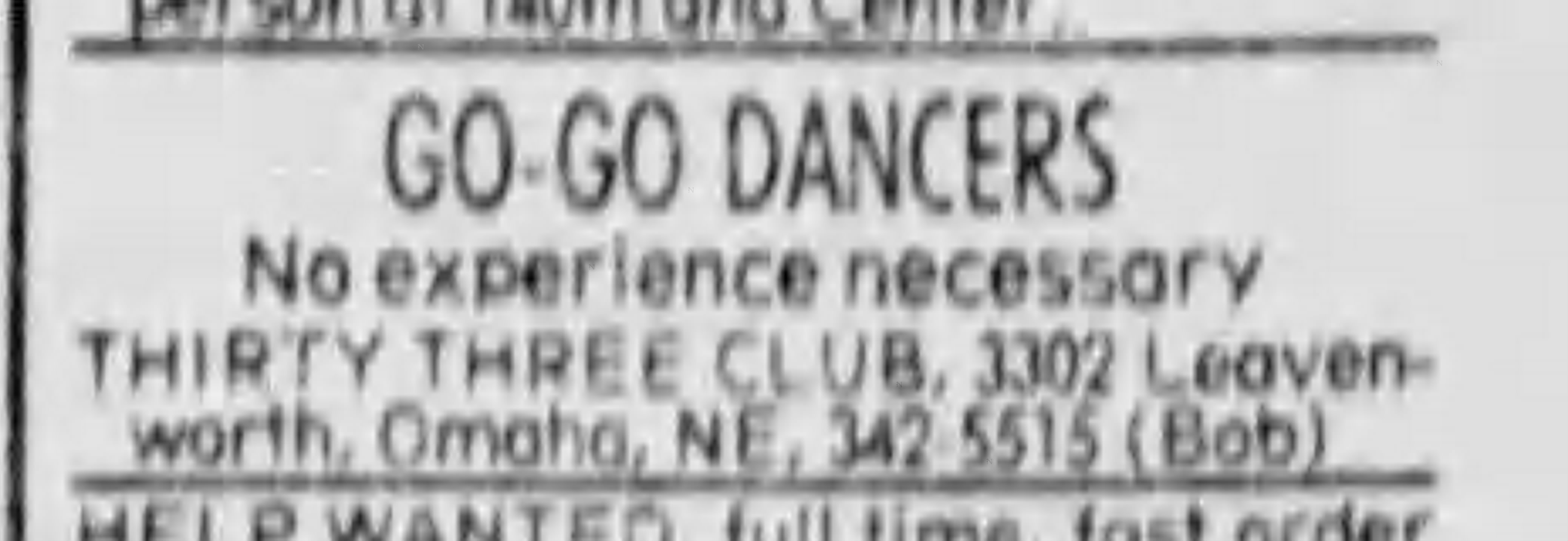
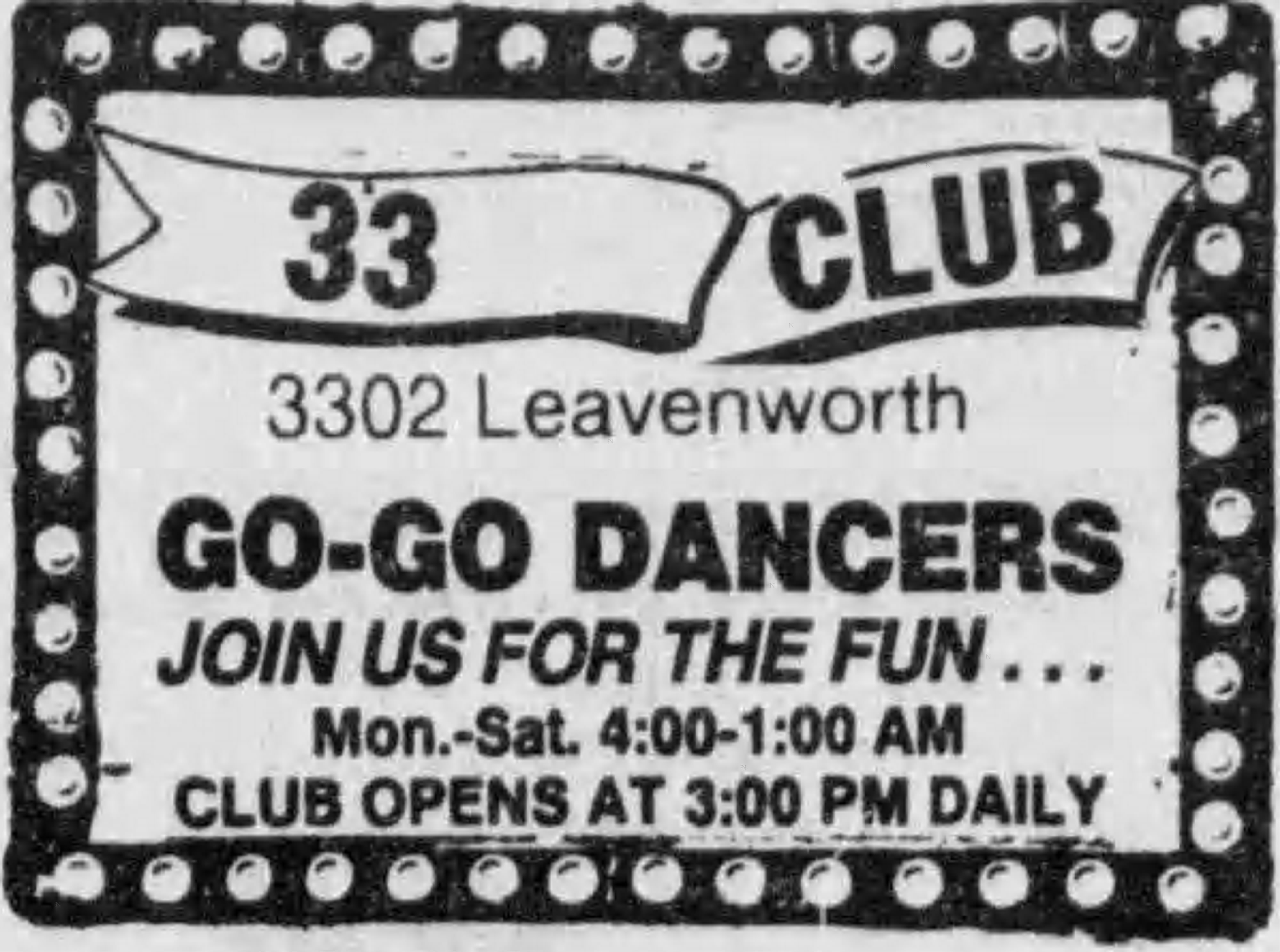
33 Club | 3302 Leavenworth St | 1985-1987
Only Chance Saloon | 20010 W Dodge St | 1984-88

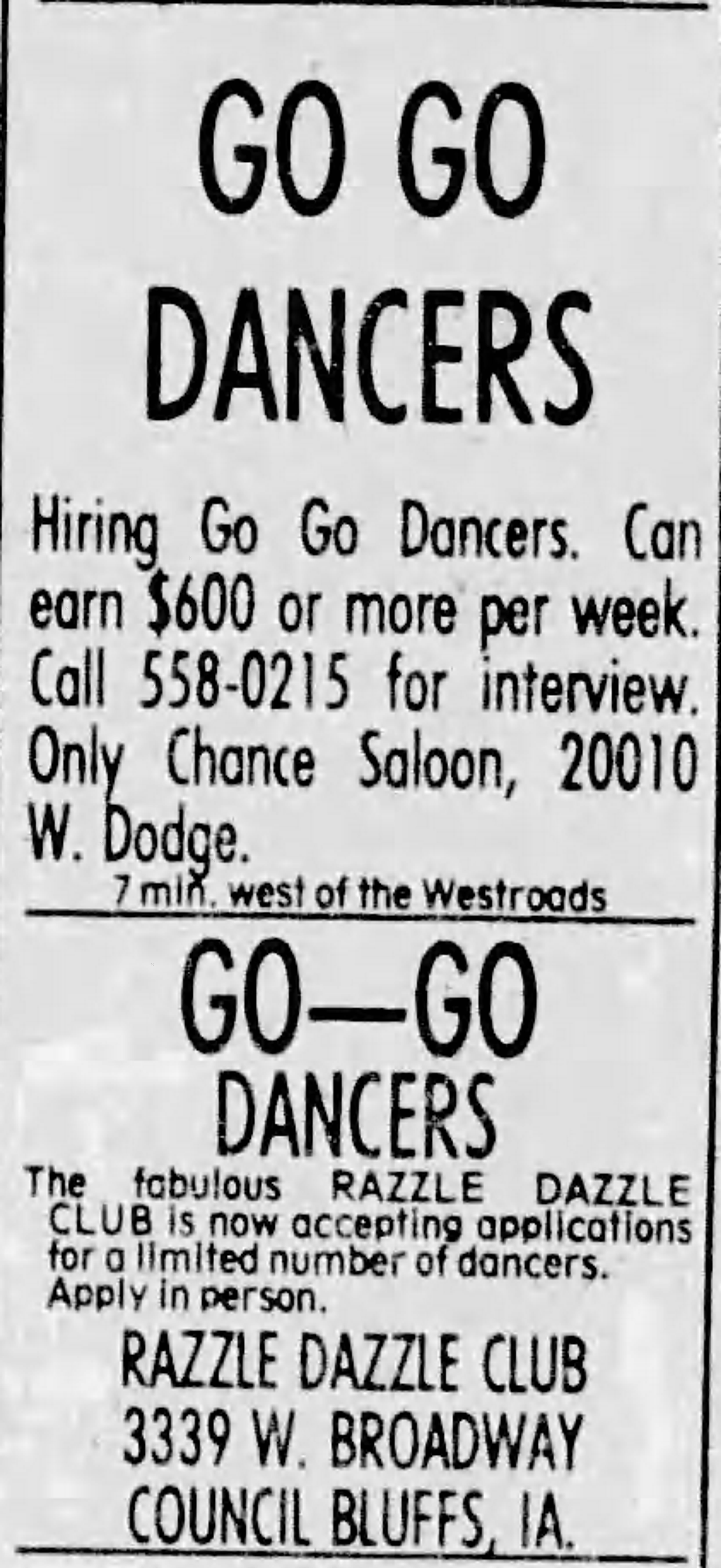
Mr. Tease Go Go Club | 1401 Jackson St | 1986

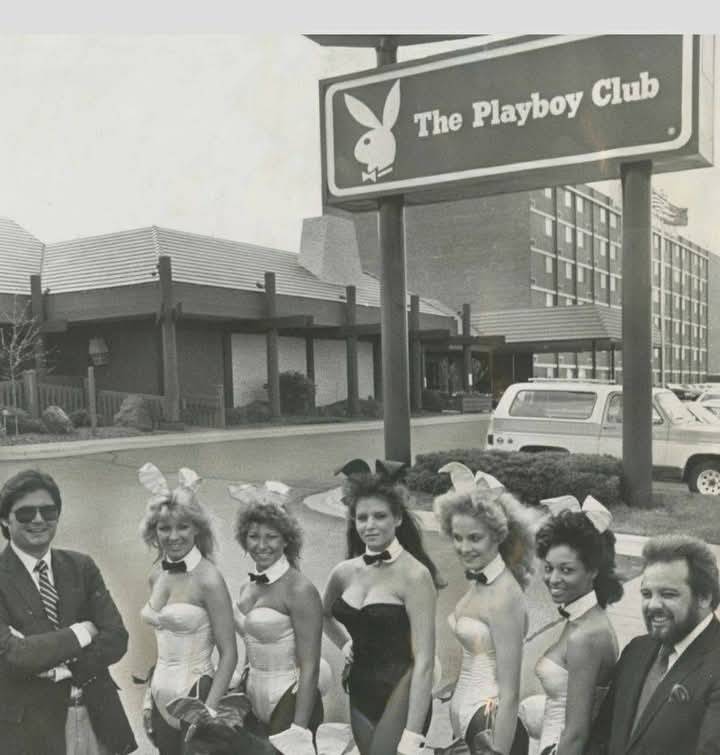
Playboy Club inside the Sheraton Hotel | 4888 S 118th St | 1980-87




1990s
Million Dollar Show Palace | 1991
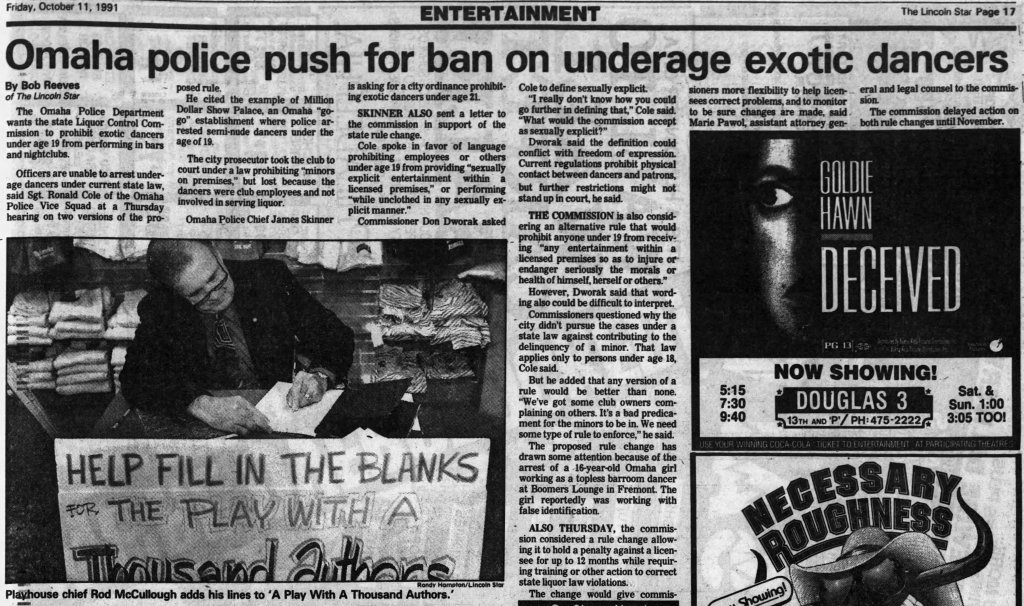
The City of Omaha outlawed underage exotic dancers in 1991 after an underage performer was arrested at the Million Dollar Show Palace in October 1991.
As Omaha moved into the 1990s, burlesque as a recognizable form had largely receded from the mainstream nightlife scene, replaced by neon-lit clubs and shifting entertainment norms. Yet the legacy of those decades—of performers who adapted, resisted, or reimagined their craft—laid the groundwork for the neo-burlesque revival that would emerge in the 2000s. In tracing the arc from feather fans to fog machines, we see not just a history of performance, but a story of resilience, reinvention, and the enduring allure of the stage.

Leave a comment