


In the golden age of television—where cowboys roamed and space rangers soared—there was also a spear-wielding queen who swung through the jungle with fierce grace. Her name was Irish McCalla, and while her reign as Sheena, Queen of the Jungle lasted just one season (1955–56), her image left an indelible mark on mid-century pop culture.

Born Nellie Elizabeth McCalla on Christmas Day, 1928, in the small town of Pawnee City, Nebraska, Irish’s path to stardom was as unconventional as her screen persona. She was discovered not in a casting call but while practicing spear-throwing on a beach in Malibu—a fitting beginning for someone who would become a visual shorthand for strength, sensuality, and exotic allure.

Pin-Up Model

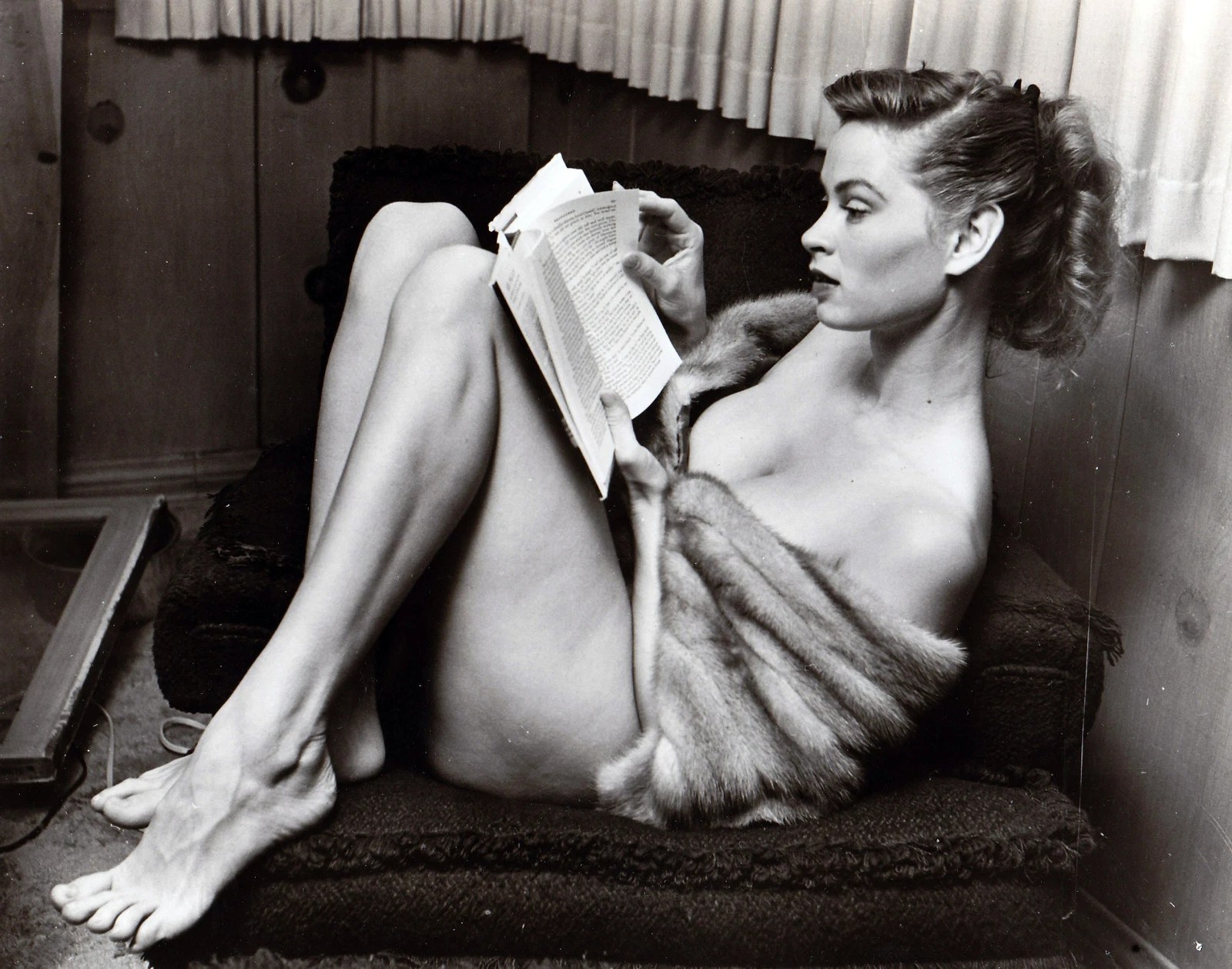
Before her jungle adventure, McCalla made a name for herself as a pin-up model, even posing for the legendary Alberto Vargas. She was a “Vargas girl.” She embodied that era’s tension between cheesecake allure and adventurous independence, straddling the line between fantasy and empowerment in ways still debated today.


A “Vargas Girl” refers to the iconic pin-up illustrations created by Alberto Vargas, a Peruvian-American artist whose work defined glamour for much of the 20th century. These images—sleek, airbrushed, and impossibly elegant—graced the pages of Esquire magazine during the 1940s and later Playboy in the ’60s and ’70s. Vargas Girls weren’t just cheesecake—they were cultural symbols, especially during World War II, when they adorned bomber planes, barracks walls, and GI lockers as morale-boosting muses.

Vargas’s style was instantly recognizable: long legs, soft curves, dreamy expressions, and a kind of idealized femininity that blended innocence with allure. While the women he painted were often anonymous, some were based on real-life models and actresses—including Irish McCalla, who posed for him during her modeling days.
In the context of burlesque and performance history, Vargas Girls helped codify a visual language of glamour that performers would riff on, reclaim, and reinvent. They’re part of the same constellation as Ziegfeld Follies showgirls, Hollywood starlets, and yes—jungle queens like Sheena.



Jungle Queens and Cheesecake Dreams


In the mid-20th century, the “jungle girl” archetype swung onto screens with wild abandon—part pulp fiction fantasy, part Cold War-era escapism. Characters like Sheena, Nyoka the Jungle Girl, and even comic heroines like Rima the Jungle Girl weren’t just adventurous—they were alluring, athletic, and almost always dressed in strategically torn animal print.


These portrayals fed into a broader trend of exoticized femininity, where strength was tempered by sensuality, and independence was made palatable through glamour. Enter the pin-up: a cultural phenomenon that straddled the wartime morale-booster and postwar domestic ideal. Women like Irish McCalla, who graced the pages of Vargas Girl illustrations and starred as Sheena, existed at the intersection of these visions—simultaneously wild and framed.

The jungle girl wasn’t just a costume—it was a genre shorthand, filled with colonial undertones and fantasies of feminine “savagery.” But in the hands of performers like McCalla, it also became a platform to subvert passivity. She didn’t wait to be rescued—she climbed, fought, and posed with confidence. As we revisit these tropes today, we’re invited to question what was projected onto these figures—and what they reclaimed for themselves.

Though Irish modestly claimed she “couldn’t act, but could swing through the trees,” McCalla’s physicality and towering stature (she stood nearly six feet tall) helped redefine what women could look like on screen. Sheena wasn’t just a damsel in animal print; she was the action.
After Sheena, McCalla took on B-movie roles in She Demons (1958) and Hands of a Stranger (1962), maintaining a steady presence in the fringe corners of genre cinema.
Irish McCalla & Grindhouse Cinema
She Demons (1958)


Her Legacy
However, Irish didn’t chase the spotlight forever. Later in life, she turned to painting, focusing on Western-themed oil works and collectible plates—her second act as an artist reflective, perhaps, of a quieter strength.


Irish McCalla passed away in 2002, but she remains a totem of a very specific archetype: the wild woman, untamed but photogenic, strong but soft. In many ways, Sheena—and McCalla herself—walked a tightrope familiar to many women performers of the mid-century era, especially those with beauty that threatened to upstage their brains or brawn.

Her story is worth telling not just for its spectacle, but for what it reveals about American entertainment’s ongoing love affair with the myth of the “exotic” woman. Irish McCalla wasn’t just playing Sheena—she was making history, vine by vine! Irish died February 1, 2002.
Sources
- https://en.wikipedia.org/wiki/Irish_McCalla
- http://terrororstralis.com/sheena/irish/galleries/galleries2.htm
- http://terrororstralis.com/sheena.htm
- https://www.vintag.es/2022/03/irish-mccalla.html#google_vignette
- http://terrororstralis.com/sheena/irish/biography/modelling06.htm
- https://bigdamnspider.com/2017/11/20/she-demons-1958/
Leave a Reply