

Before she became a household name as Lily Munster, Yvonne De Carlo was a determined young woman chasing dreams from the dance halls of Vancouver to the glittering studios of Hollywood. Her journey is one of resilience, glamour, and undeniable talent.
Early Life
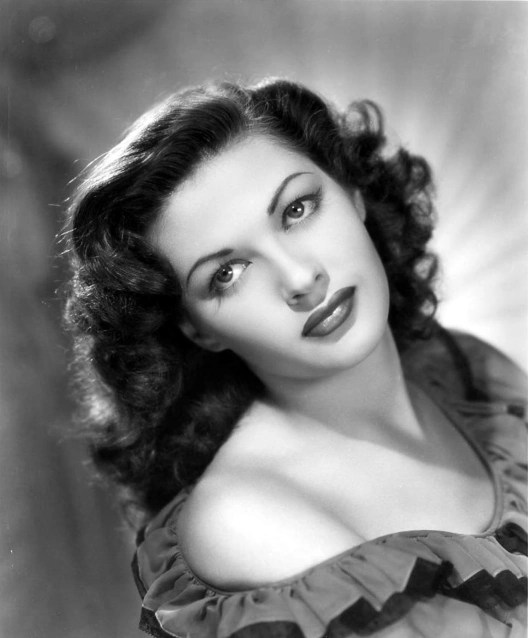
Born Margaret Yvonne Middleton on September 1, 1922, in Vancouver, British Columbia, De Carlo was raised by her mother, Marie, after her father abandoned the family when she was just three years old. Marie, herself a former dancer, was determined to see her daughter succeed in show business. She enrolled Yvonne in dance classes at an early age and nurtured her artistic talents through singing lessons and school performances. When she was a child, her mother enrolled her in the June Roper School of the Dance in Vancouver.
Yvonne’s childhood was marked by financial hardship, but her mother’s unwavering support and ambition helped her develop the drive to pursue a career in entertainment. By her teens, she was performing in local revues as a dancer and had her sights set on Hollywood! In May 1939, a Variety news item listed “Yvonne de Carlo” as one of the performers at the opening of Hy Singer’s Palomar ballroom (also known as Palomar Supper Club) in Vancouver. (Raz’s Midnight Macabre)

Burlesque Beginnings

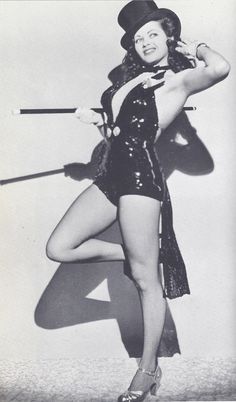
In the early 1940s, Yvonne De Carlo and her mother moved to Los Angeles, determined to break into show business. After winning second place in the Miss Venice beauty contest, Yvonne caught the attention of a talent scout who encouraged her to audition for the famed Earl Carroll Theatre on Sunset Boulevard—a hotspot for glamorous revues and burlesque performances.
Excited by the opportunity, Yvonne and her mother arrived at the theatre, only to be met with disappointment. The audition quickly turned sour when it became clear that Carroll’s interest was less about talent and more about physical appearance. According to accounts, he asked to inspect her “upper assets,” a request that deeply offended both Yvonne and her mother. They left the audition immediately, disillusioned but undeterred.

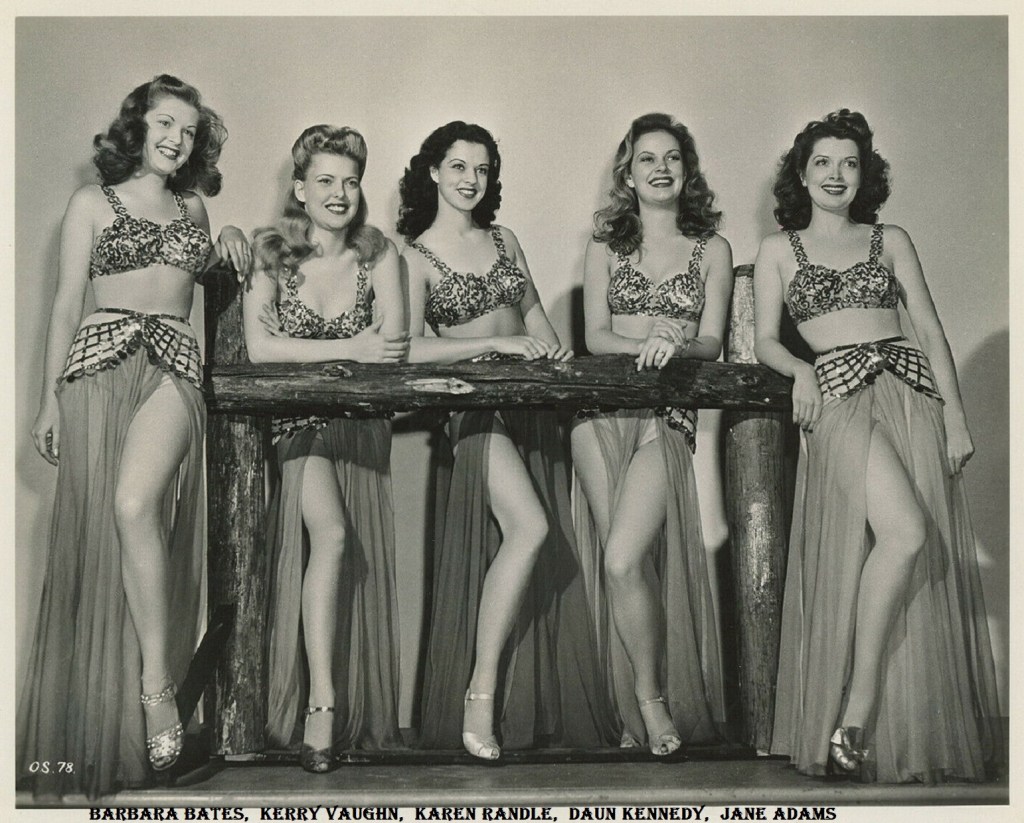

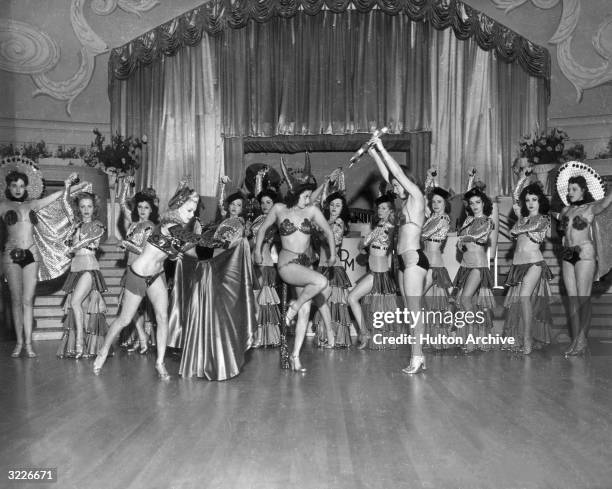
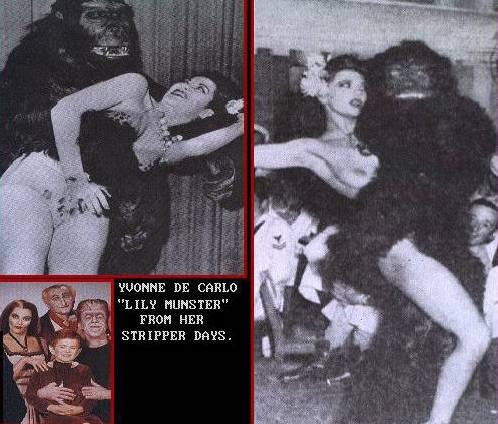
Determined to find a more respectful venue, they went straight to the rival Florentine Gardens nightclub. There, Yvonne found a more welcoming environment and began performing in chorus lines. Her acts were playful and theatrical, including a memorable “King Kong number” where she danced and was carried offstage by a gorilla. These performances helped her build a reputation and eventually led to her first film roles.
Hollywood Stardom
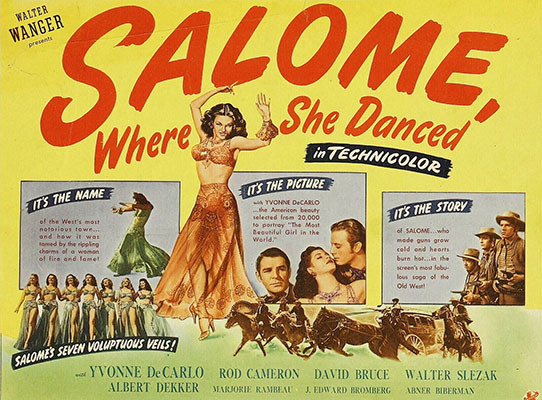
Yvonne’s first credited lead role came in Deerslayer (1943), but it was Salome, Where She Danced (1945) that catapulted her to stardom. Universal Pictures marketed her as “the most beautiful girl in the world,” and the film’s success led to a five-year contract with the studio.
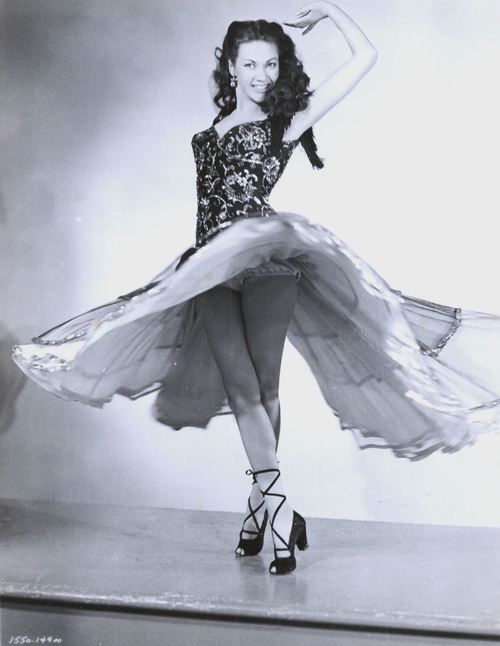


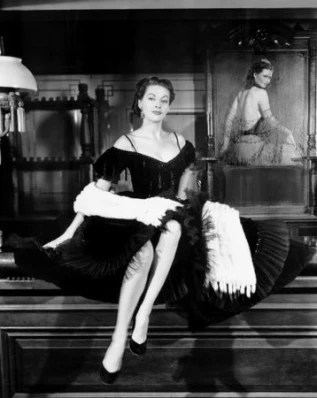


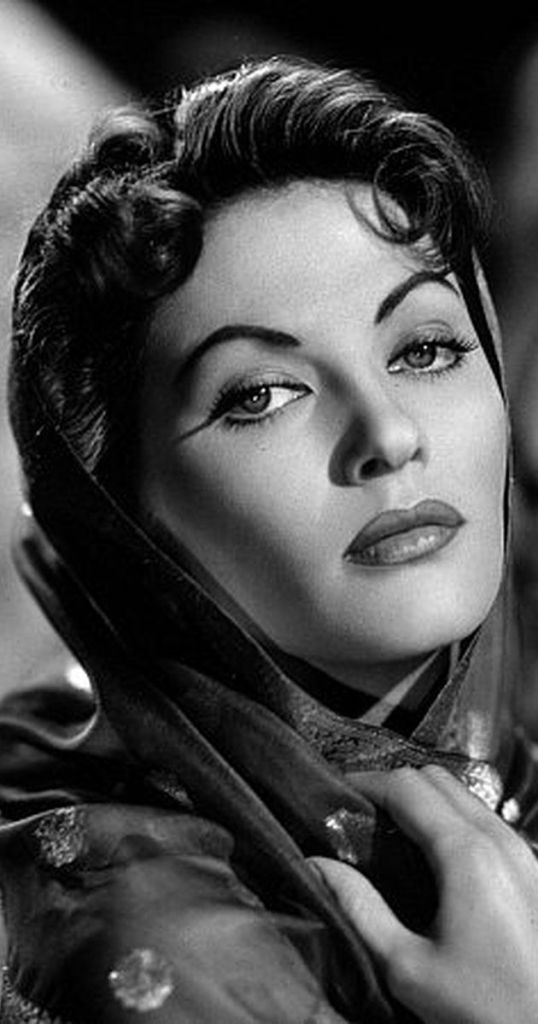
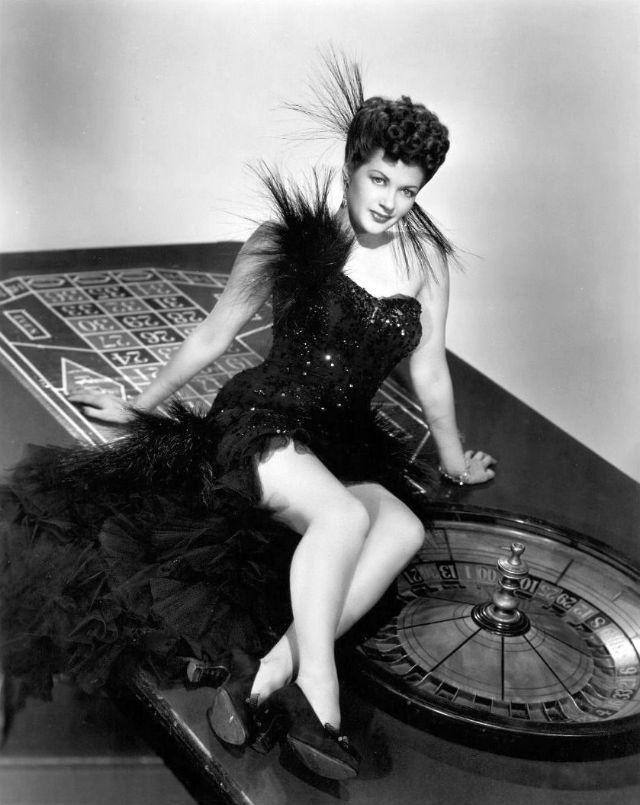
‘Salome, Where She Danced’ 1945


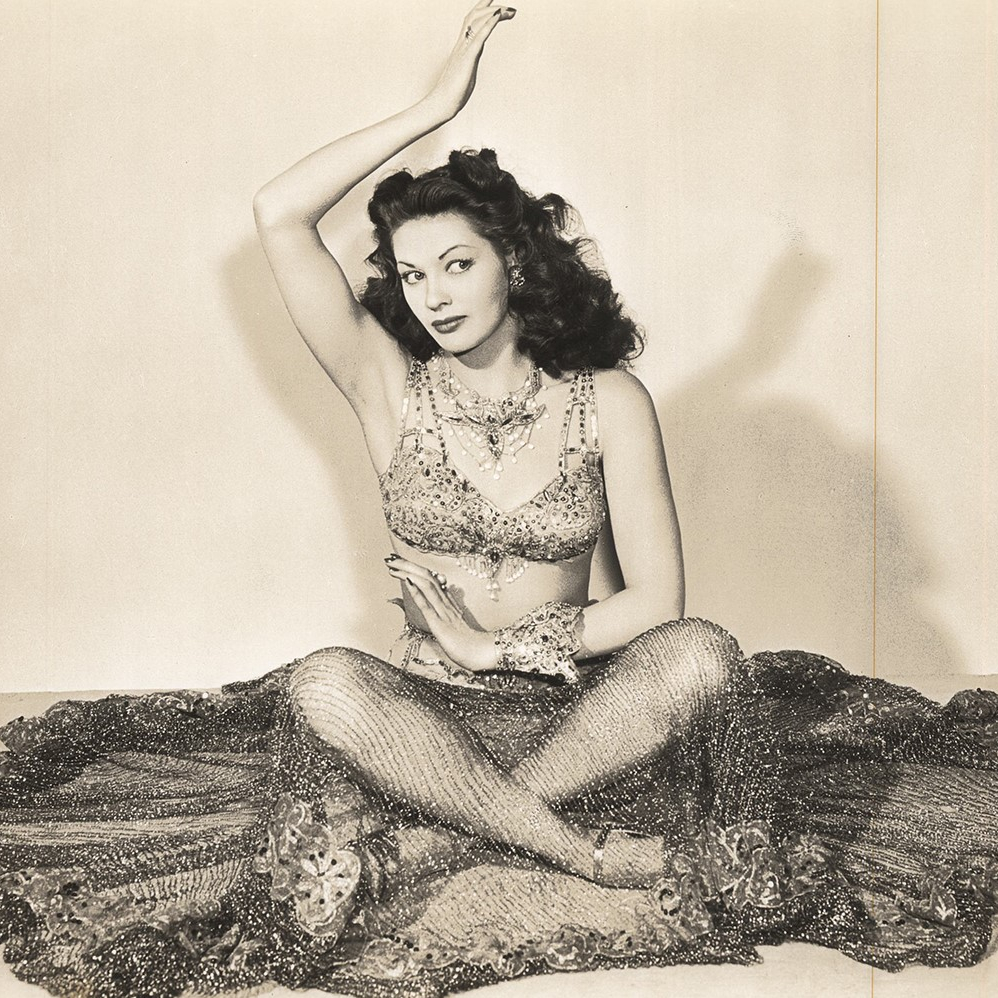
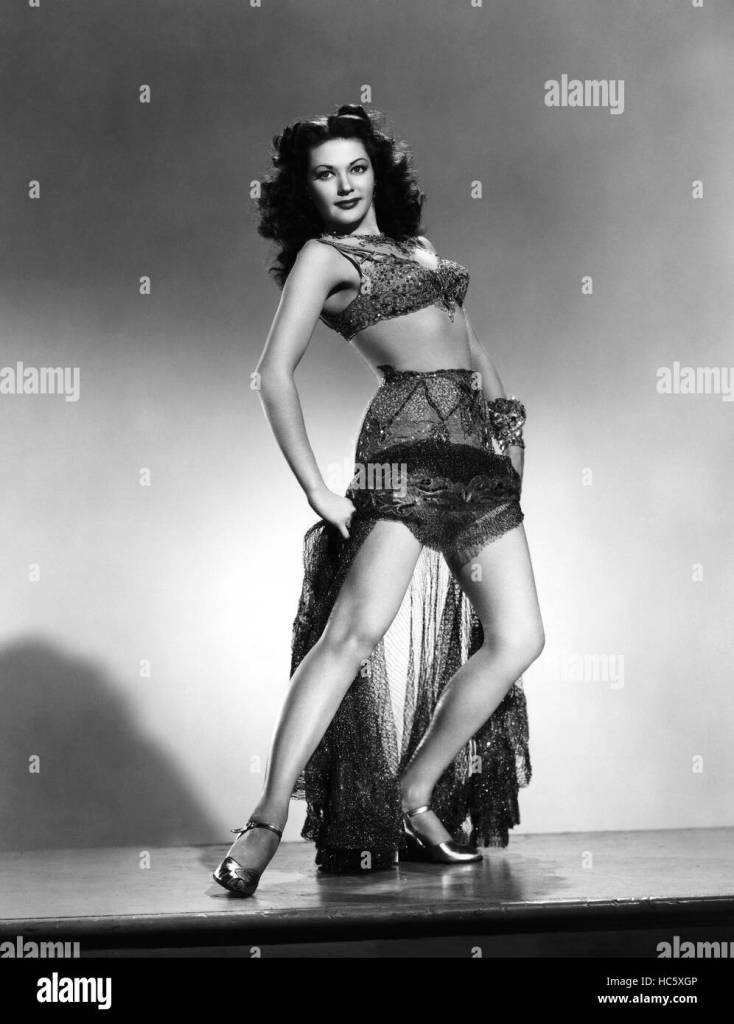

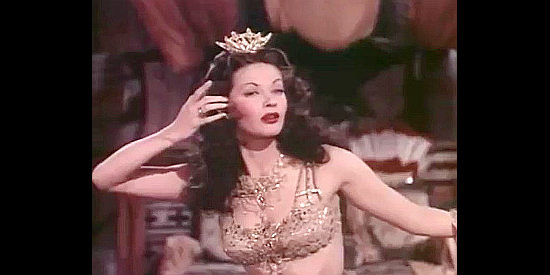
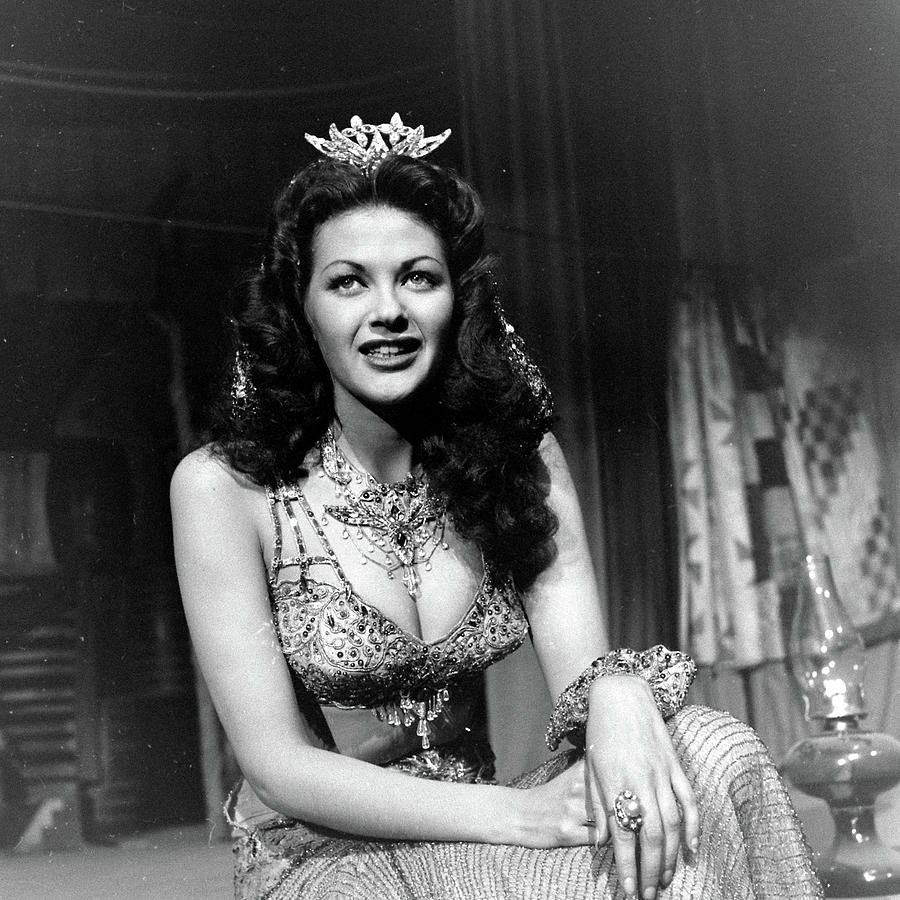


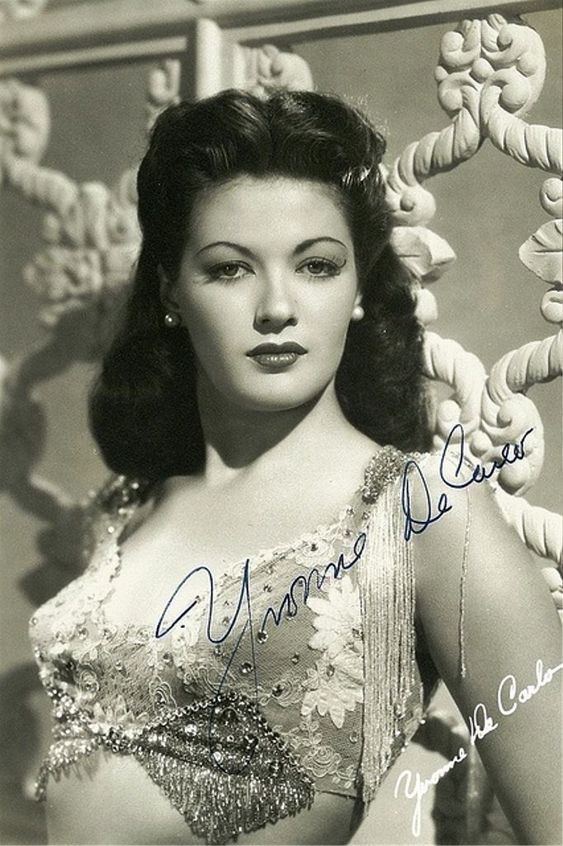

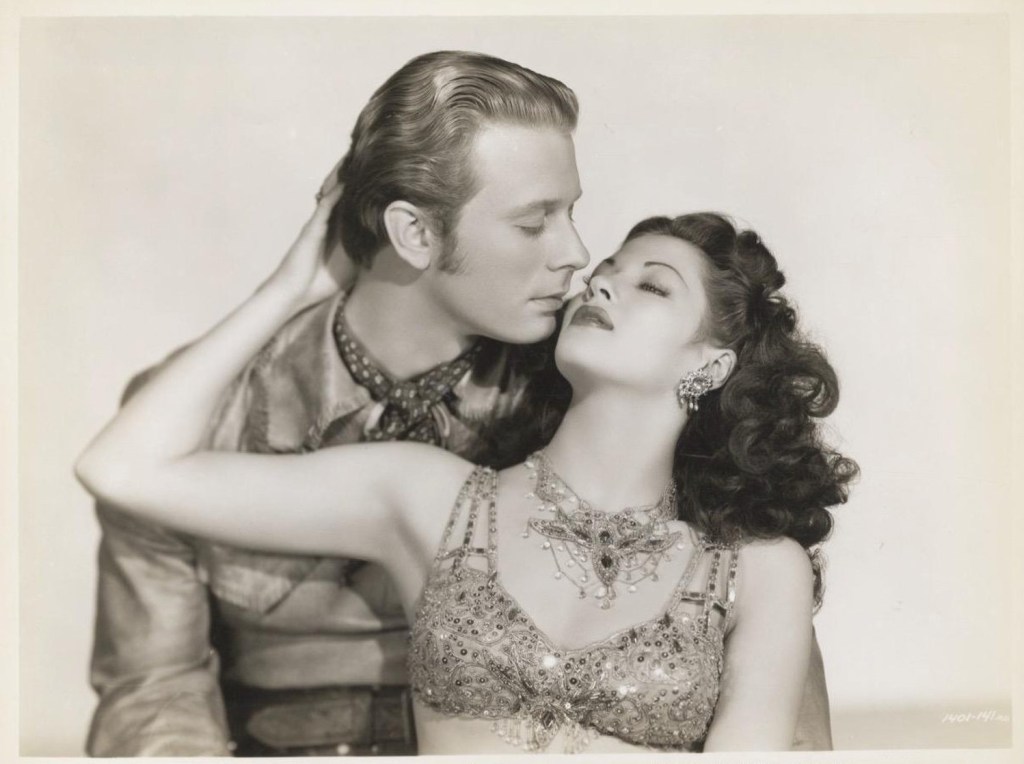
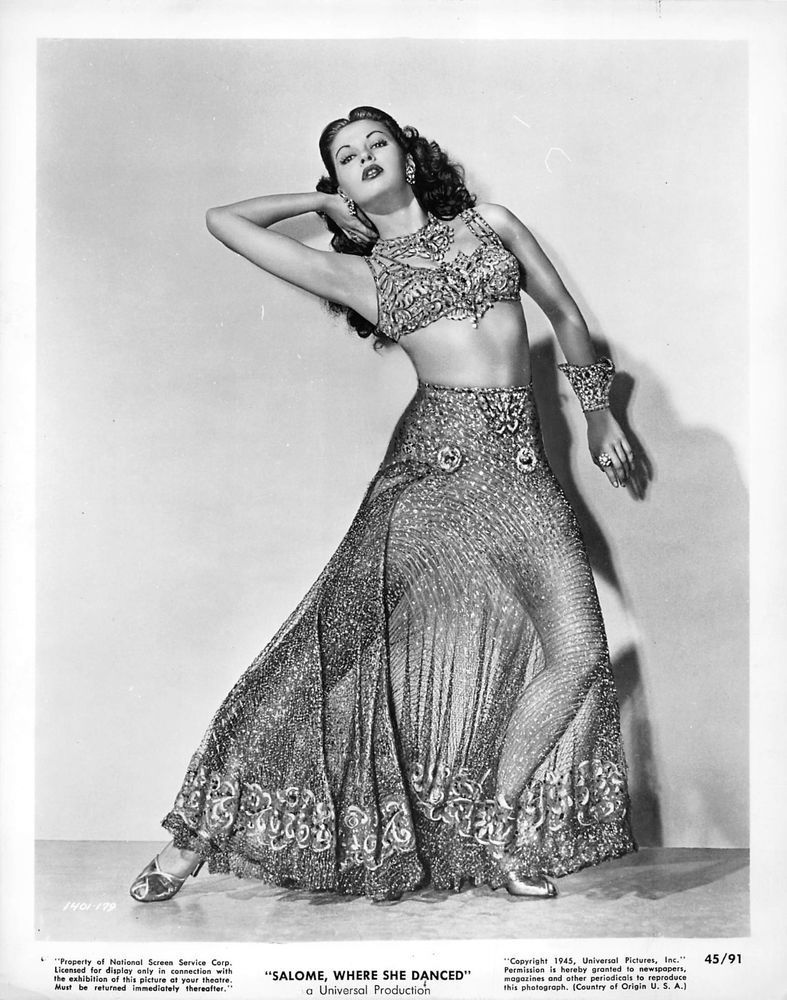
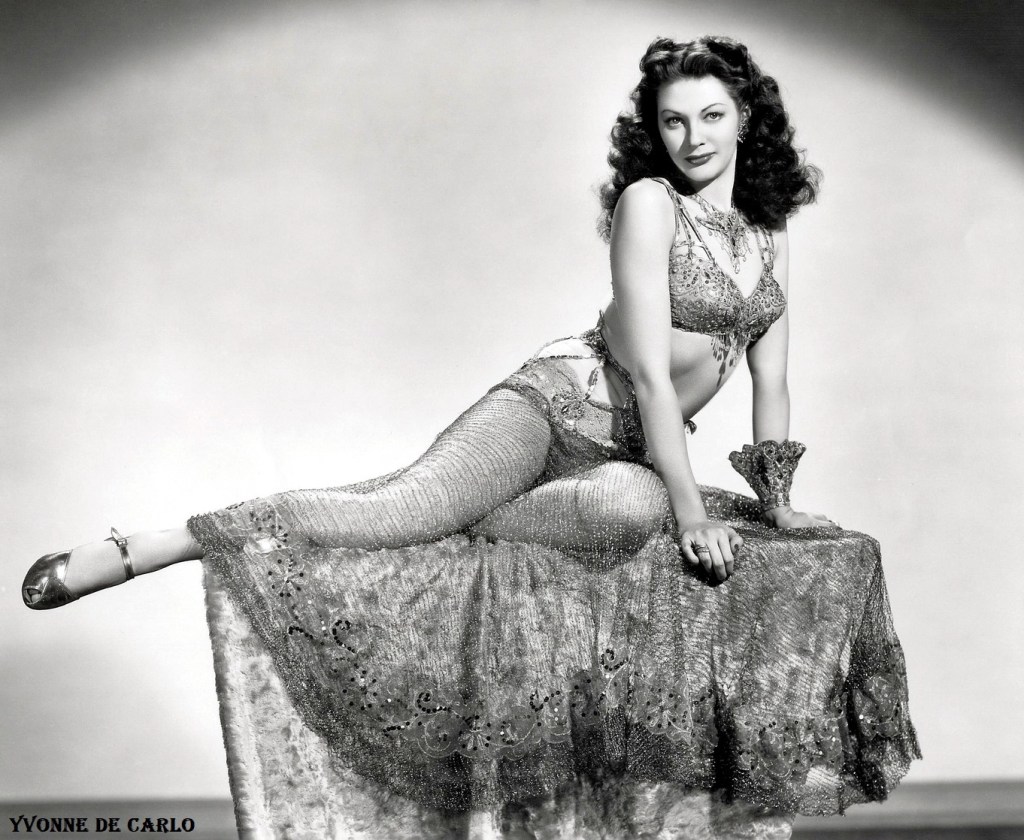


Yvonne not only performed a ‘Salome’ act, she also performed a ballet en pointe, emerging from a large clam shell.
Watch the full movie below:
Throughout the late 1940s and 1950s, De Carlo became known for her roles in Technicolor adventures and exotic dramas, including Frontier Gal (1945), Song of Scheherazade (1947), Slave Girl (1947), and Casbah (1948). Cameramen even voted her “Queen of Technicolor” three years in a row.
Song of Scheherazade (1947)

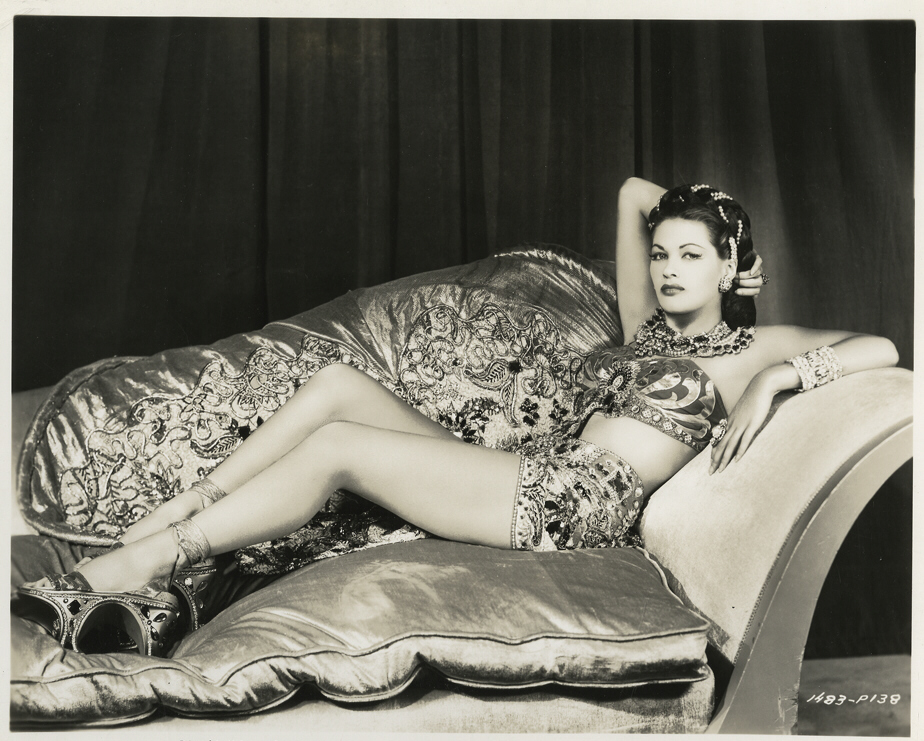
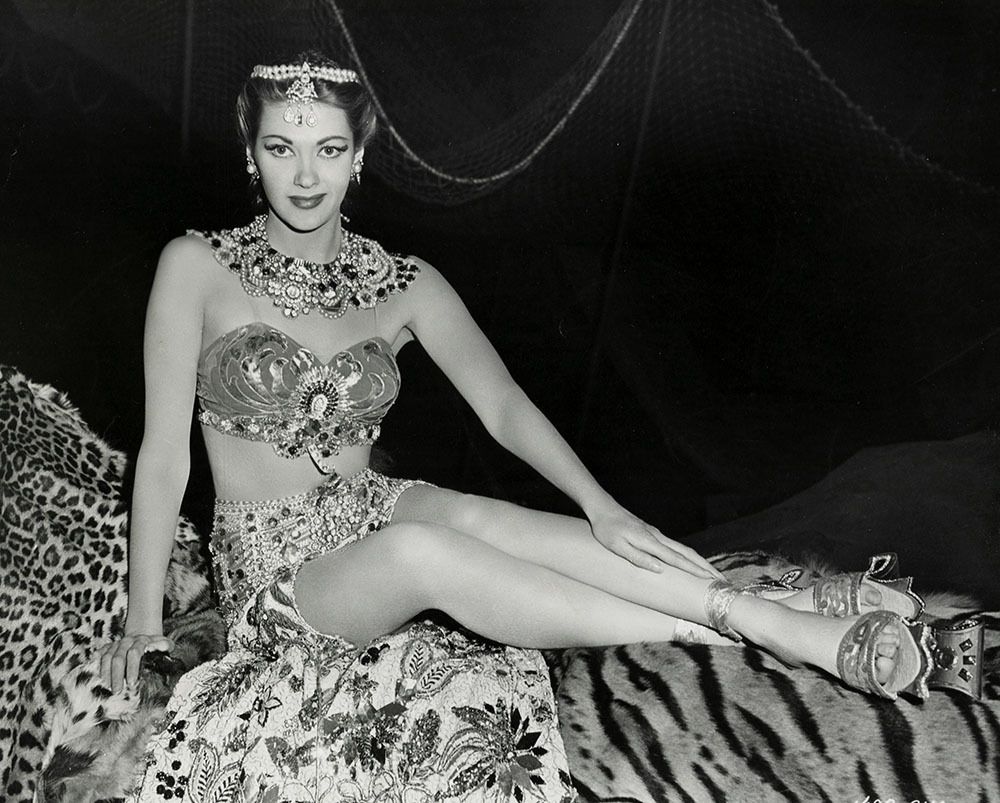


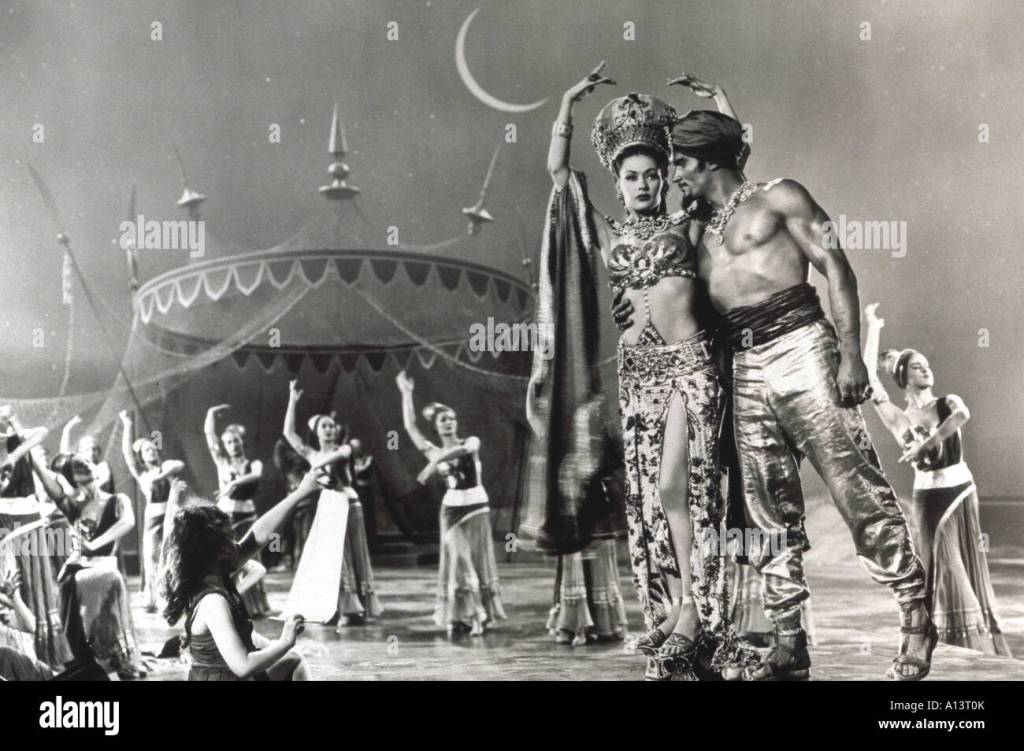


Slave Girl (1947)


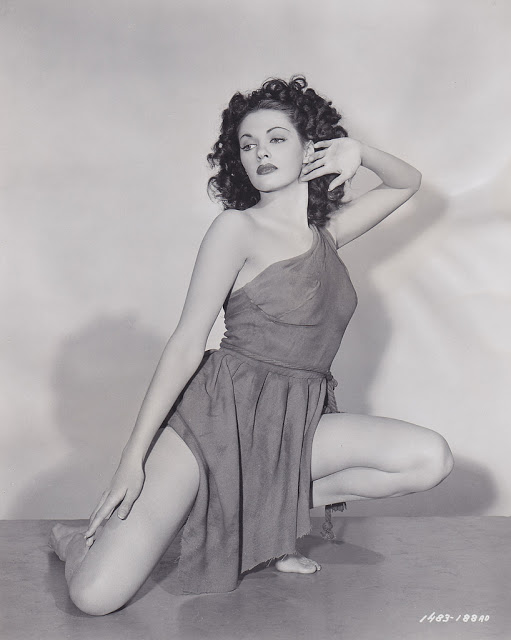


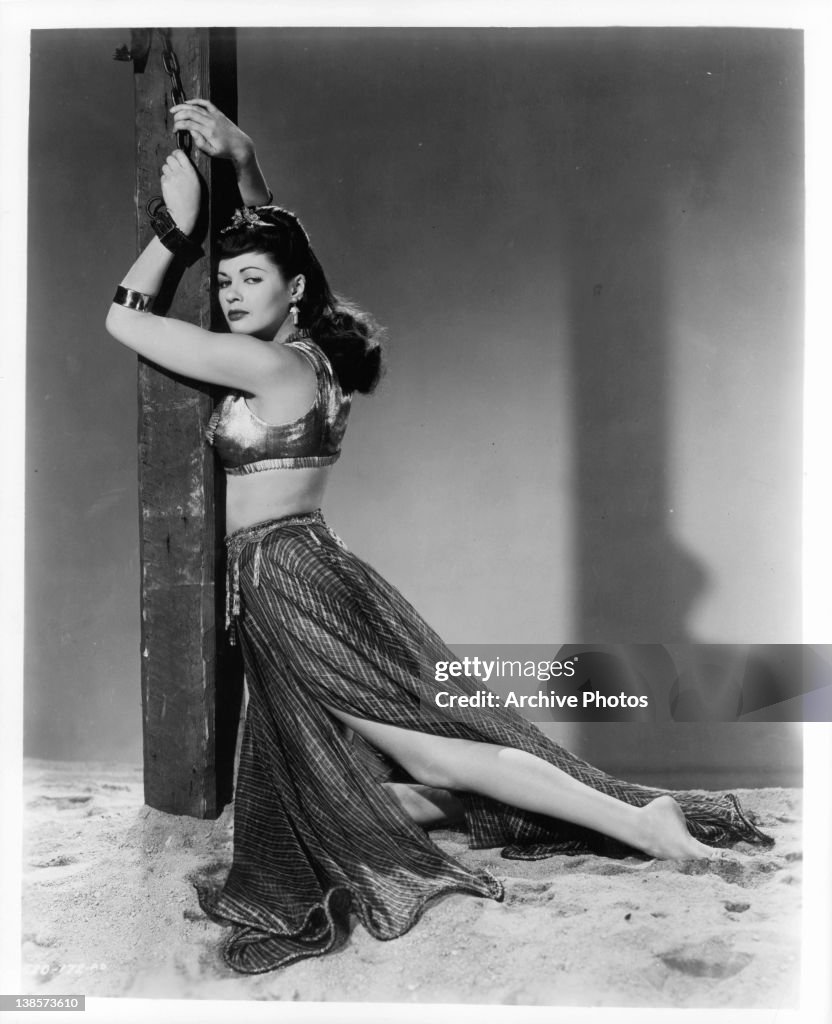
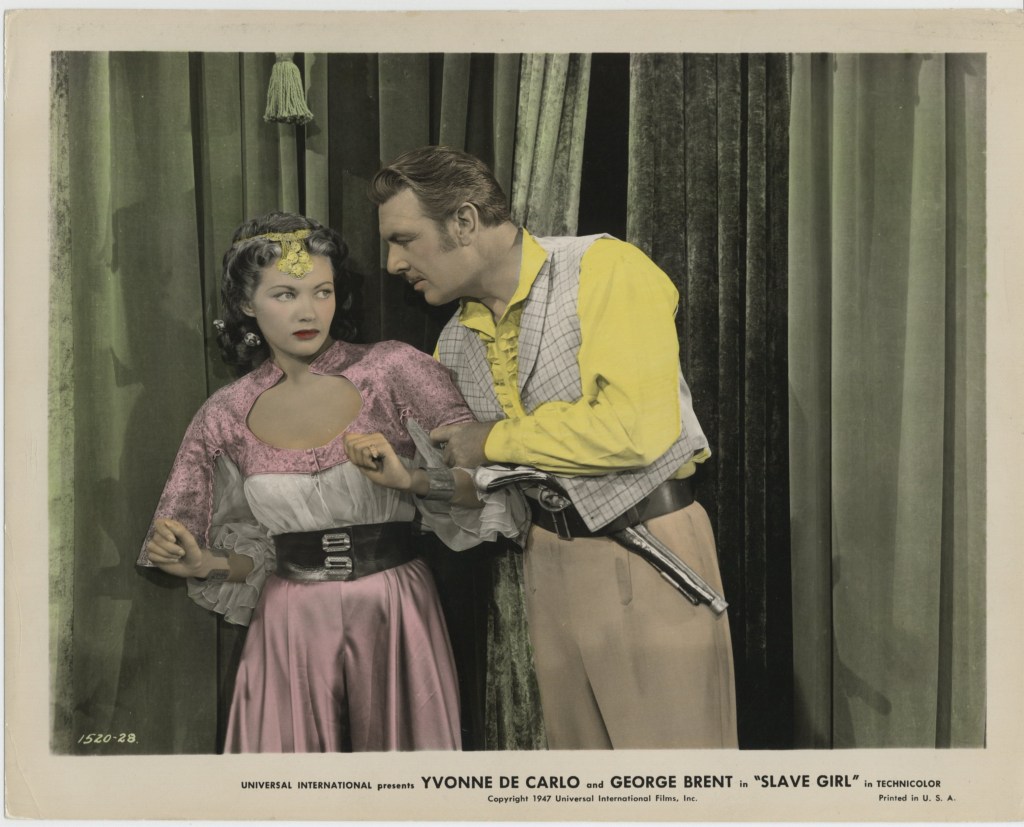

Hotel Sahara (1951)

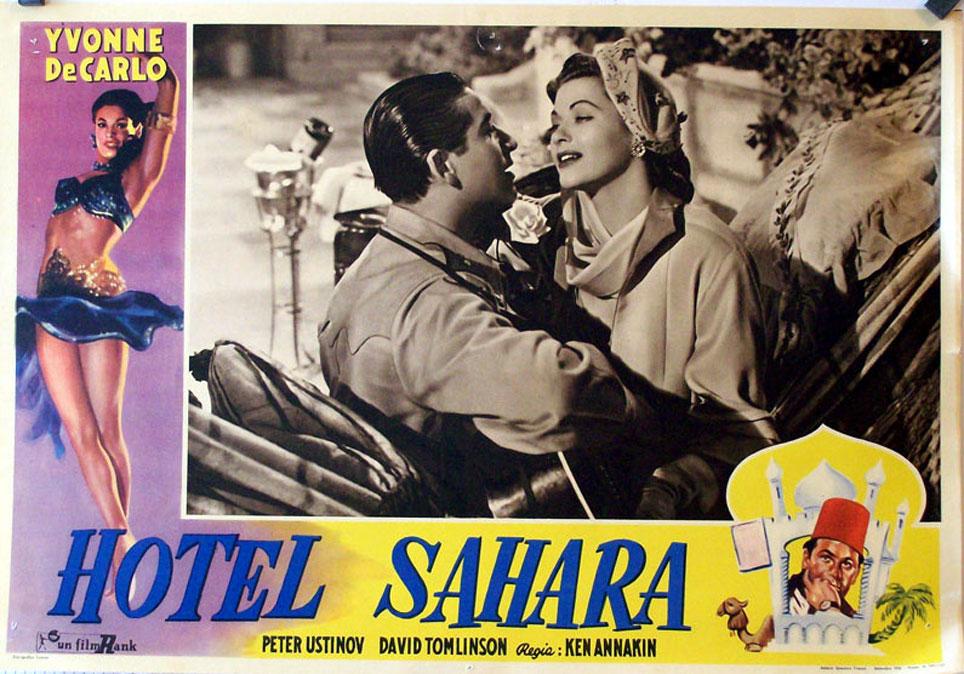
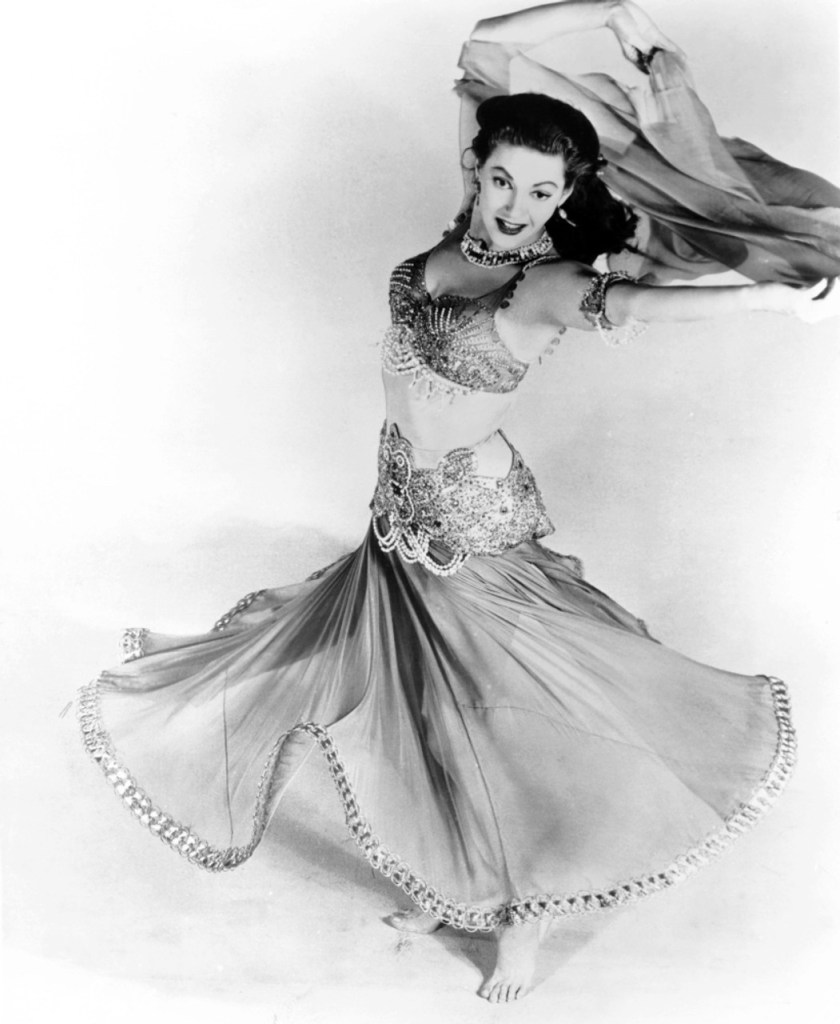


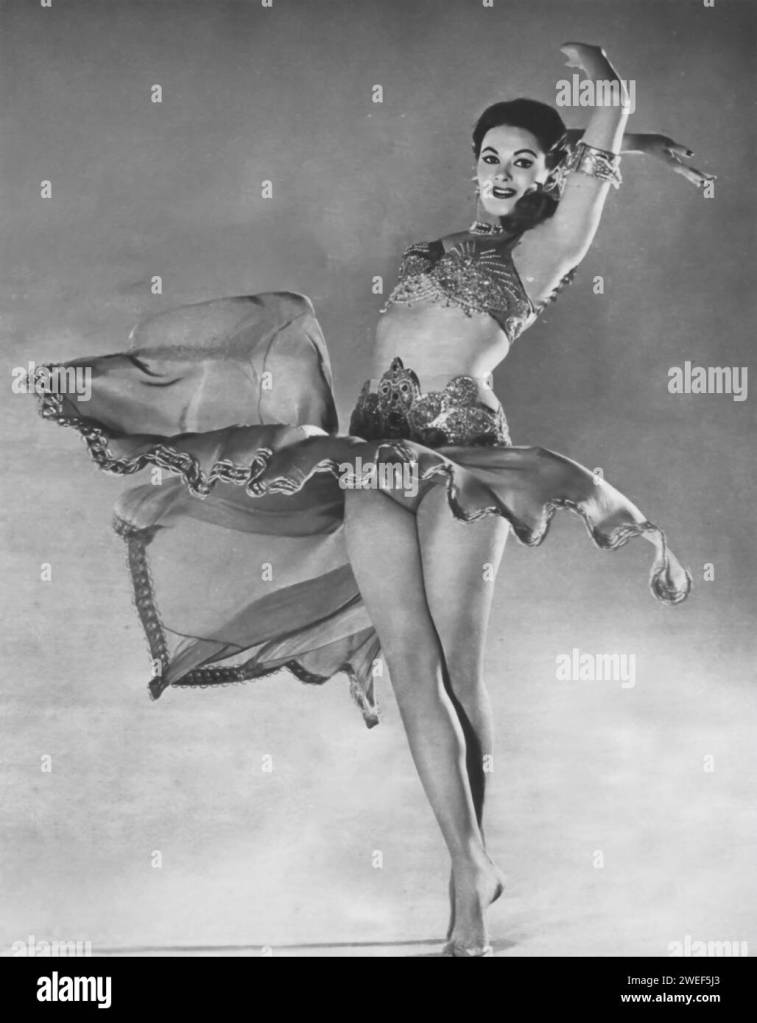

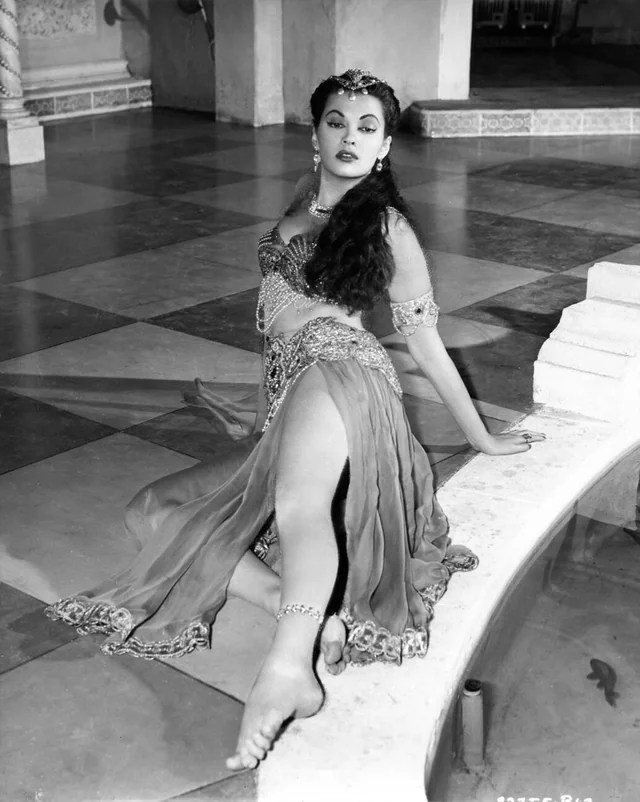
She broke away from typecasting with powerful performances in film noirs like Brute Force (1947) and Criss Cross (1949), showcasing her dramatic range. Her career peaked with her role as Sephora, Moses’ wife, in Cecil B. DeMille’s epic The Ten Commandments (1956), earning her a Laurel Award for Topliner Supporting Actress.
The Dancing Dolls of Burlesque (1946)
Yvonne was featured in the burlesque shorts The Dancing Dolls of Burlesque. In 1946 she performed two acts: “Death Dance of the Virgin” and “The Pearl of Baghdad.” Other famous burlesque performers were also featured, such as Sunny Ray in “A Ray of Sunshine”, Jill La Ray in “The Torrid Temptress”, Patty Long in “The Pacific Pin-up Girl” and Jean King in “The Blonde Venus”.
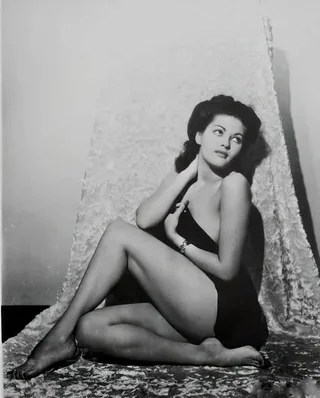
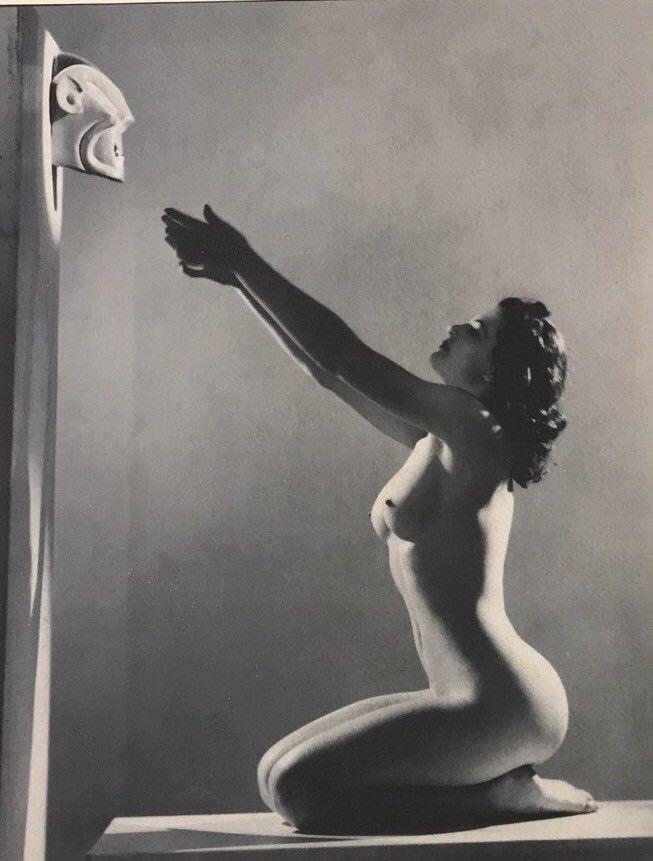
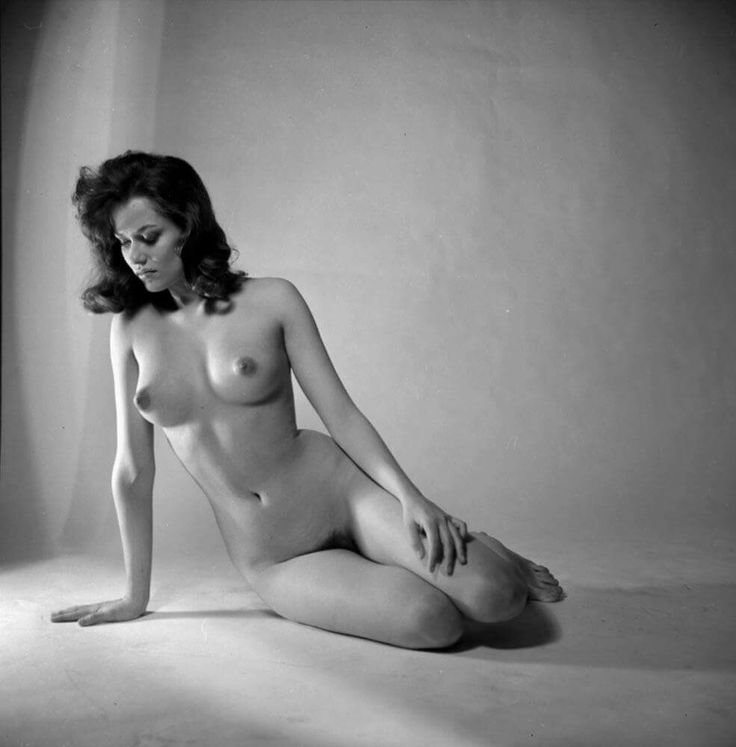
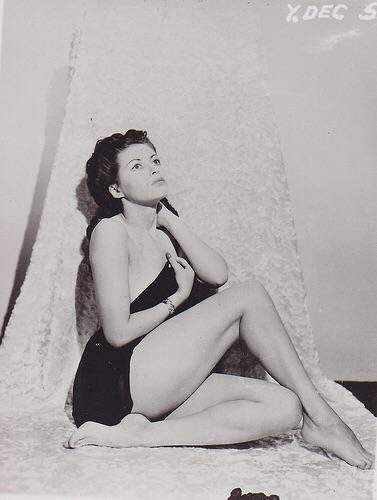
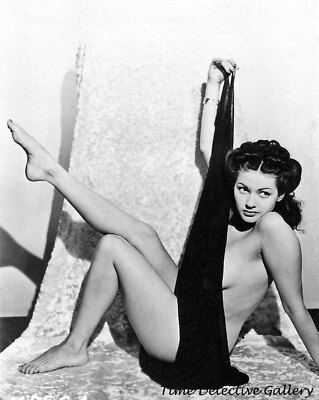
Posing Nude
Marriage & Tragedy
Yvonne De Carlo married Robert Drew Morgan on November 21, 1955. Robert was a professional stuntman whose career—and life—was dramatically altered by a devastating accident.
In 1962, while filming the epic Western How the West Was Won, Morgan was performing a dangerous stunt involving a train and a burning wagon. He was supposed to be pulled away by a safety harness before the train made impact, but the mechanism failed. As a result, Morgan was dragged under the train and crushed by the wheels and logs loaded on the flatcar. He suffered catastrophic injuries, including multiple fractures and severe trauma to his face, spine, and pelvis. His left leg had to be amputated above the knee.
At the time of the accident, De Carlo and Morgan were on the brink of divorce. However, the tragedy brought them back together. De Carlo later said, “Before the accident, we were on the verge of breaking up, but when they took me to the hospital I just choked up and only one thought filled my mind: I don’t want my husband to die.”
The couple faced overwhelming medical bills, and De Carlo’s role as Lily Munster helped provide financial stability during this difficult period. They remained married until 1973 and had two sons together, Michael and Bruce, as well as a stepdaughter, Bari Morgan. Morgan’s accident ended his stunt career, but he continued acting in smaller roles and became an advocate for disabled performers. He passed away in 1999 at the age of 82.
Becoming Lily Munster
By the early 1960s, Yvonne De Carlo’s film career had slowed, and personal challenges—including her husband’s devastating accident—left her seeking financial stability. When offered the role of Lily Munster in CBS’s new sitcom The Munsters, De Carlo hesitated. The idea of playing a vampire matriarch in a horror-comedy, complete with green makeup and hollow cheeks, seemed a far cry from the glamorous roles she had once commanded in Technicolor epics.
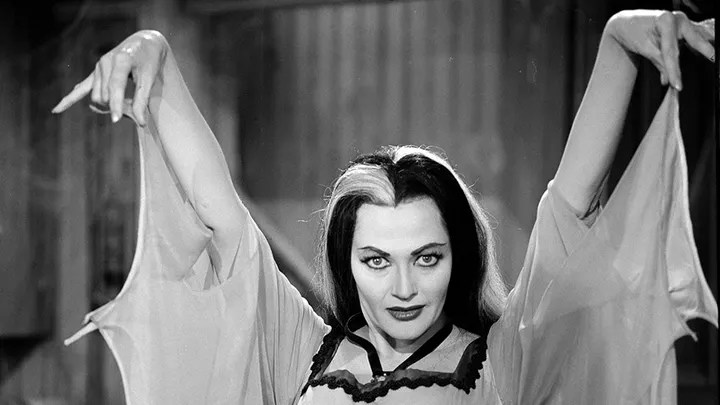

Despite her reservations, De Carlo accepted the role, trusting her agent’s advice. The show, which aired from 1964 to 1966, was a quirky blend of The Donna Reed Show and Universal’s classic monster films. Lily Munster was the elegant, undead matriarch of 1313 Mockingbird Lane, married to Herman Munster (a Frankenstein-like figure played by Fred Gwynne), and mother to Eddie Munster (a werewolf boy). Her father, Grandpa (Al Lewis), was a vampire, and her niece Marilyn was the only “normal” one in the family—much to their concern.
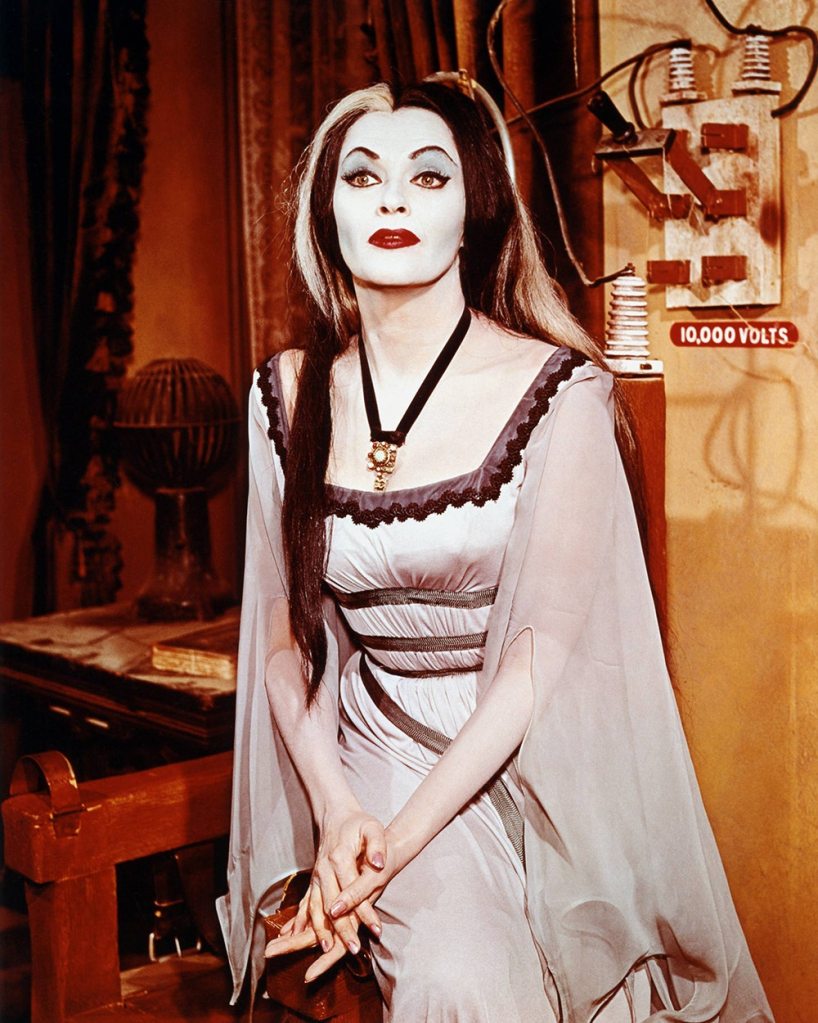
De Carlo brought a unique blend of warmth, wit, and theatrical flair to Lily. She modeled her performance on Donna Reed, aiming to portray Lily as a loving, composed housewife—albeit one who spread garbage around the house and vacuumed in reverse to blow dust around their gothic mansion. Her costume—a flowing pale gown, bat-shaped necklace, and coffin-lining cape—added to the character’s eerie charm.

Initially, De Carlo struggled to adjust to the fast-paced world of television and clashed with her co-stars, who were wary of her movie star status. But tensions eased, and the cast developed a strong camaraderie. Fred Gwynne and Al Lewis later admitted they had misjudged her, and De Carlo became an integral part of the show’s success.

Lily Munster wasn’t just a comedic character—she was a symbol of maternal strength and gothic glamour. De Carlo’s portrayal helped elevate the show beyond mere parody, giving it heart and depth. Though The Munsters lasted only two seasons, its impact endured through decades of reruns, and Lily Munster became one of the most beloved characters in classic television history.
The Final Bow
Yvonne De Carlo’s journey from burlesque dancer to Hollywood star and beloved TV icon is a testament to her versatility and resilience. The confidence she gained performing in nightclubs—draped in veils and commanding the stage—never left her. It shaped the poise she brought to Technicolor adventures and the humor she infused into Lily Munster.
In her later years, De Carlo had suffered a stroke in 1998 and lived in semi-retirement near Solvang, north of Santa Barbara. Despite health challenges, she remained a beloved figure in Hollywood, remembered not only for her glamorous film roles but also for her iconic portrayal of Lily Munster on television. Yvonne De Carlo passed away on January 8, 2007, at the age of 84. She died of heart failure.
Though her roles changed, the spirit of burlesque—bold, theatrical, and unapologetically expressive—remained at the heart of her performances. Yvonne De Carlo didn’t just adapt to the spotlight; she owned it, every step of the way.
Sources
- https://moviecraft.tripod.com/latenite2.html
- https://en.wikipedia.org/wiki/Yvonne_De_Carlo
- https://www.thefamouspeople.com/profiles/yvonne-de-carlo-11184.php
- https://www.theshot.com/actors/facts-about-yvonne-de-carlo-1725546480
- https://www.womansworld.com/entertainment/classic-tv/yvonne-de-carlo
- https://en.wikipedia.org/wiki/Lily_Munster
- https://razs-midnight-macabre.com/2019/05/13/icon-of-the-month-yvonne-de-carlo/
- https://doms2cents.com/robert-drew-morgan-cause-of-death-the-tragic-accident-that-ended-his-career/
- https://news.amomama.com/261200-the-munsters-star-yvonne-de-carlos-husba.html
- https://www.closerweekly.com/posts/yvonne-de-carlo-overcame-career-trouble-and-marital-woes/


Leave a comment