

Sugar Babies, a Broadway musical, debuted in 1982. The show brought together a mix of comedic sketches and musical performances, featuring various classic songs. Known for its unique combination of talent and nostalgia, it became a notable production in the theatrical landscape of its time.
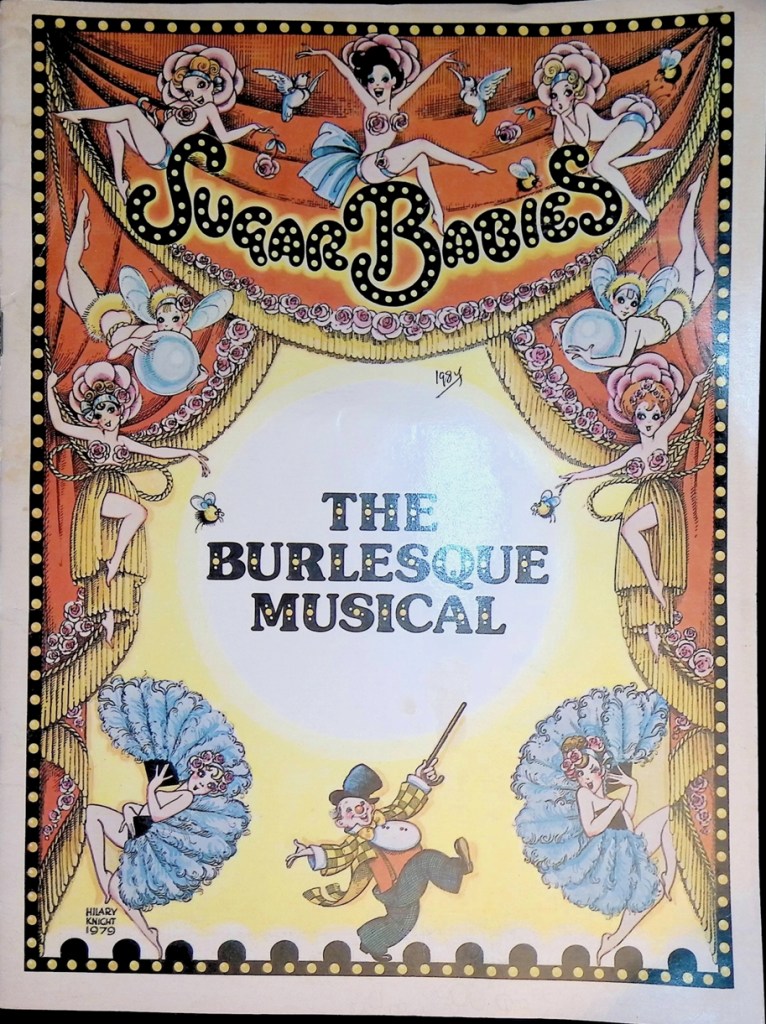
Ralph G. Allen and the Birth of Sugar Babies
The origins of Sugar Babies trace back to the scholarly work of Ralph G. Allen, a theatre historian whose fascination with early American burlesque began in the 1960s. Supported by a research grant, Allen spent years collecting scripts, interviewing surviving performers, and reconstructing the comedic structures of the Columbia and Mutual Burlesque circuits. According to an Australian theatre retrospective, the show had “an unlikely beginning” — it grew out of a scholarly paper Allen presented at a historians’ conference, where he demonstrated how burlesque sketches functioned as a distinct theatrical language. His archival deep‑dive preserved material that otherwise might have vanished, and it provided the raw comedic and structural backbone that would eventually become Sugar Babies.
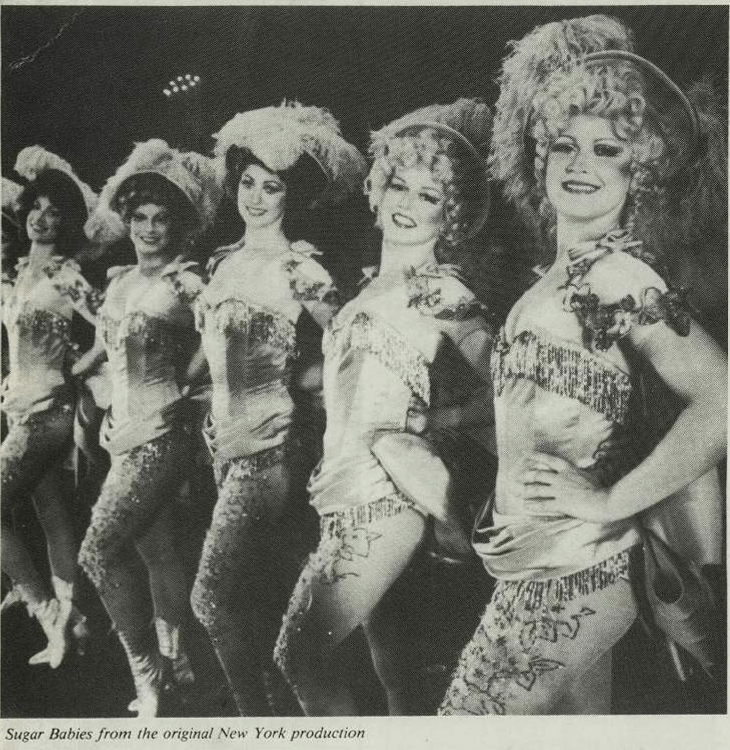
It was at that conference that Broadway producer Harry Rigby recognized the theatrical potential of Allen’s research. Rigby approached Allen with the idea of transforming the academic material into a full‑scale musical revue, combining Allen’s historical authenticity with Rigby’s commercial instincts. Together, they conceived Sugar Babies as a loving tribute to classic burlesque — a show built from traditional sketches, vintage songs, and the stylistic rhythms Allen had unearthed in his research. Their collaboration fused scholarship and showmanship, resulting in a production that honored burlesque’s past while giving it new life on the Broadway stage.
A Burlesque Love Letter
When Sugar Babies premiered on Broadway on October 8, 1979, it wasn’t just another musical revue — it was a glittering, unapologetic resurrection of early 20th‑century American burlesque. Conceived by Ralph G. Allen and Harry Rigby, with music by Jimmy McHugh and lyrics by Dorothy Fields and Al Dubin, the show pulled its DNA directly from the Columbia and Mutual Burlesque circuits that dominated the 1905–1930 era. The show ran for nearly three years at the Mark Hellinger Theatre before closing on August 28, 1982, earning warm reviews and a devoted audience hungry for nostalgia.
Starring the powerhouse duo Mickey Rooney and Ann Miller, Sugar Babies leaned into the classic burlesque formula: bawdy sketches, razor‑sharp comedians, leggy chorus lines, and a wink that said, “We know exactly what we’re doing.” It was a tribute, yes — but also a reclamation. At a time when burlesque was still widely misunderstood as little more than striptease, the show insisted on honoring the full craft: the timing, the satire, the musicality, the physical comedy, the sheer theatricality of it all.
The show’s success sparked multiple touring productions, including a major 1984 tour that reunited Rooney and Miller, followed by international stagings in Australia (1987) and London’s West End (1988). Each iteration carried the same mission: to remind audiences that burlesque was — and always had been — a legitimate American art form.
A Bridge Between Burlesque Eras
The end of classic burlesque
By the 1970s, the original burlesque circuits were long gone. Many of the performers Allen interviewed in the 1960s were aging out of public memory. Their stories, jokes, and choreographies were at risk of disappearing.
The rise of neo‑burlesque
The neo‑burlesque revival wouldn’t fully ignite until the 1990s and early 2000s, but Sugar Babies helped keep the embers warm. It reintroduced audiences to the aesthetics and rhythms of burlesque at a time when few mainstream productions were willing to touch the form.
In many ways, Sugar Babies functioned as a cultural archive — a living museum piece that preserved the bones of burlesque so future generations could build on them.
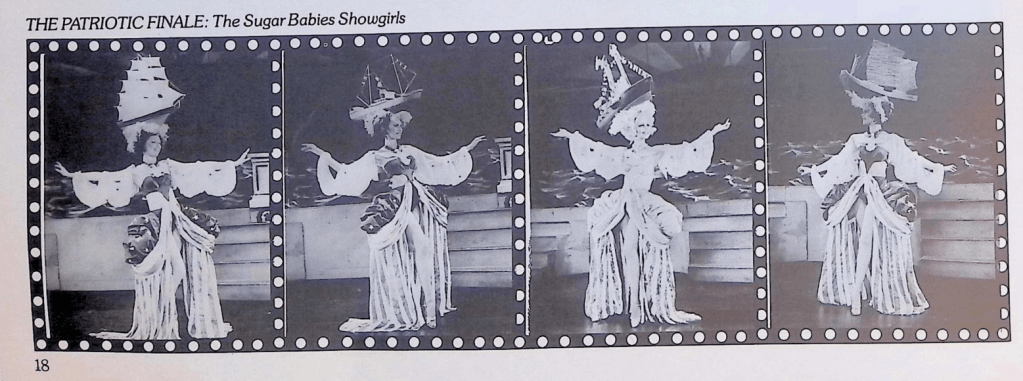
The Acts
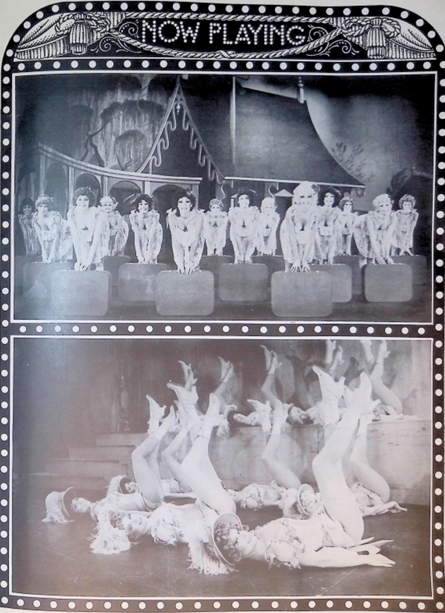
Classic Burlesque Sketches:
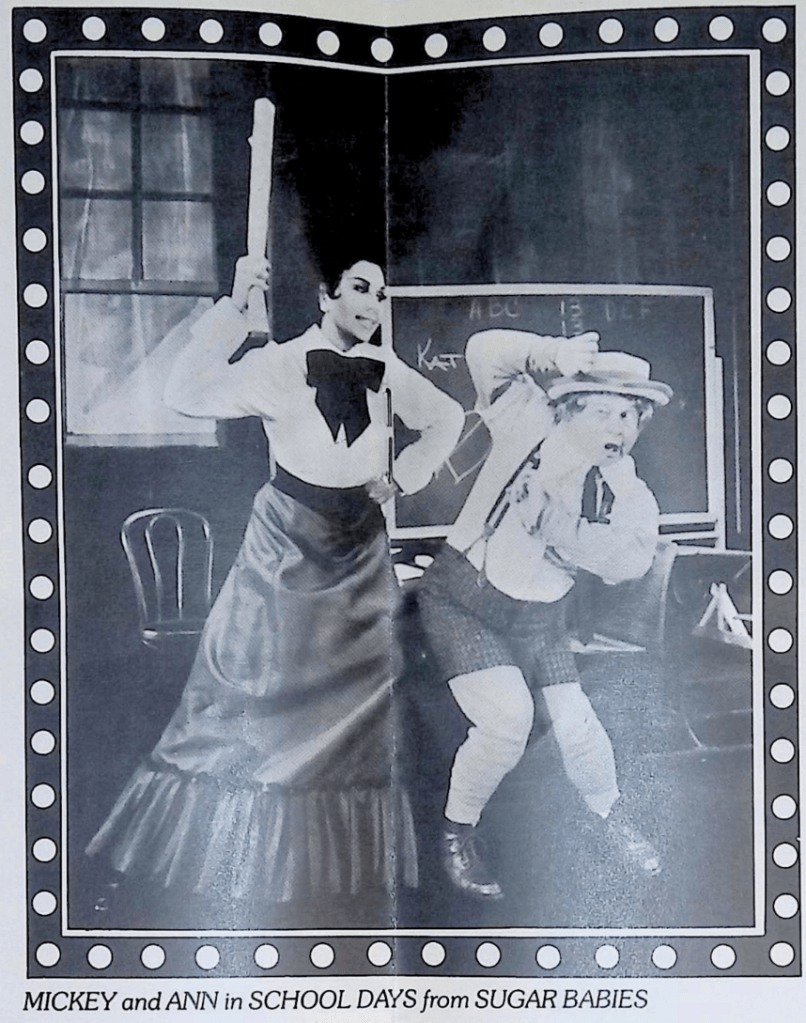
Typical sketches included:
- The Pitchman Routine — a fast-talking huckster bit performed by Sid Stone in the original Broadway run.
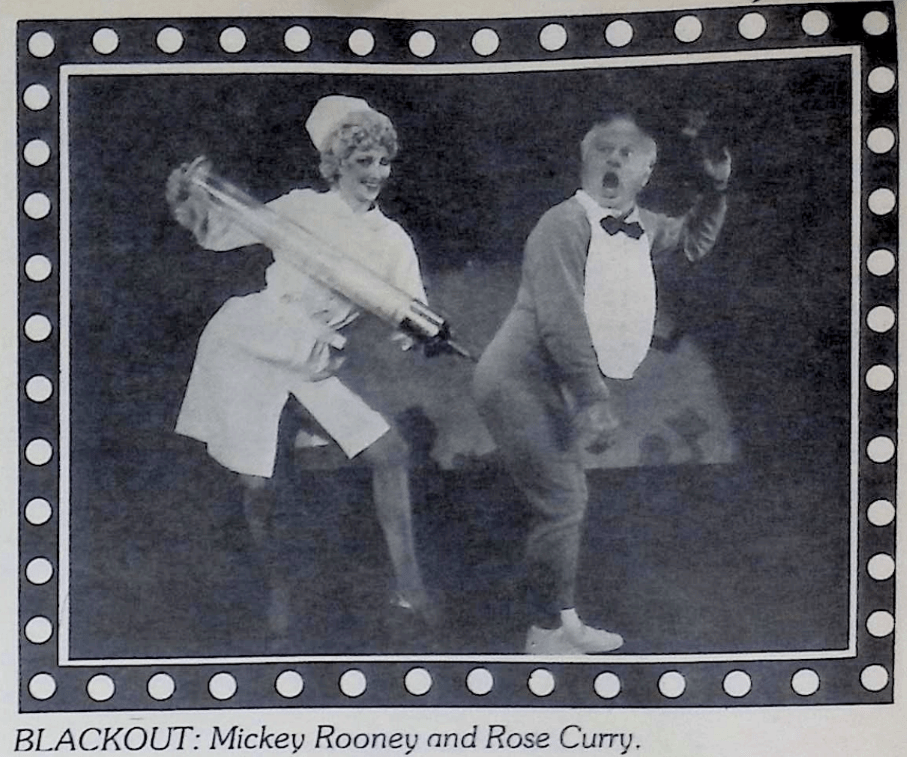
- Blackout Gags — quick, punchline-driven scenes that ended with a literal “blackout,” a staple of burlesque comedy.
- Cross-talk routines — two-comedian patter scenes full of wordplay, double entendres, and timing-based humor.
Songs in the musical:
- “A Good Old Burlesque Show”
- “Let Me Be Your Sugar Baby”
- “I Feel a Song Comin’ On”
- “Immigration Rose”
- “Don’t Blame Me”
- “Mr. Banjo Man”
- “Exactly Like You”
- “I Just Want To Be a Song and Dance Man”
- “You Can’t Blame Your Uncle Sammy”
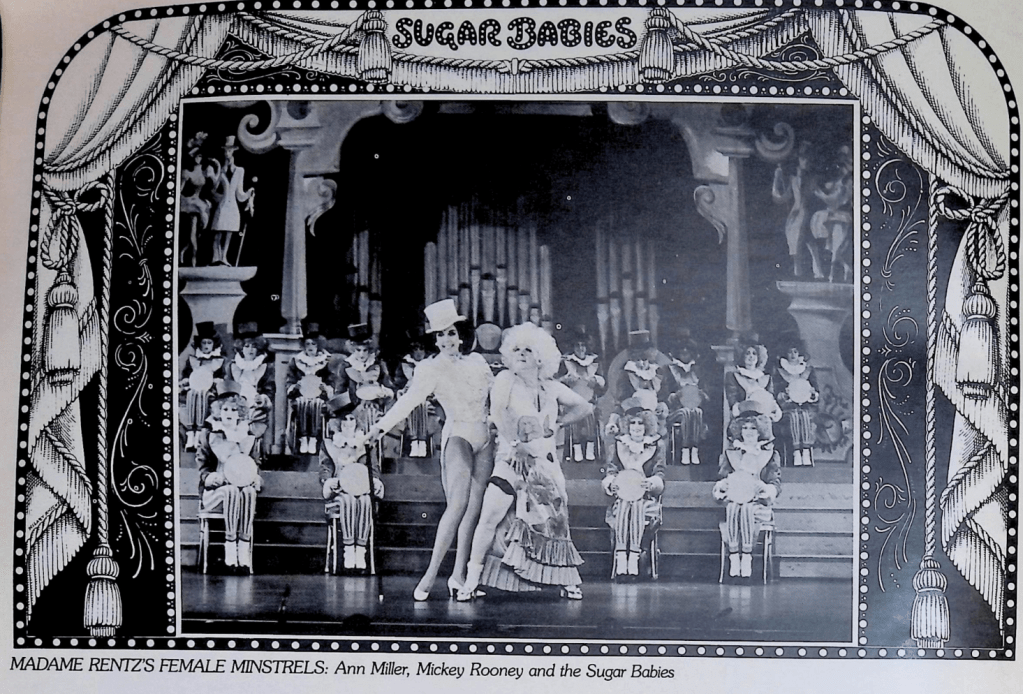
Variety Acts:
- A dog act
- A juggling act (performed by Michael Davis in the Broadway run)
- Other vaudeville-style variety acts
These acts gave the show texture and authenticity — a reminder that burlesque was always a mixed bill, not just comedy and chorus girls.
The Sugar Babies Chorus:
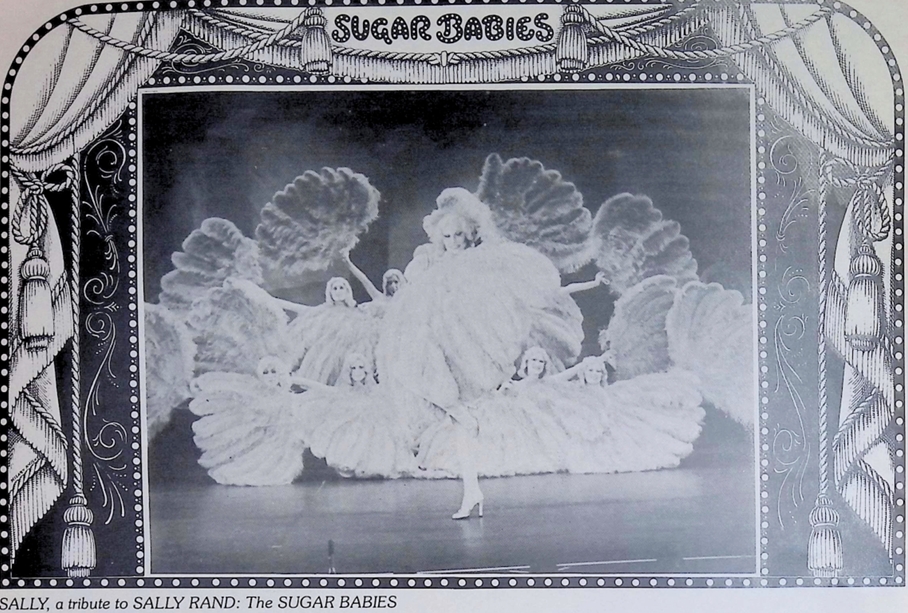
- Tap sequences
- Glamorous production numbers
- Comic interludes with the leads
Their presence anchored the revue visually, echoing the Ziegfeld Follies and Minsky’s burlesque houses.
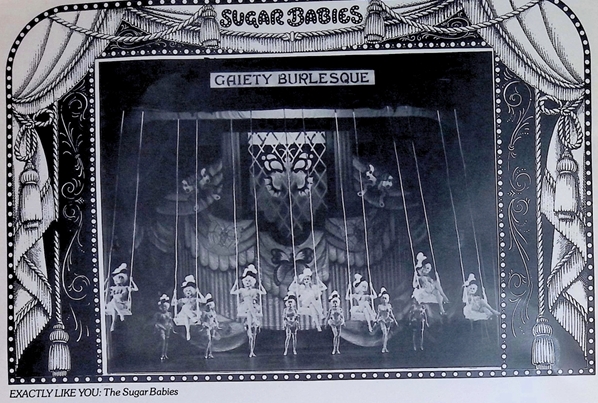
Star Turns for Miller & Rooney
Ann Miller had signature moments like:
- High-speed tap solos
- Glamorous production numbers
- Comic sketches that played off her Hollywood person
Mickey Rooney had signature moments like:
- Broad physical comedy
- Vaudeville-style patter
- Character bits drawn from classic burlesque routines
Their chemistry was a major part of the show’s appeal, along with their contrasting specialties.
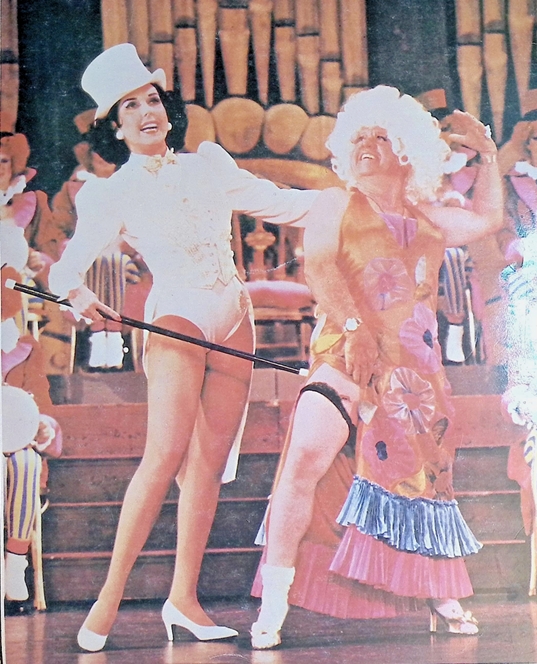
Ann Miller
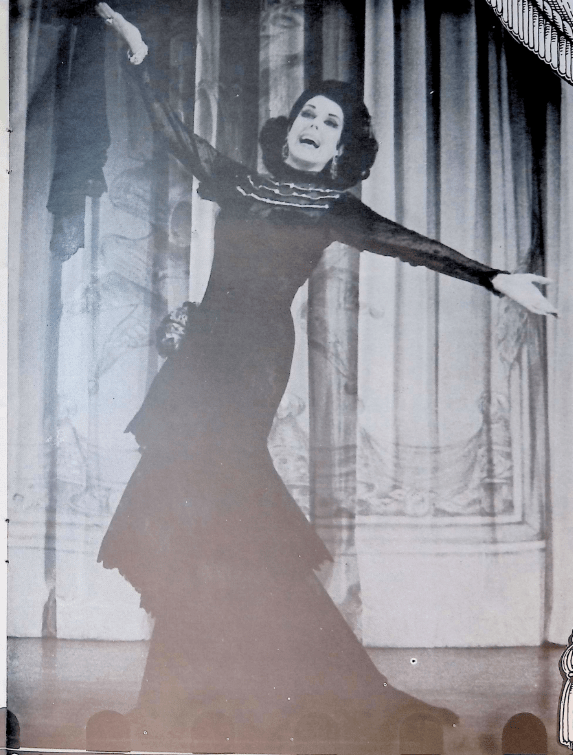
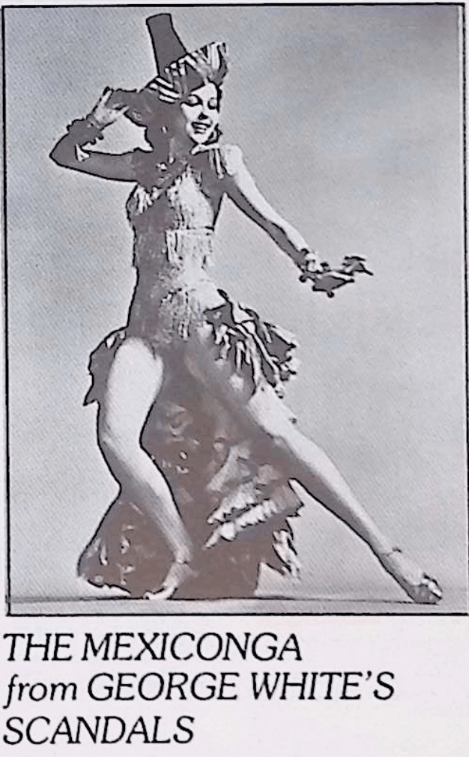
Ann Miller was in George White’s Scandals as Mexiconga. By the time Sugar Babies premiered in 1979, Ann Miller was already a Hollywood legend — but she’d never been given a true leading role. Known for her rapid-fire tap dancing and scene-stealing charisma in MGM musicals like Kiss Me Kate and On the Town, Miller had spent decades playing second leads: glamorous, witty, and technically dazzling, but never the star. Sugar Babies changed that.
Producer Harry Rigby cast Miller opposite Mickey Rooney, banking on their combined old-Hollywood appeal to anchor the show’s nostalgic burlesque revival. Miller’s performance was electric: she delivered high-kicks, tap solos, and comedic timing with the precision of a seasoned vaudevillian. Critics praised her stamina and style, and she earned a Tony Award nomination for Best Leading Actress in a Musical — her first major Broadway recognition.
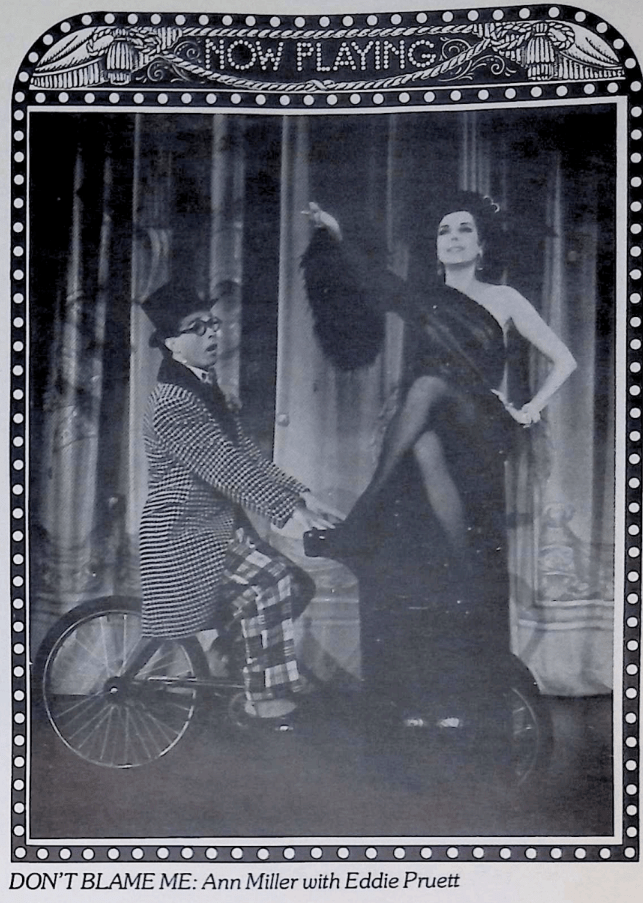
Miller later described Sugar Babies as “the most fun I ever had on stage,” and credited the show with revitalizing her career. She toured with the production for years, including a 1984 national tour and international engagements in Australia and London. Her costumes were famously extravagant, her energy unmatched, and her presence helped bridge the gap between classic musical theatre and burlesque’s bawdy, physical humor.
Mickey Rooney
When Sugar Babies opened on Broadway in 1979, it marked a major late‑career triumph for Mickey Rooney, whose roots in vaudeville and early Hollywood made him a natural fit for a burlesque‑style revue. Rooney had been performing since childhood, and his instinct for physical comedy, rapid‑fire patter, and audience rapport gave the show its beating heart. Britannica notes that his performance in Sugar Babies was a standout success, revitalizing his stage career and reminding audiences of his extraordinary versatility as a live entertainer. Paired with Ann Miller, Rooney brought a mischievous, high‑energy presence that anchored the show’s nostalgic tribute to classic burlesque.
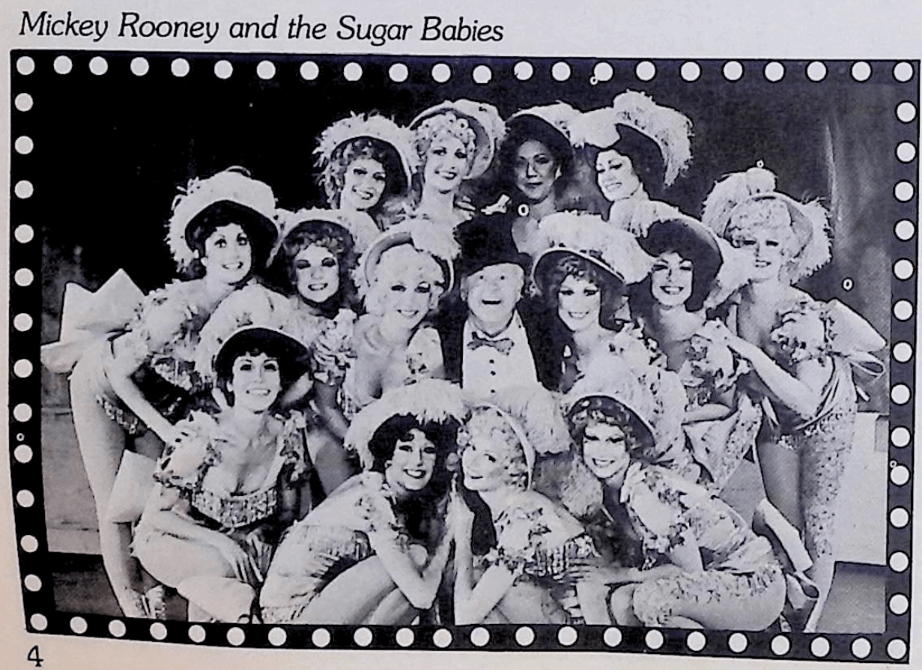
Rooney’s work in Sugar Babies also demonstrated how deeply he understood the mechanics of old‑school variety entertainment. The revue format allowed him to cycle through character bits, cross‑talk routines, slapstick, and musical comedy — all forms he had mastered decades earlier in vaudeville and MGM musicals. His star power helped propel the production through nearly three years on Broadway, followed by major touring productions that kept the show in the public eye. For many audiences, Rooney wasn’t just starring in a burlesque revival; he was embodying the living memory of an entire entertainment tradition.
Other Players
Sid Stone | The Candy Butcher
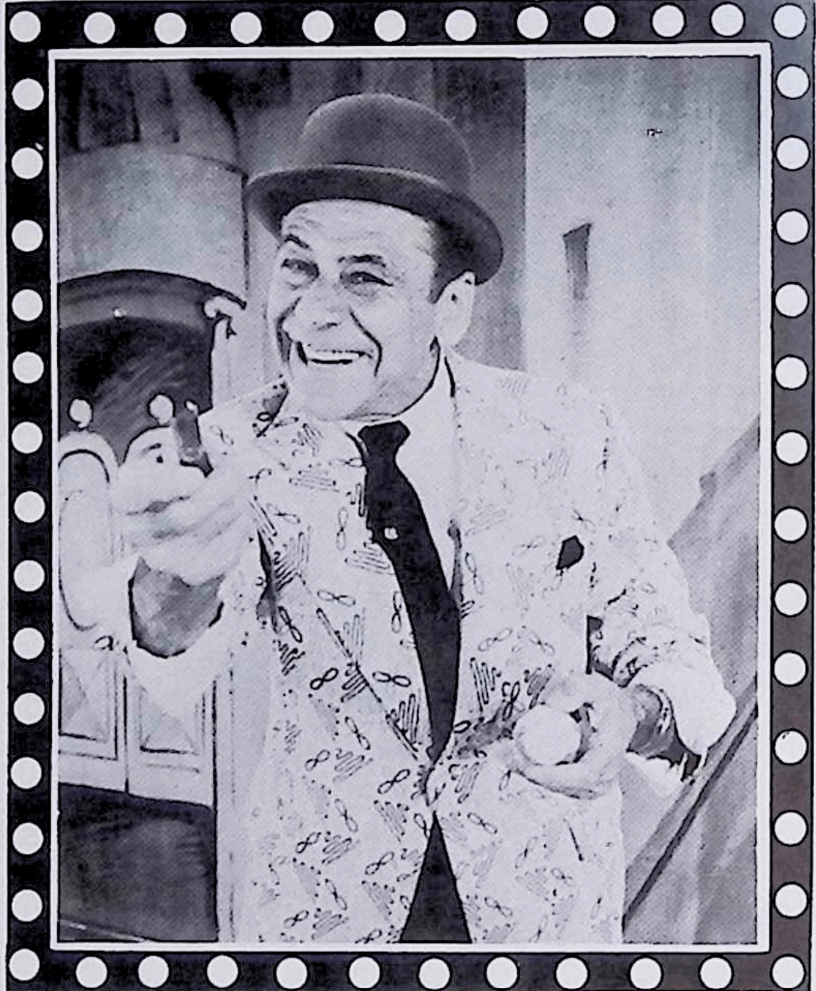
Sid Stone was known internationally for the pitchman character he created on “The Milton Berle Texaco Show” and had a varied career in burlesque and theater.
Gail Dahms | The Soubrette
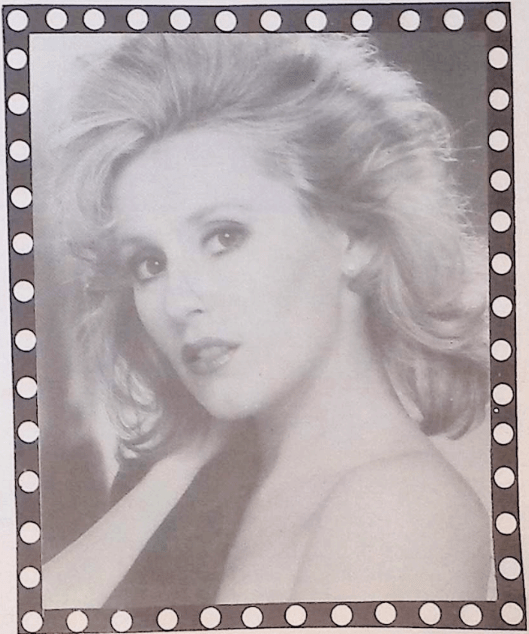
A Canadian to New York-Broadway performer and film star, Gail Dahms toured Canada as a one woman show after appearing in Broadway classics like Guys and Dolls. She was known to Canadian audiences as the “Turtles Chocolate Girl” from a commercial which had been running for 6 years (published in 1984).
Sugar Babies endures because it did more than revive burlesque — it reminded audiences that this art form has always been a living conversation between eras, artists, and communities. Ralph G. Allen’s archival devotion, Harry Rigby’s theatrical instinct, Ann Miller’s glamour, and Mickey Rooney’s vaudeville grit combined to create a production that honored the past while nudging it back into the spotlight.
Today, as neo‑burlesque continues to evolve with new bodies, new politics, and new creative languages, Sugar Babies stands as a bridge — a shimmer of continuity in an art form that never stops transforming.
Thank you for enjoying this exclusive from Iona Fortune! Thank you for supporting. Happy New Year!
Sources
Websites:
- Sugar Babies (musical) – Wikipedia
- Ralph G. Allen | Concord Theatricals
- Sugar Babies : “The Burlesque Musical” by Ralph G. Allen and Harry Rigby
- Sugar Babies | Muppet Wiki | Fandom
- Sugar Babies | musical [1979] | Britannica
Publications:
- TN_1987_03_085.pdf
- Images courtesy of Iona’s personal copy of the Broadway souvenir book (1984)

Leave a comment