

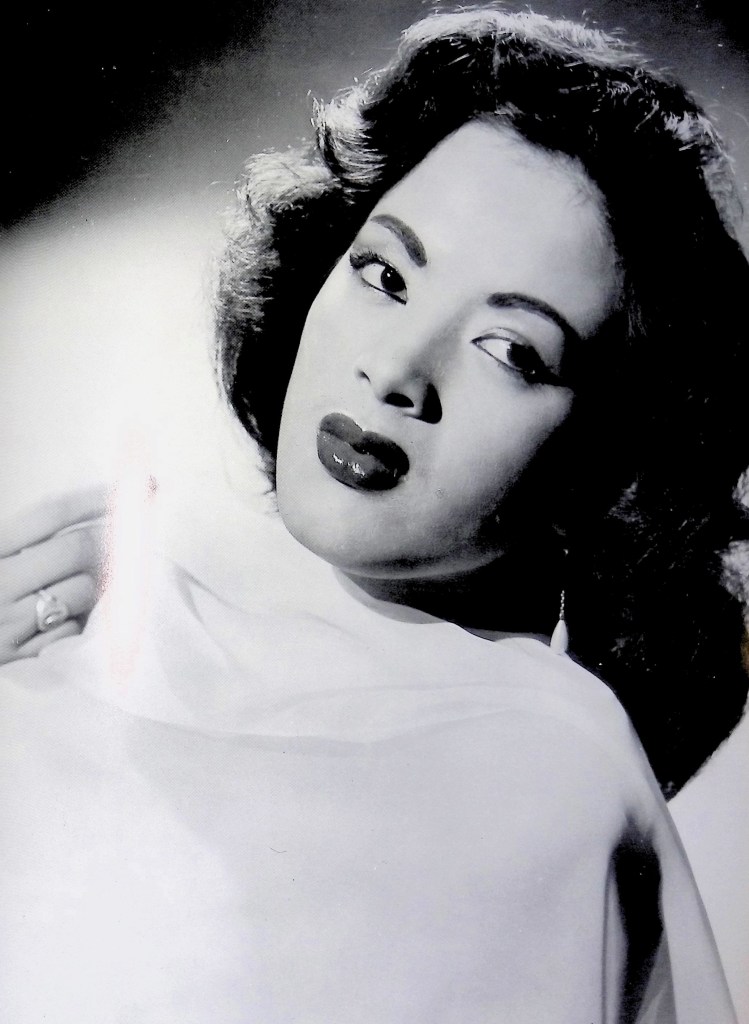
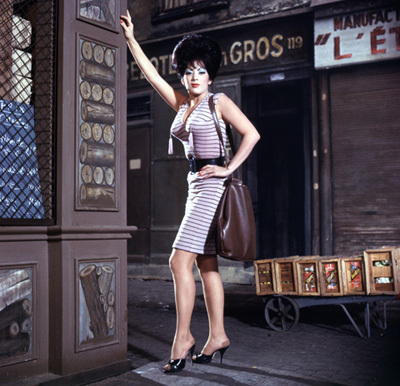
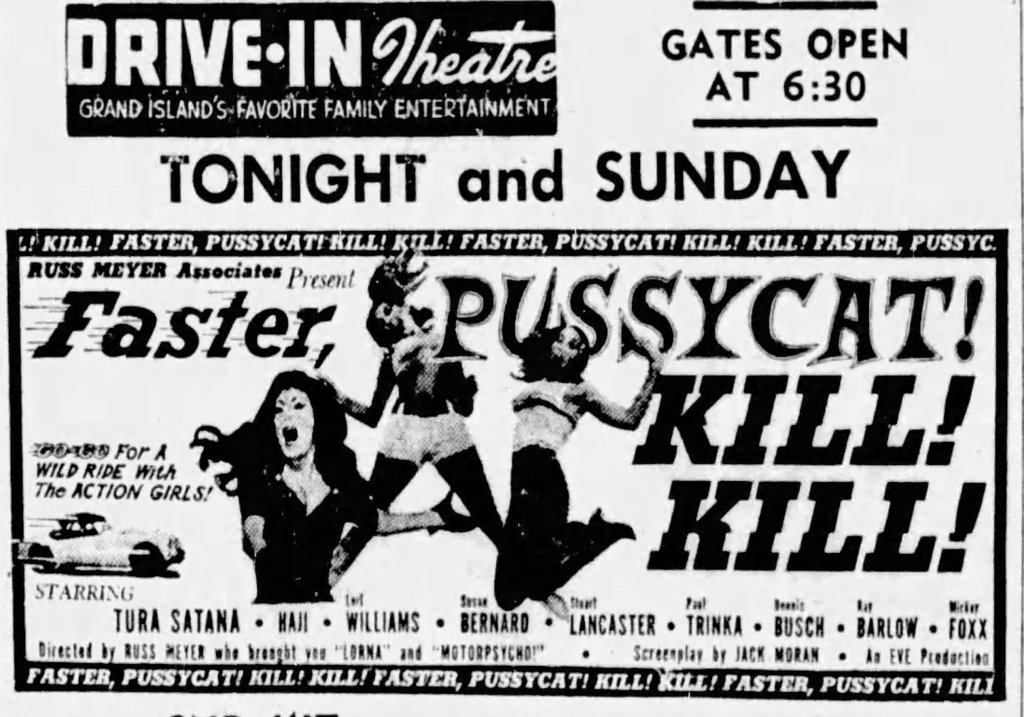
Tura Satana was a Japanese-American actress, exotic dancer, and cult film icon, best known for her fierce portrayal of Varla in Faster, Pussycat! Kill! Kill! (1965). Her life was marked by resilience, rebellion, and an unapologetic embrace of power.
Early Life & Struggles
Born Tura Luna Pascual Yamaguchi in Hokkaidō, Japan, in 1938, Satana had a tumultuous childhood. After World War II, her family was sent to the Manzanar internment camp in California before settling in Chicago. As a young girl, she endured severe bullying and discrimination due to her mixed heritage—her father was of Japanese and Filipino descent, and her mother was Cheyenne and Scots-Irish.
One of the most defining moments of her early life was a traumatic assault at the age of nine. According to Satana, she later trained in martial arts and systematically tracked down her attackers over the years, exacting revenge. This experience shaped her tough, no-nonsense persona.
Rise to Fame
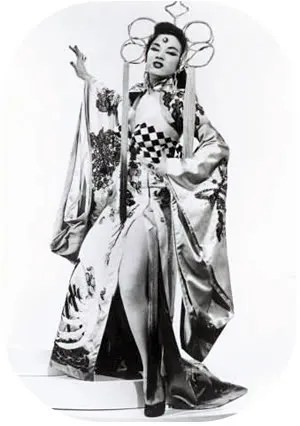
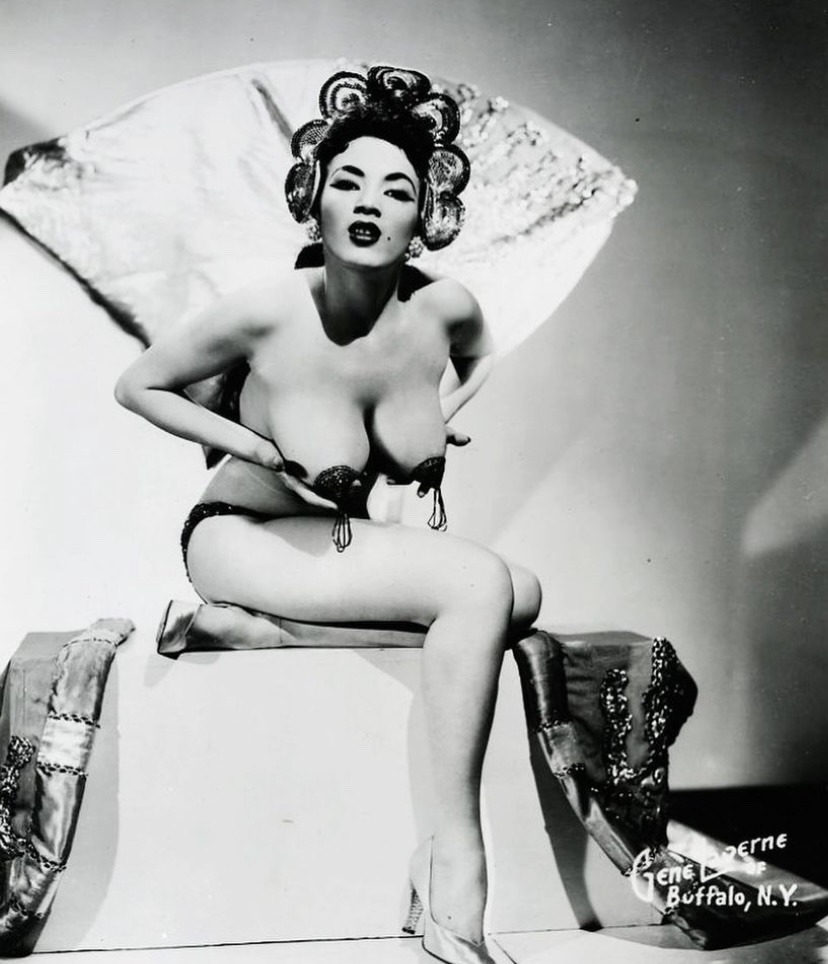
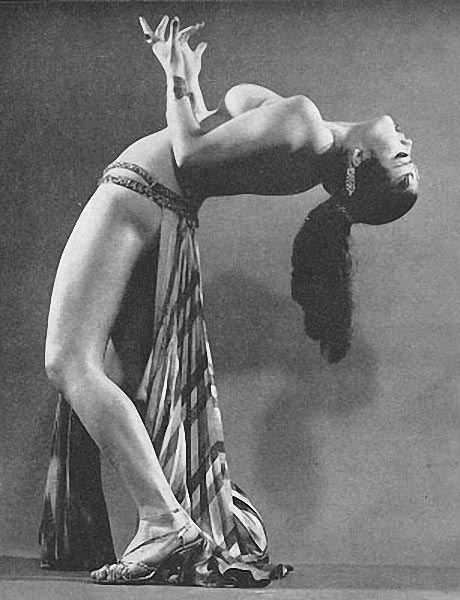
Satana’s rebellious spirit led her into the world of burlesque at a young age. By 15, she was performing in clubs under a fake ID, quickly gaining a reputation for her commanding stage presence. She became a sought-after exotic dancer, working in venues across the country and even catching the attention of Elvis Presley, who reportedly proposed to her (she declined).
Cult Film Star
Her transition into film came in the 1960s, where she starred in cult classics like The Astro-Zombies (1968) and The Doll Squad (1973). However, it was her role in Faster, Pussycat! Kill! Kill! that cemented her legacy. As Varla, she embodied a powerful, aggressive female antihero—something rarely seen in cinema at the time. Her performance influenced later depictions of strong women in film, inspiring characters in Kill Bill and Xena: Warrior Princess.


Legacy & Later Years
Satana’s impact extended beyond film. She was a trailblazer for Asian-American performers, defying stereotypes and embracing her identity with pride. In her later years, she worked as a nurse and continued to advocate for women’s empowerment. She passed away in 2011 at the age of 72. Her legacy lives on in pop culture, with her bold, unapologetic presence continuing to inspire filmmakers, performers, and fans of cult cinema.
Tura Satana & Burlesque
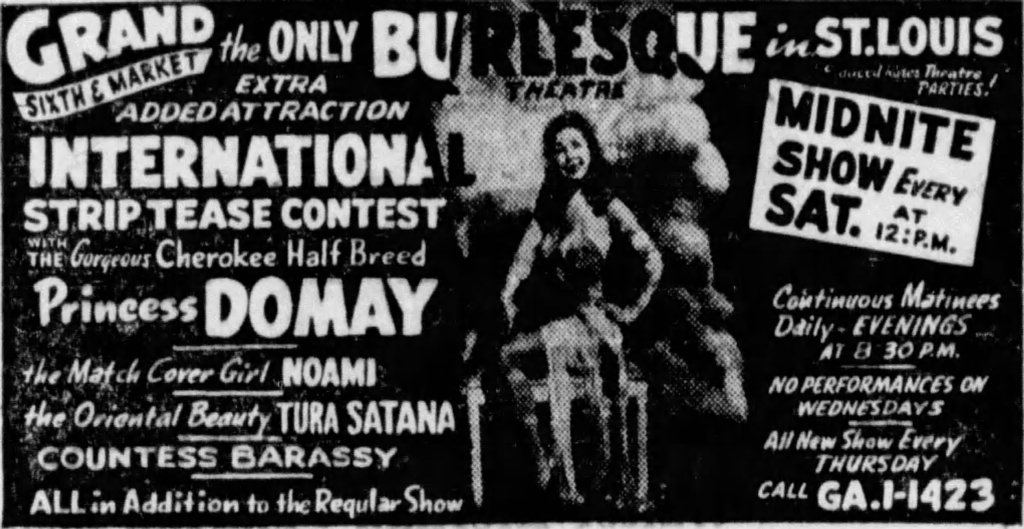
Tura Satana’s influence on burlesque and go-go dancing is fascinating—she embodied a fierce, unapologetic energy that helped redefine how women commanded the stage. Before becoming a cult film icon, she was a highly successful exotic dancer, known for her powerful stage presence and innovative performances.

Satana got her start in burlesque as a teenager, performing under a fake ID in clubs across Chicago. Unlike many performers who leaned into classic, seductive elegance, she brought a bold, aggressive energy to her routines, using martial arts-inspired movements and commanding the audience’s attention. Her performances exuded confidence, reinforcing the idea that female performers could be dominant figures rather than passive objects of desire.
In 1956, Tura was billed as “Miss Japan Beautiful” as she traveled all over the country performing. She was known for her extravagant costumes, incorporating Asian-inspired elements while refusing to let herself be boxed into stereotypical “exotic” roles. She embraced her heritage, but on her own terms, using costuming and movement to craft a persona that was entirely her own.


Impact on Go-Go Dancing
While burlesque relied on slow, sensual movements, go-go dancing emerged in the 1960s as a high-energy, electrifying form of entertainment. Satana’s performances had a similar kinetic quality—she moved with controlled aggression, mixing traditional burlesque with dynamic movements that would later be hallmarks of go-go dancing.
Her ability to own the stage, command an audience, and incorporate unique choreography made her an influential figure in the shift from traditional burlesque to more energetic, rebellious performances. Many go-go dancers of the late ’60s and early ’70s mirrored Satana’s dynamic movements, emphasizing power and control rather than passive sensuality.
Defying Stereotypes & Shaping the Industry
Asian-American performers often faced restrictive casting and expectations in entertainment. Satana, like figures such as Coby Yee and Barbara Yung, broke those barriers—crafting identities that rejected tokenization and leaned into self-defined power. Her influence extended far beyond dance; her Varla persona in Faster, Pussycat! Kill! Kill! became the prototype for fierce, independent, powerful women in entertainment.
Sources
- Wikipedia. “Tura Satana.” https://en.wikipedia.org/wiki/Tura_Satana
- ArtsBeat. New York Times Blog. “Tura Satana, Cult Actress, Dies.” Dave Itzkoff. https://archive.nytimes.com/artsbeat.blogs.nytimes.com/2011/02/05/tura-satana-cult-actress-is-dead/


Leave a comment