

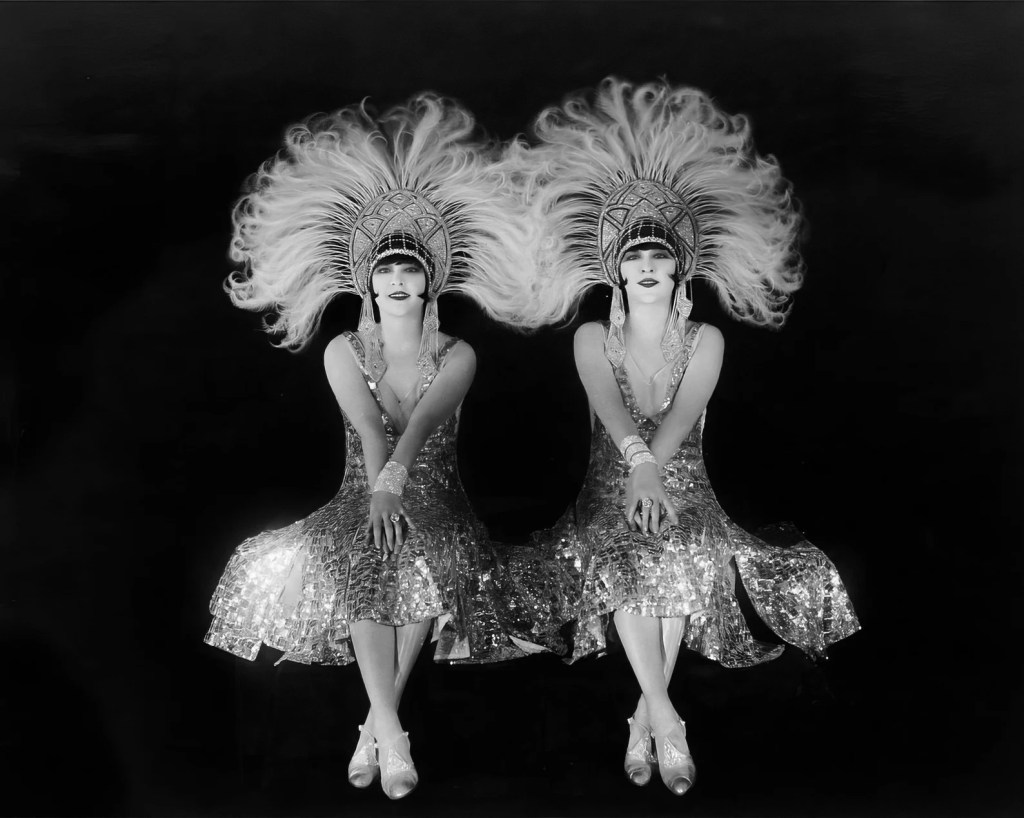
In the glittering world of early 20th-century entertainment, few performers embodied the extravagance and allure of the era quite like Rosie and Jenny Dolly. The identical twin dancers captivated audiences from vaudeville to Broadway, leaving a legacy of elegance, ambition, and—ultimately—tragedy.

From Hungary to the Bright Lights
Born in Hungary in 1892 as Rózsika and Janka Deutsch, the sisters immigrated to America in 1905, bringing with them an innate sense of style and showmanship.

Dolly Sisters & Burlesque

The Dolly Sisters were primarily known for their work in vaudeville, cabaret, and musical theater, but their performances often overlapped with burlesque traditions. Their act emphasized glamour, synchronized dancing, and elaborate costuming, which were key elements of burlesque entertainment during the early 20th century.
While they weren’t strictly burlesque performers, they shared the stage with burlesque stars and incorporated elements of sensuality and spectacle into their routines. Their Greenwich Village Follies performances in the 1920s leaned into the risqué aesthetics of burlesque, featuring exotic costuming, dramatic lighting, and suggestive choreography.
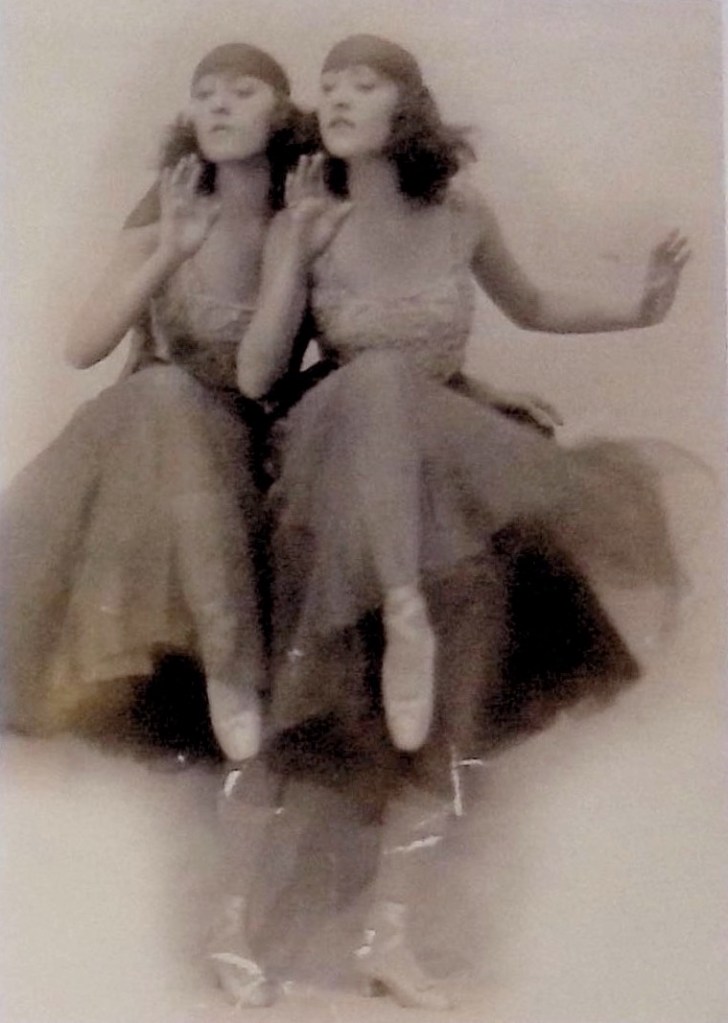
Additionally, their celebrity status and lavish lifestyles mirrored the mystique of burlesque queens like Mistinguett and Gaby Deslys, who blended theatrical performance with high society intrigue. Their influence helped shape the visual and stylistic trends that later became staples of burlesque revues.
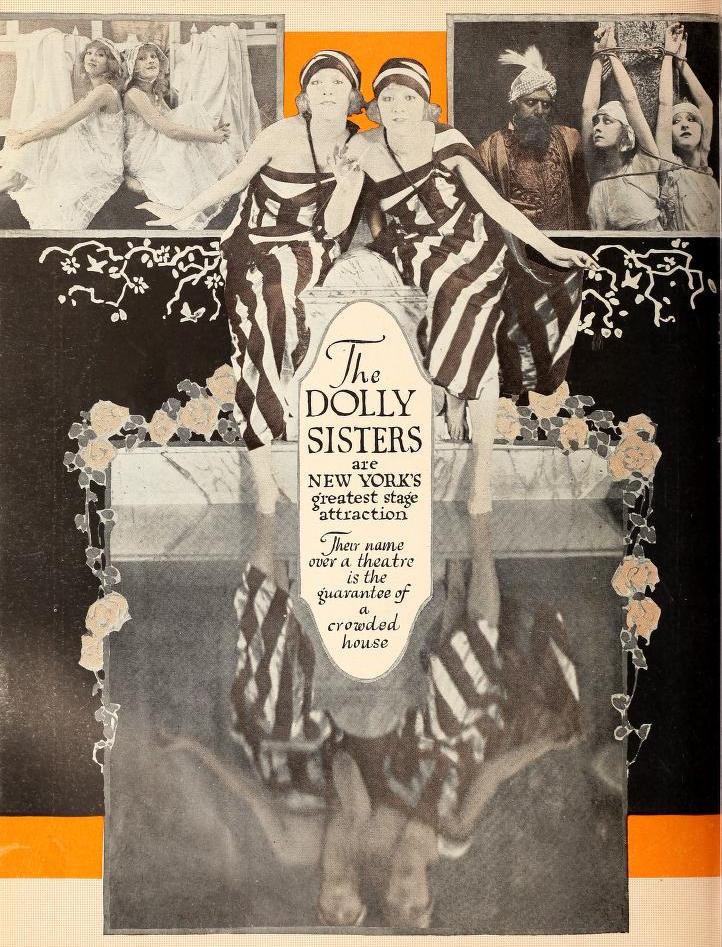
Between 1913 and 1916, the Dolly Sisters pursued separate careers. Jenny married fellow dancer Harry Fox in 1912, known for popularizing the fox trot, and the two performed together in vaudeville—though their act failed to match the success of the sister duo. Rosie, meanwhile, wed composer Jean Schwartz (formerly Jeannot Schwarz) in 1913. Following their marriage, Schwartz ended his long-standing collaboration with lyricist William Jerome, possibly influenced by his new relationship. Rosie and Schwartz shared a common background as Hungarian immigrants who had found success in America, with Schwartz already renowned for his 1910 hit “Chinatown, My Chinatown.”
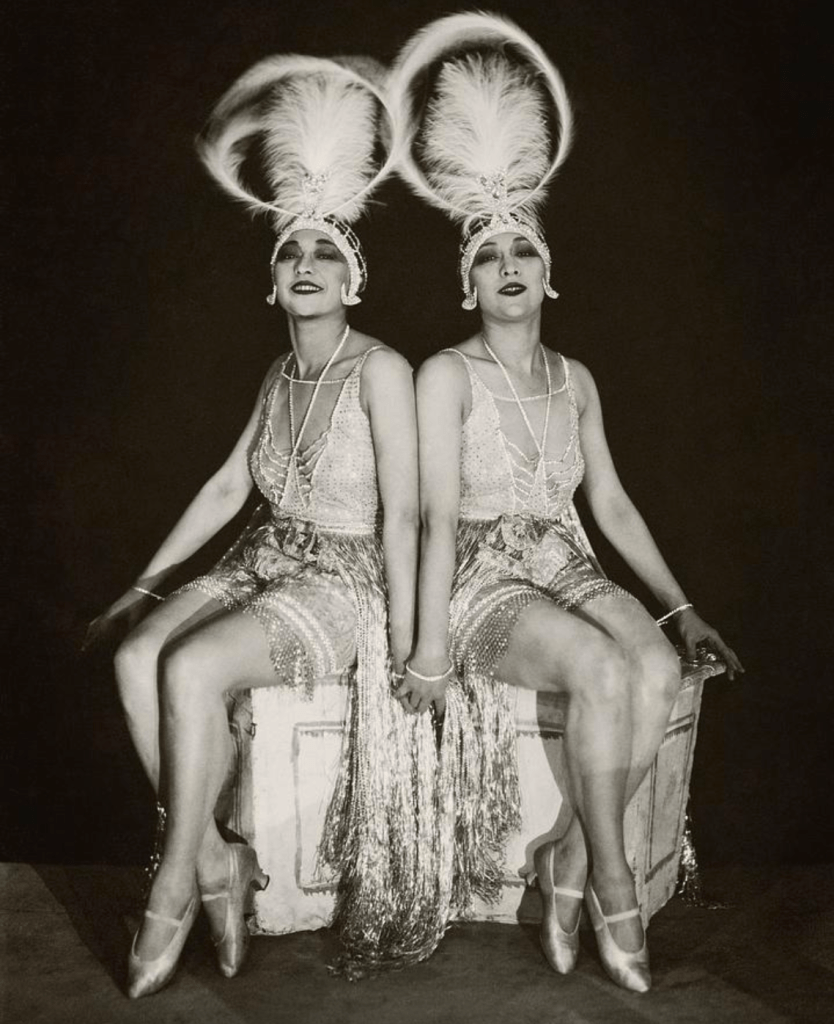
As their solo careers faltered, the sisters reunited under Florenz Ziegfeld, the impresario who had first propelled them to stardom. Their performance in the Ziegfeld Midnight Frolic of 1916 restored their prestige, and in 1918, they starred in The Million Dollar Dollies, a film that alluded to the immense wealth they had accumulated through their marriages and affairs.

The Height of Fame and Extravagance

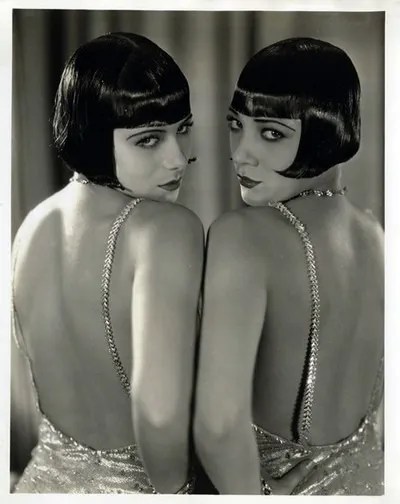
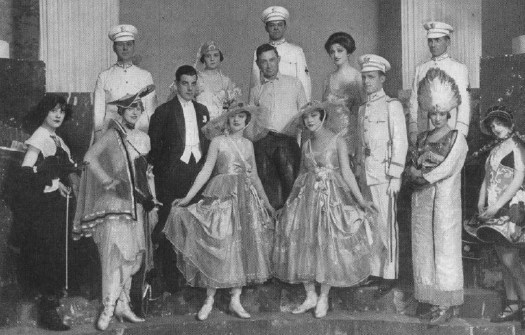
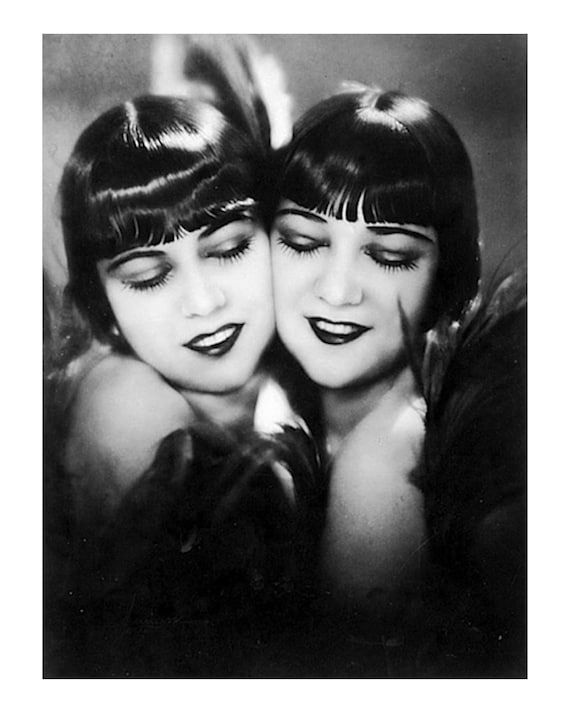

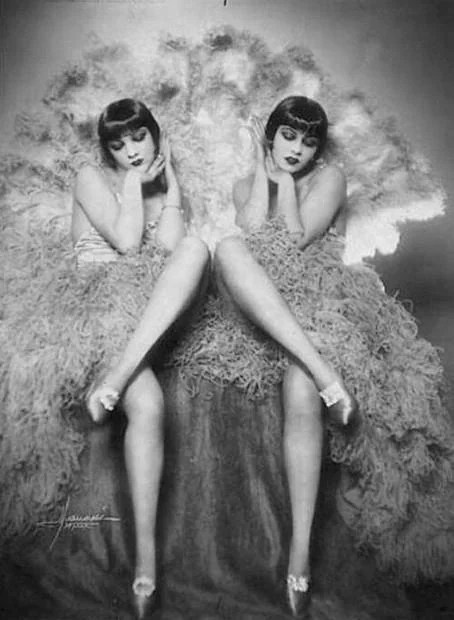
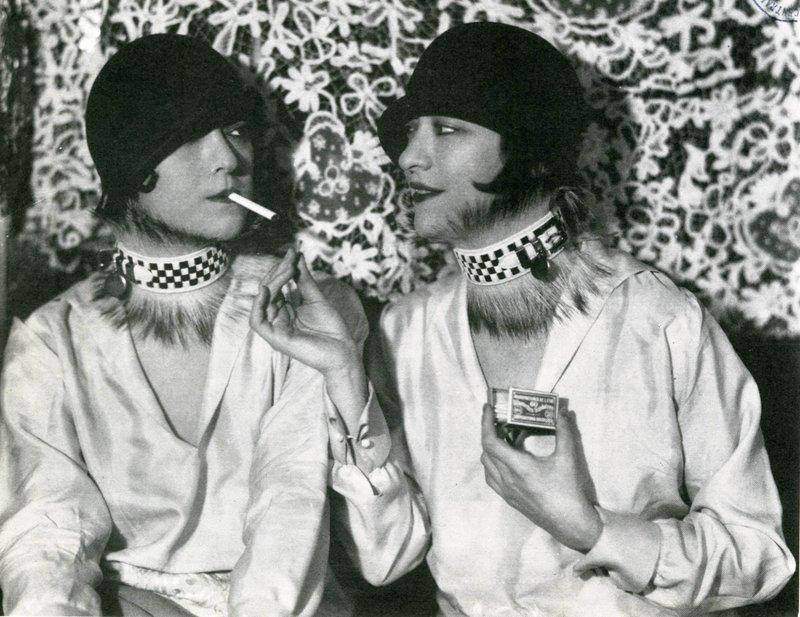
The Dolly Sisters weren’t just performers—they were a living embodiment of glamour. Adored by high society, they cultivated an opulent lifestyle, reportedly amassing enormous wealth through admirers eager to shower them with gifts. They were known for their elaborate costumes, diamond-encrusted accessories, and lavish parties.
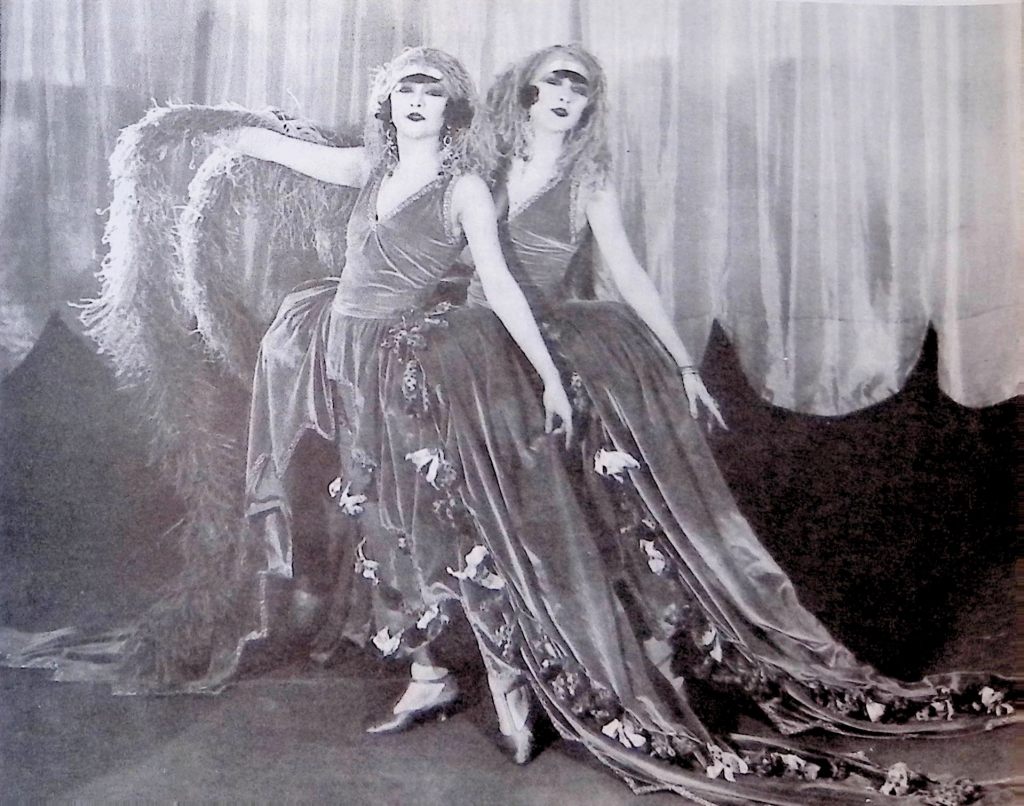

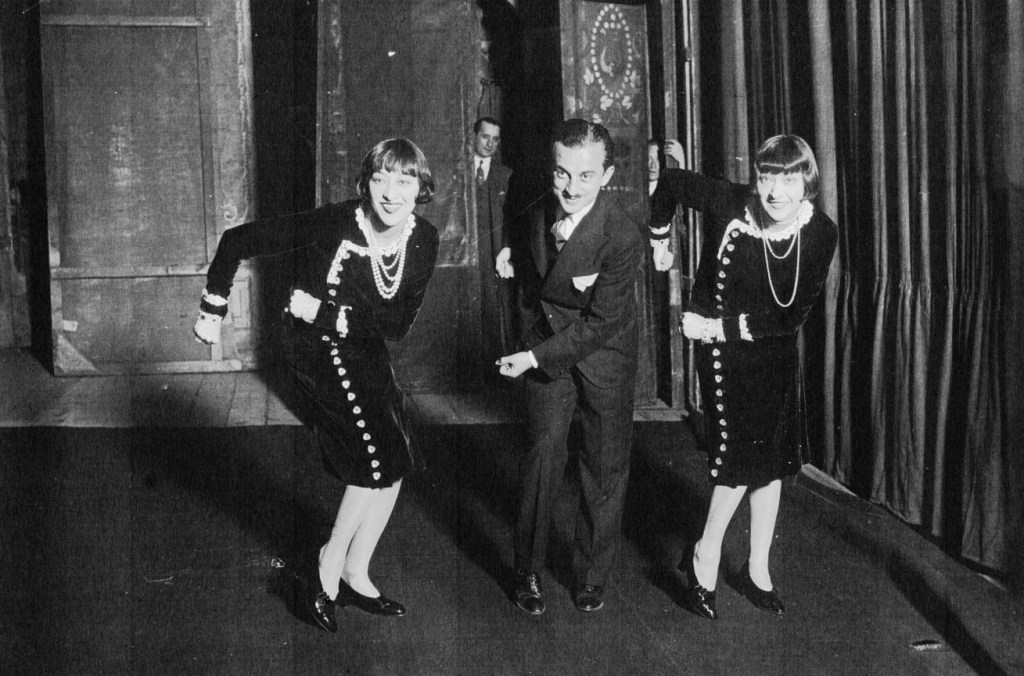
Even beyond the stage, their influence stretched into fashion and beauty trends. Their signature twin aesthetic—matching outfits, dramatic makeup, and intricate choreography—set them apart from other performers. They weren’t just dancers; they were style icons.
Love, Loss, and a Tragic End
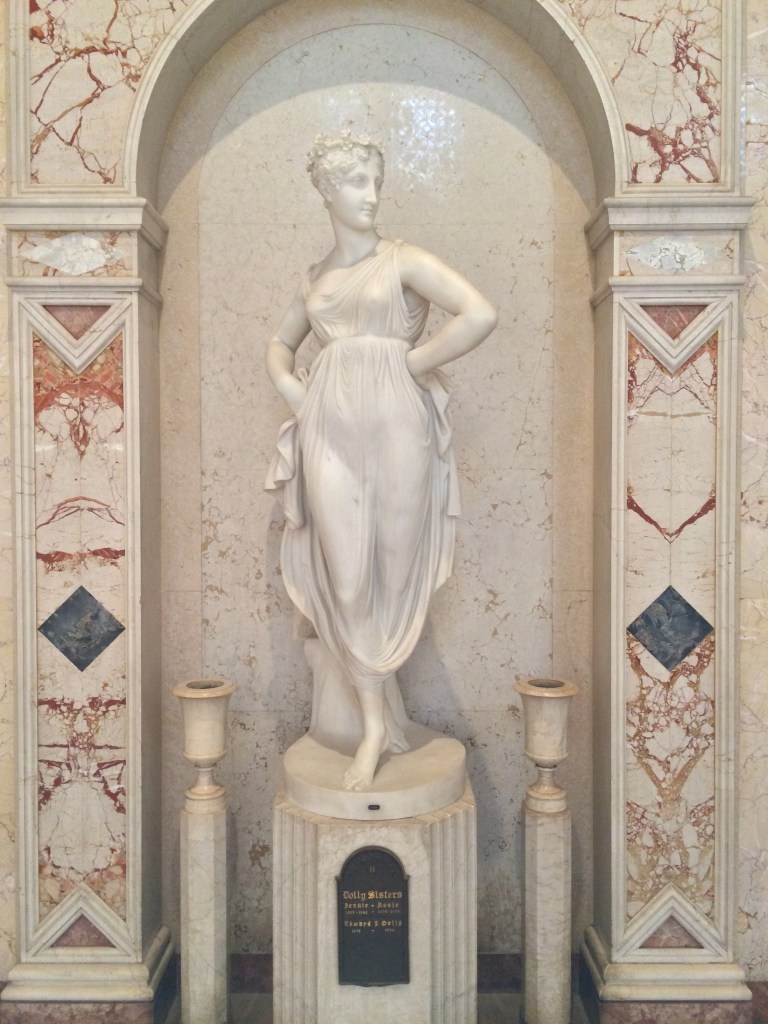
Despite their success, fortune did not favor them forever. Jenny suffered a devastating car accident in 1926, leading to financial and emotional struggles that cast a shadow over the sisters’ once-glorious careers. In 1941, she tragically died by suicide—a heartbreaking end to a life that had once been filled with splendor. Rosie lived until 1970, but the magic of their days in the spotlight had long faded.
Remembering the Dolly Sisters
The story of the Dolly Sisters is a fascinating glimpse into the dazzling yet fleeting world of early 20th-century entertainment. They embodied the spirit of excess, ambition, and beauty in a way few performers could. While their tale is tinged with heartbreak, their legacy remains woven into the fabric of vaudeville history.
Their influence still lingers in conversations about stage glamour and entertainment’s golden age. Whether through vintage photographs, whispered legends of their lavish parties, or the elegance they brought to the stage, the Dolly Sisters continue to captivate those who stumble upon their story.
Sources:
- https://sites.arizona.edu/vaudeville/the-dolly-sisters-vaudevilles-most-famous-female-duo-by-david-soren/
- https://en.wikipedia.org/wiki/Dolly_Sisters
- https://silenceisplatinum.blogspot.com/2010/05/dolly-sisters.html
- https://www.normandythenandnow.com/lifes-a-party-with-the-dolly-sisters-in-deauville/


Leave a reply to Sister Act – Let’s Burlesque Cancel reply